
March Madness Ratings Surge Reinforces NCAA Tournament’s Rising Media Power
The 2026 NCAA Tournament is delivering another ratings win, with viewership up across the opening weekend and the First Four, strengthening March Madness’ position as one of the most valuable live sports properties in media. The early audience gains underscore how premium live events continue to command attention, ad dollars, and negotiating leverage in a fragmented viewing environment.
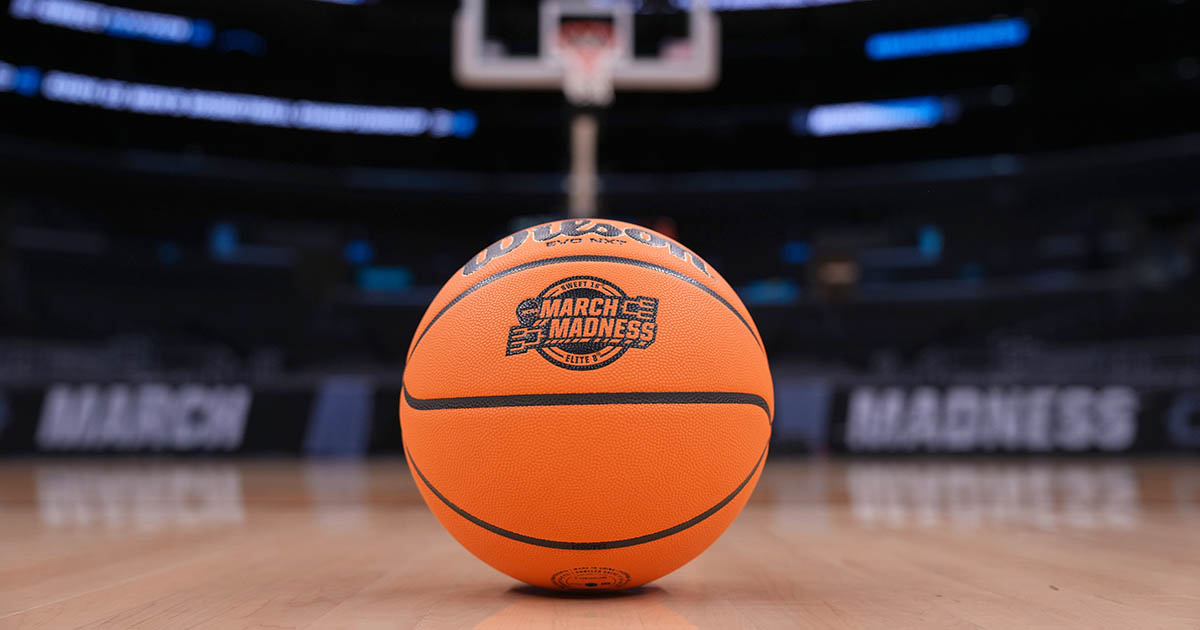
The 2026 NCAA Tournament is opening with strong television momentum, and the early numbers point to a property that remains a heavyweight in the sports media economy. Viewership climbed across the first weekend, reinforcing March Madness as one of the few events capable of delivering broad, multi-network reach at scale.
CBS Sports and TNT Sports said TBS, CBS, TNT and truTV averaged 10.1 million viewers through the opening weekend, a 7% increase from last year. That performance built on a strong First Four in Dayton and extended a season-long trend of growth for men’s college basketball on television.
The Round of 64 averaged 9.5 million viewers across Thursday and Friday, up 9% year over year. The Round of 32 then averaged 11.0 million viewers on Saturday and Sunday, a 7% increase and the most-watched second round since 1993. For broadcasters, that kind of sustained audience depth is exactly what keeps live sports at the center of media strategy.
Sunday’s early primetime window delivered the clearest evidence of the tournament’s commercial strength. Games featuring St. John’s vs. Kansas, Iowa vs. Florida and Tennessee vs. Virginia averaged a combined 19.7 million viewers, marking the most-watched first-weekend window in NCAA Tournament history and a 29% jump from the same period a year ago.
From a business perspective, those numbers are more than a ratings milestone. In a fragmented media market, live sports remain one of the few content categories able to reliably gather mass audiences across broadcast and cable, giving rights holders and networks stronger leverage with advertisers and future media partners.
The tournament’s early success also extends to the First Four, which continues to evolve from a niche opening round into a meaningful television asset. The four games in Dayton averaged 7.5 million viewers, led by Miami (OH) vs. SMU at 2.8 million. That matchup was up 17% from the previous high-water mark for a First Four game and would have ranked among the top 10 regular-season men’s college basketball games this season, according to On3 data.
Additional First Four viewership included Texas vs. NC State at 1.8 million, Prairie View A&M vs. Lehigh at 1.514 million and UMBC vs. Howard at 1.352 million. The 2026 First Four also outperformed 2025, which had set a record at 7.4 million viewers, though that comparison was measured before Nielsen’s Big Data + Panel metric was introduced.
The broader trend has been building throughout the season. Men’s college basketball posted a 10% increase in household viewership during the regular season, while FOX reported a 38% increase in its strongest season to date. CBS said its audience grew 10%, and ESPN reported a 25% year-over-year increase, powered by its best Big Monday season on record.
With Nielsen now using its Big Data + Panel measurement system, the 2026 tournament’s audience gains may carry even greater significance than the raw year-over-year comparisons suggest. Even before the full game-by-game data is complete, the early returns make one thing clear: March Madness remains a highly scalable, commercially resilient media property with enduring value in an increasingly competitive rights market.
Why It Matters
The 2026 NCAA Tournament is delivering another ratings win, with viewership up across the opening weekend and the First Four, strengthening March Madness’ position as one of the most valuable live sports properties in media. The early audience gains underscore how premium live events continue to command attention, ad dollars, and negotiating leverage in a fragmented viewing environment.


