Australia’s Ticketing Market Gets a More Powerful Revenue Engine
Australia’s live events sector is adopting a more flexible, API-first ticketing model as organizers seek greater control over inventory, fraud prevention, and fan engagement. The shift reflects a broader industry move away from static ticketing systems toward infrastructure that can drive revenue and support more customized business operations.
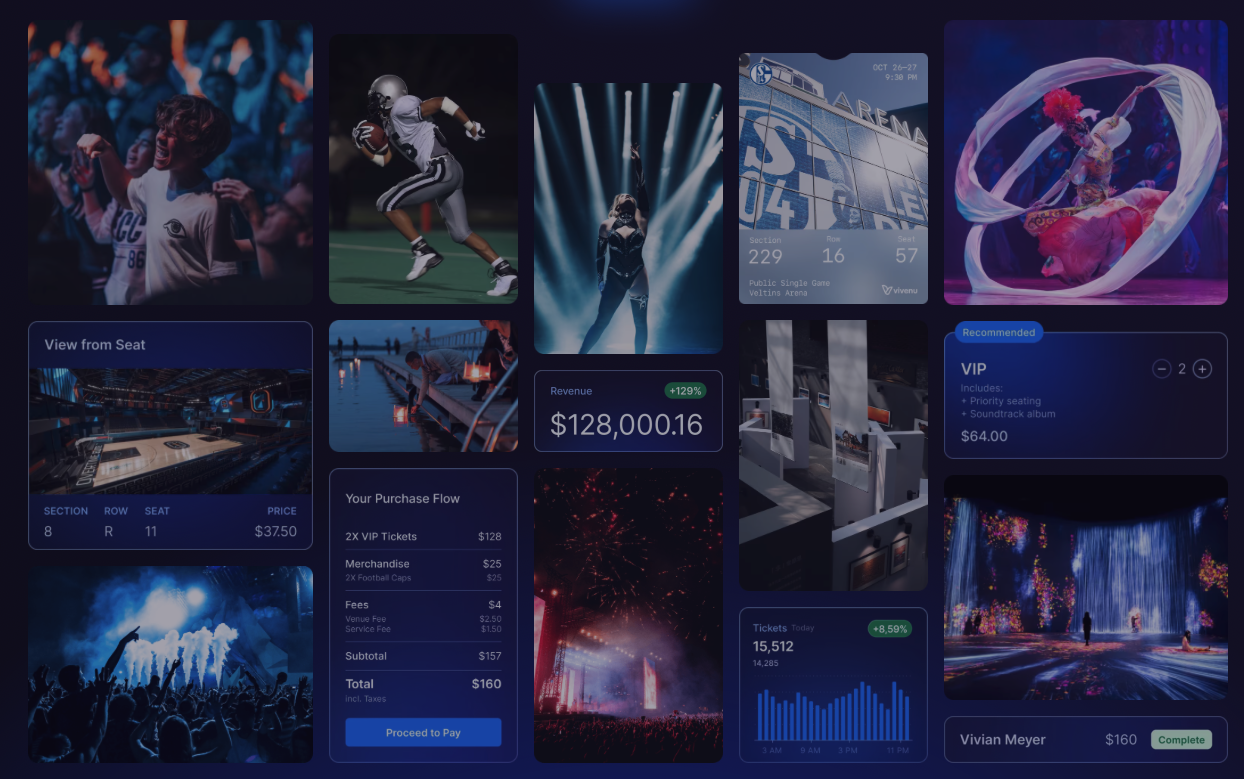
Australia’s live events market is gaining a more sophisticated ticketing option as a flexible, API-first platform expands through a new partnership designed for global growth. The move signals a broader shift in the industry: ticketing is no longer just a checkout function, but a strategic business layer built to increase revenue, protect inventory, and shape the entire fan journey.
For sports teams, venues, and event operators, the value proposition is control. Modern ticketing systems are now expected to do far more than issue admissions. They must support customized workflows, integrate with existing business systems, and create a smoother path from purchase to attendance while preserving room for brand-specific fan experiences.
The stakes are already visible in large-scale event activations. A recent multi-show residency in Puerto Rico required a ticketing setup capable of handling more than 400,000 tickets, major demand spikes, and significant bot activity. The first nine events were reserved exclusively for local residents, adding another layer of operational and security complexity that demanded precision at scale.
This is where API-first architecture becomes a competitive advantage. By connecting seamlessly with existing systems, it allows organizers to build around their own business rules instead of being constrained by a rigid platform. For sports properties, venues, and promoters, that flexibility can improve data quality, strengthen fraud protection, and streamline operations across the full ticket lifecycle.
The consumer side also reflects a meaningful business shift. Self-service tools now allow ticket buyers to download, transfer, exchange, upgrade, return, or resell tickets through a streamlined interface. That reduces support burden for operators while giving fans a more convenient and controlled experience—an increasingly important expectation in a market where digital friction can directly affect revenue and retention.
As sports and entertainment organizations look to maximize yield and deepen fan relationships, ticketing platforms are becoming strategic infrastructure rather than back-end utilities. The latest expansion into Australia highlights how the sector is moving toward systems that are not only more flexible, but also more disruptive to traditional ticketing models.
For more information, visit stws.co/conference-australia
Why It Matters
Australia’s live events sector is adopting a more flexible, API-first ticketing model as organizers seek greater control over inventory, fraud prevention, and fan engagement. The shift reflects a broader industry move away from static ticketing systems toward infrastructure that can drive revenue and support more customized business operations.
Content Package
Ticketing just got smarter in Australia 🇦🇺⚡️ API-first platforms turn checkout into a revenue engine—protecting inventory, boosting fraud defense, and giving fans self-service transfers/exchanges. Fans expect seamless… operators need control. #SportsTech #Ticketing #APIFirst #LiveEvents #FanExperience #RevenueManagement #FraudPrevention #SportsBusiness
#SportsTech#Ticketing#APIFirst
Australia’s live events ticketing market is evolving fast. With API-first platforms expanding via new partnerships, ticketing is shifting from a basic checkout tool to strategic infrastructure—built to protect inventory, improve data and fraud controls, and enhance the fan journey. Learn more: https://stws.co/conference-australia/
#SportsTech#Ticketing#APIFirst
Australia’s live events market is getting an API-first ticketing playbook—built for tighter control, fraud protection, and smoother fan journeys. Ticketing’s no longer just a transaction layer. #ticketing
#Ticketing#SportsTech#LiveEvents
Australia’s live events market is getting sharper on ticketing strategy—and it’s not just about selling seats. A new partnership is expanding an API-first ticketing platform through a global growth push, reinforcing a wider industry shift: ticketing is becoming strategic infrastructure for revenue, inventory protection, and the end-to-end fan experience. Key takeaways for event organizers and sports business leaders: 1) Control is the new competitive edge Modern ticketing systems are expected to do more than process admissions. They need to support customized workflows, integrate with existing business systems, and manage ticket distribution and access control—while still allowing brand-specific fan experiences. 2) API-first architecture enables real flexibility Instead of forcing teams into a rigid “one-size-fits-all” model, API-first design lets organizers plug into their own business rules and data flows. For sports teams, venues, and promoters, that can mean better data visibility, stronger fraud/bot protection, and more efficient operations across the ticket lifecycle. 3) Scale and security are now baseline requirements One high-stakes activation illustrates the pressure: a multi-show residency in Puerto Rico required handling 400,000+ tickets, demand spikes, and heavy bot activity. The first nine events were reserved exclusively for local residents—adding complexity that demanded precision at scale. 4) Self-service tools are changing the consumer expectation Fans increasingly expect control: download, transfer, exchange, upgrade, return, and even resell through streamlined self-service. That reduces support overhead while improving convenience—directly impacting revenue and retention. What the Australia expansion signals As sports and entertainment organizations pursue higher yield and deeper fan relationships, ticketing platforms are evolving into revenue engines and operational backbones. The move into Australia highlights systems that are not only more flexible—but also disruptive to traditional ticketing models. Learn more: https://stws.co/conference-australia/ #Ticketing #SportsTech #FanEngagement #APIFirst #FraudPrevention #LiveEvents
#Ticketing#SportsTech#LiveEvents
Ticketing is evolving fast in Australia 🇦🇺—API-first platforms bring more control, smarter integrations, and better fan self-service (transfer, exchange, upgrade, return). Less friction. More yield. #Ticketing #SportsTech #LiveEvents #APIFirst #FanExperience #FraudProtection #DigitalTickets #TicketingInnovation
#Ticketing#SportsTech#LiveEvents
Australia’s live events industry is leveling up ticketing with a new API-first platform expansion focused on global growth. The big shift: ticketing isn’t just a checkout—it’s strategic infrastructure to boost revenue, protect inventory, integrate with business systems, and give fans more control. Learn more: https://stws.co/conference-australia/
#Ticketing#SportsTech#LiveEvents
In 2026, ticketing isn’t just “buy a ticket and go.” It’s becoming a control center. Australia is seeing a new API-first ticketing playbook—built to help organizers manage inventory, integrate with existing systems, and strengthen fraud/bot protection. One recent residency handled 400,000+ tickets, demand spikes, and heavy bot activity—plus special local-resident access rules. And for fans? Self-service means transfer, exchange, upgrade, return, and resell—faster, smoother, less support hassle. Ticketing = revenue + fan control. The question: is your platform ready?
#Ticketing#SportsTech#LiveEvents
Ticketing just leveled up. Australia is expanding an API-first ticketing platform that treats tickets like strategic business infrastructure—not a simple transaction. Why it matters: - Event organizers get more control over workflows, inventory, distribution, and access. - API-first integration means teams can connect to their own systems—without being locked into rigid rules. - Security is built for real-world pressure, including bot activity and demand spikes. One major residency managed 400,000+ tickets and special local-resident access requirements—at scale. For fans, self-service tools enable download, transfer, exchange, upgrade, return, and even resell. In short: better revenue, better protection, better fan experience. Are you ready for the new ticketing playbook?
#Ticketing#SportsTech#LiveEvents
Australia’s live events market is upgrading ticketing: API-first tech turns checkout into a revenue engine—protecting inventory, improving data + fraud controls, and giving fans self-service transfers/exchanges. #SportsTech
#SportsTech#Ticketing#APIFirst
Australia’s live events ticketing market is moving beyond “checkout” toward a true revenue and fan-experience layer. A new partnership expands a flexible, API-first ticketing platform across Australia with an eye on global growth—signaling a broader industry shift: ticketing is now strategic infrastructure designed to increase revenue, protect inventory, and shape the entire fan journey. Why it matters for sports and venues Modern ticketing systems are expected to do far more than issue admissions. They need to support: • Customized workflows aligned to each operator’s business rules • Integration with existing business systems (so teams aren’t forced into rigid platform constraints) • A smoother path from purchase to attendance—while preserving room for brand-specific fan experiences • Better data quality and stronger fraud protection across the full ticket lifecycle Scale is already proving the point Large-scale activations highlight the operational complexity ticketing must handle. A recent multi-show residency in Puerto Rico required capabilities for 400,000+ tickets, major demand spikes, and significant bot activity—plus additional operational constraints like reserving the first nine events exclusively for local residents. Precision at scale isn’t optional anymore. The fan side is changing too Self-service tools are raising expectations: fans can download, transfer, exchange, upgrade, return, or resell tickets through streamlined interfaces. For operators, this can reduce support burden; for fans, it increases convenience and control—while reducing digital friction that can impact revenue and retention. Bottom line As sports and entertainment organizations pursue higher yield and deeper fan relationships, ticketing platforms are becoming more sophisticated, more flexible, and more “disruptive” to traditional models. Learn more: https://stws.co/conference-australia/
#SportsTech#Ticketing#APIFirst
In 15 seconds, here’s why ticketing is becoming a revenue engine. Australia’s live events market is moving to API-first ticketing—meaning it connects with your existing systems instead of forcing you into a rigid platform. That gives sports teams and venues control over workflows, better data quality, and stronger fraud protection—especially during huge demand spikes. And fans get self-service options like transfer, exchange, upgrade, return, or resell—so fewer support headaches and less digital friction. Ticketing isn’t just checkout anymore—it’s business strategy. Want more on what’s next? Follow for updates.
#SportsTech#Ticketing#APIFirst
Ticketing isn’t just checkout anymore—and Australia’s market upgrade proves it. A new partnership is expanding an API-first ticketing platform, designed to be flexible and integrate with your existing business systems. That means teams and venues can control workflows, protect inventory, and strengthen fraud protection. The stakes are real: large event activations can require 400,000+ tickets, handle demand spikes, and fight bot activity—plus operational rules like limiting early shows to local residents. On the fan side, self-service tools let buyers download, transfer, exchange, upgrade, return, or resell tickets—reducing support burden and improving convenience. Bottom line: ticketing is becoming strategic infrastructure for revenue and the full fan journey. For more, check out: https://stws.co/conference-australia/
#SportsTech#Ticketing#APIFirst