FIFA locks up 2026 World Cup sponsorship inventory, signaling record commercial demand
FIFA has sold out its global sponsorship inventory for the 2026 men’s World Cup, with only two regional supporter slots still open. The swift sell-through underscores the tournament’s commercial power and the effectiveness of FIFA’s newer, more flexible sponsorship model.
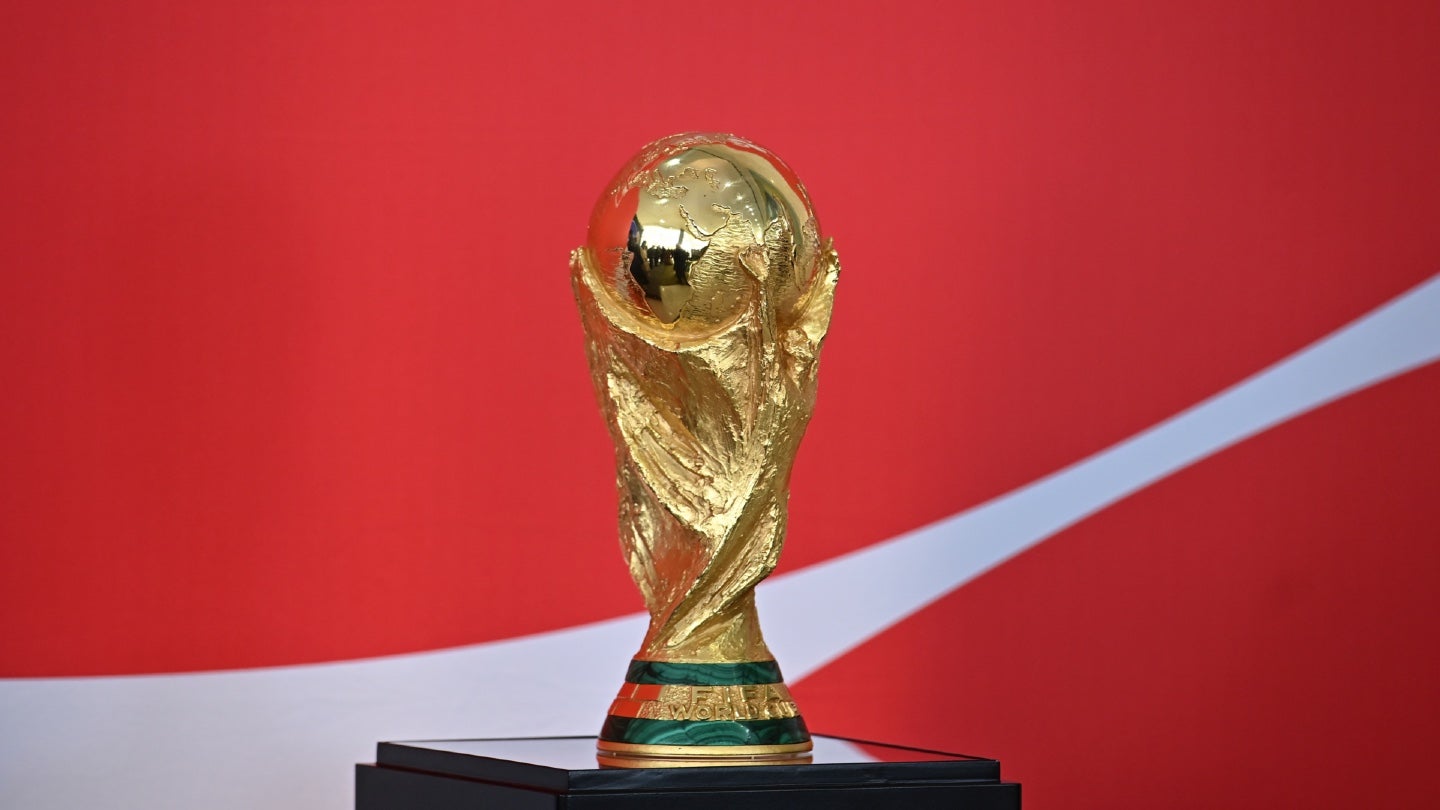
FIFA has fully sold its global sponsorship inventory for the 2026 men’s World Cup, a major commercial milestone that reinforces the tournament’s status as one of the most valuable properties in global sport.
The inventory covers both FIFA’s top-tier global partners and the tournament-specific sponsors tied to the 2026 event across Mexico, the United States, and Canada.
According to FIFA, the final one of 16 available sponsorship positions has now been allocated, leaving only two remaining opportunities in the regional supporter tier. Those final slots are expected to be filled soon, completing a commercial package that is already outpacing previous World Cup cycles.
The sellout reflects more than just strong brand demand. It also validates FIFA’s revised commercial strategy, introduced in 2023, which was designed to give prospective partners greater flexibility and more tailored assets. In a sponsorship market increasingly driven by reach, data, and activation potential, FIFA appears to have found a structure that better matches what global brands want from premium sports inventory.
FIFA has said the commercial programme is on pace to generate revenue well above prior World Cup editions, a significant benchmark given the event’s already massive global footprint. The organization’s chief business officer described the current cycle as the most successful commercial programme in FIFA history, pointing to unprecedented interest from brands across multiple markets.
The top-tier partner roster includes Aramco, Adidas, Coca-Cola, Hyundai-Kia, Visa, Qatar Airways, and Lenovo, a lineup that highlights the event’s broad appeal across consumer goods, mobility, finance, travel, and technology. Recent activity has also included Marriott Bonvoy’s regional partnership, reportedly valued at $15 million, which positions the hotel chain as the official hotel supporter in North America.
The commercial momentum around the 2026 World Cup comes as FIFA has also projected more than $14 billion in revenue for the 2027-30 financial cycle and reported strong results for 2025. In the second year of the current 2023-26 cycle, FIFA generated $2.66 billion in revenue, beating targets by $225 million, or 9%.
For the sports business, the message is clear: FIFA’s flagship tournament remains a rare asset capable of commanding premium pricing, attracting blue-chip brands, and setting new benchmarks for sponsorship monetization. As the 2026 World Cup approaches, the event is shaping up not only as a sporting spectacle, but as a case study in how global properties can redesign inventory and accelerate commercial growth.
Why It Matters
FIFA has sold out its global sponsorship inventory for the 2026 men’s World Cup, with only two regional supporter slots still open. The swift sell-through underscores the tournament’s commercial power and the effectiveness of FIFA’s newer, more flexible sponsorship model.