Ryder Cup’s Smurfit Westrock deal shows sustainability has become a commercial asset
The Ryder Cup’s new worldwide partnership with Smurfit Westrock through 2031 underscores a major shift in sports sponsorship: sustainability is no longer just a brand value, but a revenue driver. By tying a globally recognized packaging company to three editions across Europe and the United States, the property is monetizing long-term commercial relevance as much as prestige.
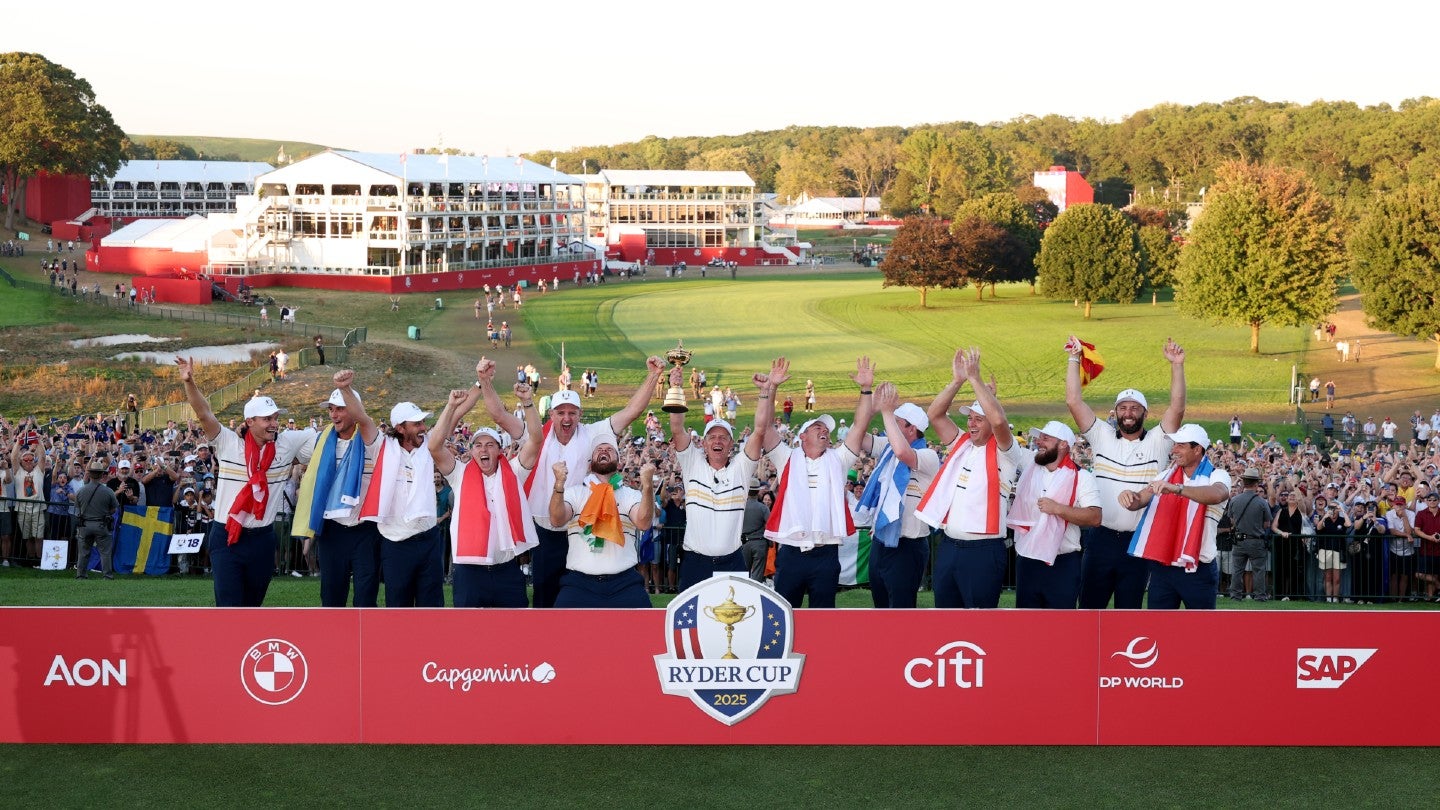
The Ryder Cup has expanded its commercial footprint with a worldwide partnership agreement with Smurfit Westrock that runs through 2031 and spans the next three editions of the biennial event. The deal highlights a broader change in sports sponsorship economics: elite properties are increasingly valued not just for visibility, but for the long-term commercial returns they can deliver across markets, media platforms and event cycles.
Under the agreement, the Dublin-based packaging company will be integrated into the 2027 Ryder Cup in Ireland, the 2029 edition in the United States and the 2031 tournament in Spain. That structure gives the Ryder Cup a recurring sponsor platform across three major territories while giving Smurfit Westrock a rare multi-year asset with built-in access to both European and American audiences.
The partnership extends far beyond traditional logo placement. Course branding, broadcast inventory, media backdrops and digital and social placements are all part of the package, creating a wide activation footprint that can support corporate messaging across multiple channels and stakeholder groups.
What makes the agreement especially notable is the way it positions sustainability as part of the commercial product. The Ryder Cup has increasingly embedded environmental responsibility into its operations, including the use of recyclable packaging across event delivery. In a sponsorship market where brands are under pressure to prove credible ESG commitments, that alignment can be as commercially valuable as media reach.
This reflects a wider shift in rights sales. Sports properties are no longer simply selling exposure; they are selling validation. Sponsors with sustainability credentials can reinforce an event’s operational choices, strengthen confidence among stakeholders and improve the property’s appeal to fans, partners and governing bodies.
The Ryder Cup’s format makes that proposition even stronger. Its transatlantic rotation between Europe and the United States creates a commercial rhythm that supports repeat activation, localized hospitality and market-specific storytelling. Few sports assets can offer that combination of global consistency and regional flexibility.
The 2027 edition at Adare Manor in County Limerick is already expected to be a major economic and civic moment for Ireland, with projections that it could become the largest sporting event ever staged on the island. Adding a globally recognized company with Irish roots deepens the local connection while extending the event’s international commercial reach.
Smurfit Westrock joins an already powerful sponsor roster that includes DP World, Aon, Rolex, BMW, Citi and Capgemini. That lineup illustrates how the Ryder Cup has become one of golf’s most valuable sponsorship ecosystems, attracting blue-chip brands across logistics, finance, luxury, technology and sustainability-led packaging.
With the 2025 event set for the United States before the rotation continues to Ireland in 2027, Minnesota in 2029 and Spain in 2031, the Ryder Cup offers something increasingly scarce in sports marketing: prestige, repeat exposure and a predictable global platform that can be monetized over time. That combination is what makes the property so commercially powerful, and why sustainability is now part of the business model rather than an optional extra.
Why It Matters
The Ryder Cup’s new worldwide partnership with Smurfit Westrock through 2031 underscores a major shift in sports sponsorship: sustainability is no longer just a brand value, but a revenue driver. By tying a globally recognized packaging company to three editions across Europe and the United States, the property is monetizing long-term commercial relevance as much as prestige.
Content Package
Smurfit Westrock has signed on as a worldwide Ryder Cup partner through 2031—boosting visibility via signage, media & digital channels. The deal also strengthens the event’s sustainability push. #RyderCup #Sustainability
#RyderCup#SportsSponsorship#Sustainability#Golf#ESG#BrandPartnerships
Smurfit Westrock has agreed to partner with the Ryder Cup as a worldwide sponsor through 2031, supporting editions in Ireland (2027), the United States (2029) and Spain (2031). For the Dublin-based sustainable packaging group, the value proposition is clear: premium brand visibility across course signage, media backdrops, and digital/social touchpoints—paired with credibility through sustainability-led operations, including recyclable packaging used across event activities. Why this matters for sports sponsorship The Ryder Cup continues to reinforce its position as a global sponsorship platform, not just a marquee sporting property. As rights holders seek differentiation, environmentally focused partners are increasingly attractive because they can deliver both commercial reach and operational alignment with modern fan expectations. A multi-year, transatlantic platform With the Ryder Cup rotating between Europe and the U.S. across a multi-year cycle, sponsors gain repeat exposure and the opportunity to activate in multiple markets. This long-term commitment also adds strategic weight to the 2027 event at Adare Manor in County Limerick—widely seen as a landmark moment for Irish sport. Smurfit Westrock joins a strong partner group that includes DP World, Aon, Rolex, BMW, Citi and Capgemini, underlining the Ryder Cup’s status as one of golf’s most valuable sponsorship ecosystems. The takeaway: sustainability is no longer a “nice-to-have” in sponsorship—it’s becoming a core part of brand fit, fan trust, and event operations. #RyderCup #SportsSponsorship #Sustainability #BrandPartnerships #Golf #SponsorshipStrategy
#RyderCup#SportsSponsorship#Sustainability#Golf#ESG#BrandPartnerships
Smurfit Westrock is on board as a worldwide Ryder Cup partner through 2031 🌍♻️ Sustainability + global brand visibility across signage, media & digital. Next stops: Ireland 2027 • USA 2029 • Spain 2031 #RyderCup #Sustainability #SportsMarketing #Sponsorship #Golf #ESG #BrandPartnership
#RyderCup#SportsSponsorship#Sustainability#Golf#ESG#BrandPartnerships
Smurfit Westrock has signed on as a worldwide partner of the Ryder Cup through 2031, supporting events in Ireland (2027), the United States (2029) and Spain (2031). The deal highlights growing demand for sustainability in sports sponsorship, with recyclable packaging planned across event operations. With major brand visibility across signage, media and digital channels, the Ryder Cup continues to prove its global sponsorship power—offering partners a rare transatlantic platform over multiple editions.
#RyderCup#SportsSponsorship#Sustainability#Golf#ESG#BrandPartnerships
In 2027, 2029, and 2031, the Ryder Cup just got a new long-term partner: Smurfit Westrock. ♻️ Here’s why it matters: Smurfit Westrock is a sustainable packaging company, and this deal aligns the brand with the Ryder Cup’s growing sustainability agenda— including recyclable packaging across event operations. For the Ryder Cup, it’s more than sponsorship signage and media backdrops. It’s proof the event is a global platform—because the tournament rotates between Ireland, the U.S., and Spain, giving sponsors repeated exposure in multiple markets. So when golf moves toward bigger sustainability commitments, partnerships like this are becoming the new playbook. What do you think—will more tournaments follow?
#RyderCup#SportsSponsorship#Sustainability#Golf#ESG#BrandPartnerships
Smurfit Westrock just inked a Ryder Cup partnership through 2031—here’s the big takeaway. ♻️ The sponsor will back the next three Ryder Cups: Ireland in 2027, the U.S. in 2029, and Spain in 2031. Why it’s a win: Smurfit Westrock gets major visibility across course signage, media backdrops, and digital/social channels. But the real story is the sustainability alignment—recyclable packaging across event operations matches the Ryder Cup’s growing ESG push. And for the Ryder Cup, it reinforces something important: it’s not only a sporting event, it’s a global sponsorship platform with a multi-year, transatlantic footprint. More sustainability-focused deals like this are coming—what’s your take?
#RyderCup#SportsSponsorship#Sustainability#Golf#ESG#BrandPartnerships
Smurfit Westrock’s Ryder Cup partnership through 2031 underlines a shift: top golf properties are now bought for global brand scale + sustainability credibility—not just sporting prestige. #RyderCup #Sustainability
#RyderCup#SportsSponsorship#Sustainability
The Ryder Cup has just added another heavyweight to its sponsor portfolio—Smurfit Westrock, a sustainable packaging leader—extending a worldwide partnership through 2031. This deal is more than a brand placement story. It signals that premium golf rights are increasingly being valued for three commercial assets that are now inseparable: 1) Global brand scale The agreement supports a multi-year, multi-continent sponsorship footprint across Ireland (2027), the United States (2029) and Spain (2031). That recurring rotation gives sponsors a durable property they can plan around—rather than a one-off moment. 2) Corporate positioning through sustainability Smurfit Westrock’s visibility spans course signage, broadcast-facing assets, media backdrops, and digital/social placements. But the real differentiator is alignment: recyclable packaging across event operations reinforces the Ryder Cup’s sustainability identity as part of its commercial value proposition. 3) Long-term business relevance As rights holders compete for premium partners, environmental credentials are no longer “nice to have.” Brands increasingly want sponsorships that validate operational strategy and strengthen appeal to fans and stakeholders. The commercial power here is also structural. Few sports properties can offer such a clear transatlantic rotation—enabling repeat exposure, localized activation, hospitality opportunities, and consistent brand storytelling across markets. With Smurfit Westrock joining an already blue-chip roster (DP World, Aon, Rolex, BMW, Citi, Capgemini), the Ryder Cup continues to evolve into one of golf’s most valuable sponsorship ecosystems—now with sustainability-led packaging as an additional pillar. For 2027 at Adare Manor in Ireland, the message is clear: the Ryder Cup is monetizing not only prestige, but also international reach and operational credibility—making sustainability a core part of commercial relevance. #RyderCup #SportsSponsorship #Sustainability #GolfBusiness #BrandPartnerships #SponsorshipStrategy
#RyderCup#SportsSponsorship#Sustainability
The Ryder Cup just landed a sustainability-led partner: Smurfit Westrock extends through 2031 ♻️🌍 More than golf—global reach + eco credibility across Ireland, US & Spain. #RyderCup #Sustainability #SportsMarketing #Sponsorship #GolfBusiness #BrandPartnerships #ESG
#RyderCup#SportsSponsorship#Sustainability
The Ryder Cup is strengthening its commercial portfolio with a new worldwide partnership from Smurfit Westrock, a sustainable packaging company, running through 2031. The multi-year deal boosts global brand visibility across Ireland (2027), the United States (2029) and Spain (2031), while aligning with the event’s growing sustainability focus—showing how top sports properties are now valued for both international scale and environmental credentials.
#RyderCup#SportsSponsorship#Sustainability
In the past, sponsors backed the Ryder Cup for the prestige. Now? Sustainability is part of the pitch. Smurfit Westrock just signed a worldwide partnership through 2031—covering Ireland 2027, the USA 2029, and Spain 2031. That means brand exposure across course signage, broadcast assets, media backdrops, and digital channels—plus visibility tied to recyclable packaging in event operations. Bottom line: the Ryder Cup isn’t just monetizing golf audiences anymore. It’s selling global reach and ESG credibility at the same time. What do you think—will sustainability become the new baseline for sports sponsorship? Comment below.
#RyderCup#SportsSponsorship#Sustainability
The Ryder Cup just proved sponsorship power has evolved. Smurfit Westrock—sustainable packaging company—has extended its partnership through 2031, backing the events in Ireland (2027), the US (2029), and Spain (2031). This isn’t only about logos. The deal supports visibility across signage, broadcast and media assets, and digital/social platforms—while aligning with the Ryder Cup’s sustainability operations, including recyclable packaging. In other words: premium golf rights are now being valued for global brand scale AND environmental credibility. That transatlantic rotation gives sponsors repeat opportunities and localized activations—something few sports properties can match. Should more events follow this model? Like and subscribe for more sports business updates!
#RyderCup#SportsSponsorship#Sustainability
Ryder Cup just locked in Smurfit Westrock through 2031—proof that sponsorship is shifting from hype to ESG. Sustainability is now a commercial edge, with multi-year global activation across Europe & the US. #RyderCup
#RyderCup#SportsMarketing#Sustainability#ESG#Sponsorship
The Ryder Cup’s new worldwide pact with Smurfit Westrock (through 2031) is a clear signal of where premium sports sponsorship is heading: prestige plus proof. Under the agreement, the Dublin-based packaging company will support the 2027 Ryder Cup in Ireland, 2029 in the United States, and 2031 in Spain. That multi-year, multi-market structure matters. It gives the rights holder a recurring sponsorship asset that can be activated continent by continent—while giving the sponsor rare transatlantic visibility. But what makes this deal especially noteworthy is how sustainability is embedded into the commercial identity, not treated as an add-on. Smurfit Westrock’s involvement aligns with the Ryder Cup’s operational sustainability direction, including recyclable packaging across event operations. In a sponsorship market where brands face increasing pressure to demonstrate measurable ESG credentials, that alignment can carry as much strategic weight as traditional media inventory. This is the “disruptive” shift the industry is watching: rights holders are no longer only selling audiences—they’re selling operational credibility. Sponsors with sustainability credentials can validate an event’s approach, strengthen stakeholder confidence, and enhance the property’s appeal to fans, partners, and governing bodies. The Ryder Cup’s structure amplifies the opportunity. Its European/US rotation creates a repeatable commercial rhythm—local narratives, market-specific activations, and hospitality programs—while maintaining global consistency. Few properties offer that combination of global reach and regional flexibility. Smurfit Westrock joins an already impressive partner roster including DP World, Aon, Rolex, BMW, Citi, and Capgemini—spanning logistics, finance, luxury, tech, and sustainability-led packaging. That diversity reinforces the Ryder Cup as one of golf’s most valuable sponsorship ecosystems. For the market, the lesson is straightforward: sustainability is increasingly becoming a monetizable advantage—because it strengthens both brand positioning and the credibility of the property itself. The next three Ryder Cups may be about golf, but the commercial story is about ESG becoming part of the product.
#RyderCup#SportsMarketing#Sustainability#ESG#Sponsorship
The Ryder Cup just added Smurfit Westrock through 2031 🌍♻️ Sustainability isn’t an add-on anymore—it’s part of the sponsorship value. Multi-year, multi-market activation across Ireland, USA & Spain. #RyderCup #Sustainability #ESG #SportsMarketing #GolfBusiness #Sponsorship #BrandPartnership #SustainableSports
#RyderCup#SportsMarketing#Sustainability#ESG#Sponsorship
Smurfit Westrock has become a new commercial partner of the Ryder Cup, signing a worldwide deal running through 2031. The agreement covers events in Ireland (2027), the USA (2029) and Spain (2031), highlighting how sustainability and ESG credentials are becoming key parts of modern sports sponsorship value.
#RyderCup#SportsMarketing#Sustainability#ESG#Sponsorship
Here’s why this Ryder Cup sponsorship deal matters 👇 Smurfit Westrock just signed on through 2031—supporting Ryder Cup events in Ireland (2027), the US (2029), and Spain (2031). But the big story isn’t just exposure. This partnership ties sustainability directly into the Ryder Cup’s commercial identity—think recyclable packaging and ESG-aligned storytelling. In sports marketing, brands used to buy audiences. Now they’re buying proof points. And with the Ryder Cup rotating between Europe and the US, sponsors get repeat, multi-market activation—prestige plus long-term credibility. Sustainability is becoming the advantage. Like and follow for more sports business breakdowns.
#RyderCup#SportsMarketing#Sustainability#ESG#Sponsorship
The Ryder Cup just made a sustainability play—here’s what it means. Smurfit Westrock signed a global partnership through 2031, backing Ryder Cup events in Ireland (2027), the US (2029), and Spain (2031). This is more than branding. The deal strengthens the Ryder Cup’s ESG credentials—like recyclable packaging—and gives the sponsor “proof points,” not just media reach. Because sponsorship is shifting: rights holders aren’t selling audiences only—they’re selling operational credibility. And with the Ryder Cup’s Europe/US rotation, Smurfit Westrock gets consistent global visibility plus localized activation opportunities each cycle. Bottom line: sustainability is now a commercial advantage, built into the product—not added later. Follow for more sports business insights in under a minute!
#RyderCup#SportsMarketing#Sustainability#ESG#Sponsorship
Smurfit Westrock’s Ryder Cup deal through 2031 signals a shift: sustainability is now a commercial asset. With multi-continent activation (2027 Ireland, 2029 USA, 2031 Spain), sponsors are buying proof—not just reach.
#RyderCup#SportsSponsorship#Sustainability
The Ryder Cup has secured a major long-term commercial partner in Smurfit Westrock, locking in a worldwide sponsorship agreement through 2031 across the next three editions (2027 Ireland, 2029 USA, 2031 Spain). It’s a strong reminder that premium sports properties are increasingly valued not only for scale and prestige, but for their ability to deliver sustained brand relevance across multiple markets. What makes this deal particularly notable is how it reframes sponsorship value. The package goes well beyond logo placement, including course branding, broadcast inventory, media backdrops, and digital/social placements—creating a repeatable activation footprint that can support corporate messaging across channels and audiences. But the real differentiator is the way the partnership reinforces sustainability as part of the Ryder Cup’s business proposition. The event has increasingly embedded environmental responsibility into its operational identity—such as the use of recyclable packaging—meaning sponsors with credible ESG credentials can “validate” the property’s real-world choices. In a market where brands are under pressure to prove their sustainability claims, that alignment can be as valuable as traditional media metrics. This reflects a wider rights-sales evolution: sports properties aren’t just selling reach anymore; they’re selling proof. Sponsors gain stronger stakeholder confidence, and the event strengthens its appeal to fans, partners, and governing bodies. The Ryder Cup format amplifies the commercial logic. Its transatlantic rotation between Europe and the United States provides a predictable rhythm for recurring activation—global consistency with regional flexibility. Add in the local significance of the 2027 event at Adare Manor in Ireland (expected to be a landmark civic and economic moment on the island), and the deal gains an extra layer of symbolic and commercial weight. Smurfit Westrock joins a standout roster including DP World, Aon, Rolex, BMW, Citi, and Capgemini—evidence that the Ryder Cup has become one of golf’s most valuable sponsorship ecosystems, spanning logistics, finance, luxury, technology, and sustainability-led packaging. With the 2025 event in the United States before the rotation continues to 2027 (Ireland), 2029 (Minnesota), and 2031 (Spain), the Ryder Cup is offering something increasingly scarce in sports marketing: prestige, repeat exposure, and a long-term platform that can be monetized over time. Sustainability, in this case, isn’t an add-on—it’s built into the model.
#RyderCup#SportsSponsorship#Sustainability
Sustainability just got a promotion 🏌️♻️ Smurfit Westrock signs through 2031 for Ryder Cup activation across 2027 Ireland, 2029 USA & 2031 Spain. ESG + premium exposure = the new sponsorship playbook. #RyderCup #Sustainability #ESG #SportsSponsorship #GolfMarketing #BrandPartnership #SportsBusiness #SponsorshipStrategy #SmurfitWestrock
#RyderCup#SportsSponsorship#Sustainability
Smurfit Westrock has signed a worldwide Ryder Cup sponsorship deal through 2031, spanning the 2027 event in Ireland, 2029 in the United States and 2031 in Spain. The agreement highlights a growing trend in sports sponsorship: sustainability is becoming a core commercial value—offering brands more than logo visibility through broad, multi-channel activation and ESG-aligned operational credibility.
#RyderCup#SportsSponsorship#Sustainability
Smurfit Westrock just signed a Ryder Cup sponsorship deal through 2031—and it’s a big sign of where sports sponsorship is heading. Instead of one-off branding, the agreement runs across three Ryder Cups: 2027 in Ireland, 2029 in the U.S., and 2031 in Spain. That means repeated, global visibility—plus localized storytelling. But the real headline? Sustainability is built into the partnership. The Ryder Cup has been strengthening its environmental identity, and sponsors with credible ESG credentials can “prove” their commitments, not just claim them. So this isn’t only about reach—it’s about relevance, repeat exposure, and ESG credibility. That’s the new commercial asset in sports.
#RyderCup#SportsSponsorship#Sustainability
Smurfit Westrock’s Ryder Cup deal through 2031 is more than a sponsorship—it’s a blueprint. Here’s why: the partnership spans three events across continents—2027 in Ireland, 2029 in the U.S., and 2031 in Spain—giving the brand long-term, repeat activation. And it goes beyond logo placement with course branding, broadcast inventory, media backdrops, and digital/social placements. The most important shift? Sustainability is becoming a commercial advantage. With ESG pressure rising, sponsors want proof—like the Ryder Cup’s recyclable packaging and sustainability-first operational choices. So the message to rights holders and brands is clear: sponsorship value is moving from reach to proof. Like and follow for more sports business insights.
#RyderCup#SportsSponsorship#Sustainability
Smurfit Westrock’s Ryder Cup deal to 2031 signals a shift: sustainability isn’t just ESG—it’s a commercial asset. With recurring global activation (Ireland/US/Spain), the rights value is built to last. #RyderCup #Sponsorship
#RyderCup#SportsSponsorship#ESG
The Ryder Cup has landed a major new long-horizon partner in Smurfit Westrock, agreeing a worldwide sponsorship through 2031—covering the next three editions of golf’s biennial showpiece. On the surface, it’s another blue-chip rights deal. But the economics behind it point to a clearer shift in sponsorship: elite properties are increasingly being valued not only for prestige and reach, but for their ability to deliver sustained, credible brand value across multiple markets and cycles. Why this deal matters • Recurring, cross-continental platform: Smurfit Westrock is integrated into 2027 (Ireland), 2029 (United States) and 2031 (Spain). That gives both sides a reliable “activation rhythm” rather than one-off exposure. • Broad activation footprint: Beyond logo placement, the package includes course branding, broadcast inventory, media backdrops, and digital/social assets—supporting corporate messaging across channels and audiences. The disruptive element: sustainability as a commercial proposition What stands out is how sustainability is embedded into the Ryder Cup’s commercial value. The event has increasingly aligned environmental responsibility with its operational identity—such as recyclable packaging across event operations. In a sponsorship market where brands face mounting pressure to prove ESG credibility, this alignment can be as strategically important as traditional media delivery. In other words, sponsors aren’t just buying attention—they’re buying proof. Sponsors with credible sustainability credentials can validate operational choices, strengthen stakeholder confidence, and improve the property’s appeal to fans, partners, and governing bodies. A format that enhances monetisation The Ryder Cup’s transatlantic rotation (Europe ↔ US) reinforces the case for repeat activation—localized hospitality, market-specific storytelling, and a consistent global structure. Few sports properties can combine international consistency with regional flexibility at this scale. Local resonance, global reach With the 2027 event at Adare Manor in County Limerick—expected to be a landmark sporting and civic moment—Smurfit Westrock’s Irish roots add extra cultural resonance, while extending international commercial reach. Smurfit Westrock joins an already strong roster including DP World, Aon, Rolex, BMW, Citi, Capgemini and others. Taken together, the message is clear: the Ryder Cup has matured into a sponsorship ecosystem built for long-term value. Bottom line: this is a rights sale model that treats sustainability not as an add-on, but as part of the business case. In today’s sponsorship landscape, that’s increasingly what wins.
#RyderCup#SportsSponsorship#ESG
Ryder Cup just got a sustainability-led boost ♻️🏌️ Smurfit Westrock’s 2031 deal turns ESG credibility into real commercial value—plus global activations across Ireland 🇮🇪, the US 🇺🇸 & Spain 🇪🇸. #RyderCup #Sponsorship #Sustainability #ESG #SportsMarketing #Golf
#RyderCup#SportsSponsorship#ESG
The Ryder Cup has secured Smurfit Westrock as a major commercial partner through 2031, extending sponsorship across Ireland (2027), the United States (2029) and Spain (2031). The deal highlights how sustainability is becoming a core part of sports sponsorship value—offering brands long-term, multi-channel activation and credible ESG alignment.
#RyderCup#SportsSponsorship#ESG
Smurfit Westrock just signed on as a Ryder Cup sponsor through 2031—so this isn’t a one-off logo deal. It’s built for repeat activation across Ireland, the US, and Spain. Here’s the big takeaway: sustainability is now a commercial asset. The Ryder Cup is tying ESG credibility to real on-site and broadcast branding—course, digital, social, and even recyclable packaging in operations. So when brands choose the Ryder Cup, they’re not just buying exposure—they’re buying proof. In sports sponsorship, the future is long-term value + sustainability that stakeholders can actually see. #RyderCup #Sponsorship #ESG
#RyderCup#SportsSponsorship#ESG
Smurfit Westrock’s Ryder Cup deal runs through 2031—covering 2027 in Ireland, 2029 in the US, and 2031 in Spain. That’s a multi-edition partnership, not a quick hit. But what’s really interesting? Sustainability is part of the business model. The Ryder Cup has embedded environmental responsibility into operations—like recyclable packaging—and now that alignment is being monetized through broader sponsor activation: course branding, broadcast inventory, and digital/social assets. So sponsors aren’t only buying reach—they’re buying credibility and proof that an event operates the way it claims. That’s the new sponsorship playbook: repeat exposure, global consistency, and ESG that can be validated. #RyderCup #SportsBusiness #Sponsorship #ESG
#RyderCup#SportsSponsorship#ESG
Smurfit Westrock’s Ryder Cup deal to 2031 shows sustainability is now commercial leverage. With multi-edition, multi-continent activation, the partnership proves elite sport is “selling proof,” not just exposure.
#RyderCup#Sponsorship#Sustainability
The Ryder Cup has secured another heavyweight partner in Smurfit Westrock, agreeing a worldwide sponsorship through 2031—covering the next three editions in Ireland (2027), the United States (2029) and Spain (2031). This isn’t a deal built purely on prestige. It’s a clear example of how elite sports properties are being monetized through repeat, long-term brand value across markets and event cycles. Why the structure matters A multi-edition platform gives the Ryder Cup a recurring sponsorship rhythm across continents. For Smurfit Westrock, that translates into a rare long-term asset: sustained visibility and the ability to build credibility with both European and American audiences. But the commercial value goes beyond logo placement The package includes course branding, broadcast inventory, media backdrops, and digital/social assets—creating an activation footprint that can support corporate messaging across multiple channels and audiences. The real differentiator: sustainability as a revenue driver What makes this agreement notably disruptive is how it elevates sustainability within the Ryder Cup’s commercial proposition. The event has increasingly embedded environmental responsibility into its operational identity, including recyclable packaging across event operations. In today’s sponsorship market, ESG credibility is no longer “nice to have.” When a sponsor can align with an event that demonstrates sustainability in practice, that alignment can carry as much commercial weight as traditional media reach—strengthening stakeholder confidence and improving appeal to fans, partners, and governing bodies. A broader shift in rights sales: selling proof Sports properties aren’t just selling exposure; they’re selling proof. Sponsors with credible sustainability credentials can validate operational choices, turning event operations into part of the brand story. And the Ryder Cup’s format strengthens the case The transatlantic rotation between Europe and the U.S. creates a commercial rhythm that supports localized hospitality and market-specific storytelling, while maintaining global consistency. Few properties can offer that combination of repeat activation and regional flexibility. With the 2025 Ryder Cup in the U.S. preceding the Ireland (2027) and Spain (2031) cycle, the Ryder Cup is positioning itself as something increasingly scarce in sports marketing: prestige, repeat exposure, and a predictable global platform that can be monetized over time—now with sustainability built into the business model.
#RyderCup#Sponsorship#Sustainability
Sustainability just leveled up in golf. 🌍⛳️ Smurfit Westrock’s Ryder Cup deal through 2031 brings multi-continent activations + ESG credibility—proof, not just exposure. #RyderCup #Sustainability #Sponsorship #ESG #SportsMarketing #BrandPartnership
#RyderCup#Sponsorship#Sustainability
The Ryder Cup has added Smurfit Westrock as a major commercial partner through 2031, spanning events in Ireland (2027), the United States (2029) and Spain (2031). The deal highlights how sustainability is becoming a key part of sponsorship value—turning event operations into measurable brand credibility.
#RyderCup#Sponsorship#Sustainability
Hook (0-5s): The Ryder Cup just signed a sustainability-led sponsorship that’s bigger than a logo. Scene 1 (5-15s): Smurfit Westrock is onboard through 2031—2027 in Ireland, 2029 in the U.S., 2031 in Spain—so the brand gets repeat global visibility. Scene 2 (15-28s): This isn’t just signage. The package includes course branding, broadcast inventory, media backdrops, plus digital and social assets—an activation footprint across channels. Scene 3 (28-40s): Here’s the shift: sponsors aren’t only buying exposure anymore—they’re buying “proof.” Sustainability is built into the Ryder Cup’s operational identity, including recyclable packaging. Close (40-45s): Prestige sells—but sustainability sustains. This is what the next era of sports sponsorship looks like.
#RyderCup#Sponsorship#Sustainability
The Ryder Cup just made a bold move: Smurfit Westrock is now a worldwide partner through 2031. That means activation across Ireland 2027, the U.S. 2029, and Spain 2031—so the sponsor gets repeat exposure on a predictable global platform. But the real story? This deal treats sustainability like a commercial asset. The Ryder Cup has embedded environmental responsibility into operations, including recyclable packaging, and that ESG alignment strengthens sponsor credibility. In sponsorship today, brands aren’t just buying time on camera—they’re buying proof. And with course branding, broadcast inventory, media backdrops, plus digital and social assets, this partnership delivers across every touchpoint. Prestige, repeat exposure, and sustainability built in—this is the future of sports marketing.
#RyderCup#Sponsorship#Sustainability
Ryder Cup’s Smurfit Westrock deal runs through 2031—course branding, broadcast & digital activations included. Proof that sustainability is now a commercial asset, not just ESG optics. #RyderCup #Sustainability
#RyderCup#Sustainability#SportsSponsorship#ESG#SportsMarketing#GolfBusiness
The Ryder Cup has just made a clear commercial statement: sustainability is no longer a “nice-to-have” add-on—it’s becoming part of the sponsorship product. Smurfit Westrock has secured a worldwide partnership through 2031, spanning the next three editions of the biennial competition (Ireland 2027, USA 2029, Spain 2031). For the Ryder Cup, it’s a rare multi-year platform that can be activated consistently across major territories. For Smurfit Westrock, it’s a long-horizon asset to build visibility with both European and American audiences. But what makes this deal especially relevant for rights/sponsorship strategy is the activation depth. This isn’t limited to logo placement. The agreement includes course branding, broadcast inventory, media backdrops, plus digital and social placements—creating a broad, measurable footprint that supports corporate messaging across multiple channels and stakeholder groups. The sustainability angle is where the commercial logic tightens. The Ryder Cup has been embedding environmental responsibility into its operational identity, including recyclable packaging across event operations. In a market where brands face growing pressure to demonstrate credible ESG commitments, alignment between a property’s operations and a sponsor’s sustainability credentials can carry as much value as traditional media reach. This reflects a wider shift in sports sponsorship: premium properties are increasingly valued for long-term, repeatable returns—not just brand prestige. Sponsors aren’t only “buying exposure”; they’re buying validation—confidence among stakeholders, stronger alignment with governing bodies, and improved fan/partner perception. The Ryder Cup’s transatlantic format strengthens that proposition. With Europe–US rotation, it offers repeat activation rhythm, localized hospitality opportunities, and market-specific storytelling—while keeping the global brand platform consistent. Few sports assets can combine predictability for sponsors with flexibility for local execution at this scale. With a high-profile sponsor roster already in place (DP World, Aon, Rolex, BMW, Citi, Capgemini and more), the Smurfit Westrock partnership further reinforces the Ryder Cup as one of golf’s most valuable sponsorship ecosystems—particularly for brands where sustainability is part of the commercial narrative. Takeaway: the future of sponsorship is operational alignment plus measurable, multi-edition monetization. The Ryder Cup is showing exactly how that model can work.
#RyderCup#Sustainability#SportsSponsorship#ESG#SportsMarketing#GolfBusiness
Sustainability is now a sponsorship superpower 🌍♻️ Smurfit Westrock joins the Ryder Cup through 2031 with course, broadcast & digital activations—proof ESG can drive commercial value. #RyderCup #Sustainability #SportsMarketing #Sponsorship #ESG #Golf
#RyderCup#Sustainability#SportsSponsorship#ESG#SportsMarketing#GolfBusiness
The Ryder Cup has strengthened its commercial portfolio with a worldwide partnership agreement with Smurfit Westrock running through 2031, covering the next three events in Ireland (2027), the United States (2029) and Spain (2031). The deal includes far more than logo exposure—course branding, broadcast inventory and digital activations—while reinforcing sustainability as part of the event’s business model. Read more about why this is a major sign that ESG credibility is becoming a measurable commercial asset in sports sponsorship.
#RyderCup#Sustainability#SportsSponsorship#ESG#SportsMarketing#GolfBusiness
Sponsorship is changing—and the Ryder Cup is leading the way. Smurfit Westrock just signed on as a worldwide partner through 2031. That means activations across Ireland 2027, the USA 2029, and Spain 2031—not just a logo, but course branding, broadcast placements, and digital/social visibility. Here’s the key: this deal ties directly to sustainability. The Ryder Cup has been embedding environmental responsibility into operations, including recyclable packaging. So the question isn’t “Is sustainability good for the brand?” It’s “Can sustainability drive long-term commercial value?” That’s exactly what this partnership is proving. #RyderCup #Sustainability #SportsBusiness
#RyderCup#Sustainability#SportsSponsorship#ESG#SportsMarketing#GolfBusiness
The Ryder Cup just proved sustainability is now a commercial asset. Smurfit Westrock is partnering through 2031—covering Ireland 2027, the USA 2029, and Spain 2031. This isn’t basic brand placement. The agreement includes course branding, broadcast inventory, media backdrops, and digital/social activations. Why it matters: sponsors are increasingly buying “validation,” not just exposure. When a property’s operations match a sponsor’s ESG commitments, it strengthens stakeholder confidence and improves the event’s commercial appeal. With the Ryder Cup’s Europe–US rotation, Smurfit Westrock gets repeat exposure across major markets—while the Ryder Cup reinforces its sustainability identity. Sustainability isn’t optional anymore. It’s part of the business model. #RyderCup #SportsMarketing #ESG
#RyderCup#Sustainability#SportsSponsorship#ESG#SportsMarketing#GolfBusiness
Smurfit Westrock’s Ryder Cup deal through 2031 shows a shift in sponsorship: brands aren’t just buying exposure—they’re buying long-term commercial value. Sustainability is now part of the product. #RyderCup #ESG
#RyderCup#SportsMarketing#ESG#Sponsorship
The Ryder Cup’s worldwide partnership with Smurfit Westrock (through 2031) is a clear signal that sports sponsorship economics are evolving. What stands out is the structure and intent of the deal: Smurfit Westrock will be integrated across three editions—2027 in Ireland, 2029 in the United States, and 2031 in Spain—giving the event a recurring sponsor platform across major territories and media cycles. For Smurfit Westrock, it’s a rare multi-year asset with built-in access to both European and American audiences. But the bigger story is how the partnership goes beyond logo placement. Course branding, broadcast inventory, media backdrops, and digital/social placements create an activation footprint designed to support corporate messaging across stakeholder groups and channels. Most notably, the agreement reframes sustainability as a commercial asset. With recyclable packaging and broader environmental responsibility embedded into event operations, the Ryder Cup is aligning its operational choices with the ESG expectations sponsors face in today’s market. In a rights landscape where brands are under pressure to prove credibility—not just claim impact—this alignment can be as valuable as reach. That’s the broader shift: elite properties are increasingly selling “validation,” not just visibility. Sponsors with sustainability credentials can reinforce an event’s operational decisions, strengthen stakeholder confidence, and deepen appeal to fans, partners, and governing bodies. The Ryder Cup’s transatlantic rotation strengthens the business case further. It creates a rhythm for repeat activation, localized hospitality, and market-specific storytelling—an uncommon combination of global consistency and regional flexibility. With a blue-chip sponsor ecosystem already in place (DP World, Aon, Rolex, BMW, Citi, Capgemini and more), Smurfit Westrock’s long-term commitment reinforces the Ryder Cup’s position as one of golf’s most commercially powerful platforms—where sustainability is no longer an optional extra, but part of the product model. #RyderCup #Sponsorship #ESG #SportsMarketing #GolfBusiness #BrandPartnerships
#RyderCup#SportsMarketing#ESG#Sponsorship
Ryder Cup x Smurfit Westrock through 2031 ✅ Sustainability + sponsorship = real commercial value. Multi-territory activations across 2027 (Ireland), 2029 (USA) & 2031 (Spain). ♻️🏌️ #RyderCup #Sustainability #ESG #SportsMarketing #Sponsorship #BrandPartnerships #Golf
#RyderCup#SportsMarketing#ESG#Sponsorship
The Ryder Cup has extended its commercial footprint with a long-term partnership with Smurfit Westrock running through 2031. The deal spans multiple editions (Ireland 2027, USA 2029, Spain 2031) and includes activations across course branding, broadcast and digital channels—highlighting how sustainability is becoming a key part of sponsorship value.
#RyderCup#SportsMarketing#ESG#Sponsorship
Smurfit Westrock just signed a major Ryder Cup deal through 2031—here’s why it matters. Instead of a one-off logo, the partnership is built across three events: 2027 in Ireland, 2029 in the U.S., and 2031 in Spain. That means repeat exposure with real activation across TV, digital, and on-course branding. But the headline? Sustainability is part of the commercial package. Recyclable packaging and ESG credibility aren’t “extra”—they’re positioned as value sponsors can sell internally and externally. This is the new sponsorship playbook: brands aren’t just buying visibility. They’re buying validation over time. #RyderCup #ESG #Sponsorship #SportsMarketing
#RyderCup#SportsMarketing#ESG#Sponsorship
The Ryder Cup’s partnership with Smurfit Westrock is a big sign of where sports sponsorship is heading. It runs through 2031 and covers three Ryder Cups: 2027 in Ireland, 2029 in the U.S., and 2031 in Spain—so the sponsor gets a recurring global platform, not a one-event splash. And it’s not just branding. The deal includes course and broadcast inventory plus digital and social placements—building a full activation footprint. What makes it especially notable is the shift to sustainability as commercial value. The Ryder Cup is embedding environmental responsibility into operations, and that alignment helps sponsors prove credible ESG commitments. In short: elite sports rights are moving from “exposure” to “validation.” #RyderCup #Sponsorship #ESG #GolfBusiness
#RyderCup#SportsMarketing#ESG#Sponsorship