Instrumented Mouthguards Are Becoming a Sports Business Necessity
Instrumented mouthguards are shifting from niche safety products to core infrastructure in contact sports, driven by rising concussion concerns, duty-of-care demands, and commercial risk. As leagues and clubs look for scalable ways to monitor head impacts, the category is evolving into a connected business model with implications for insurance, reputation, and athlete management.
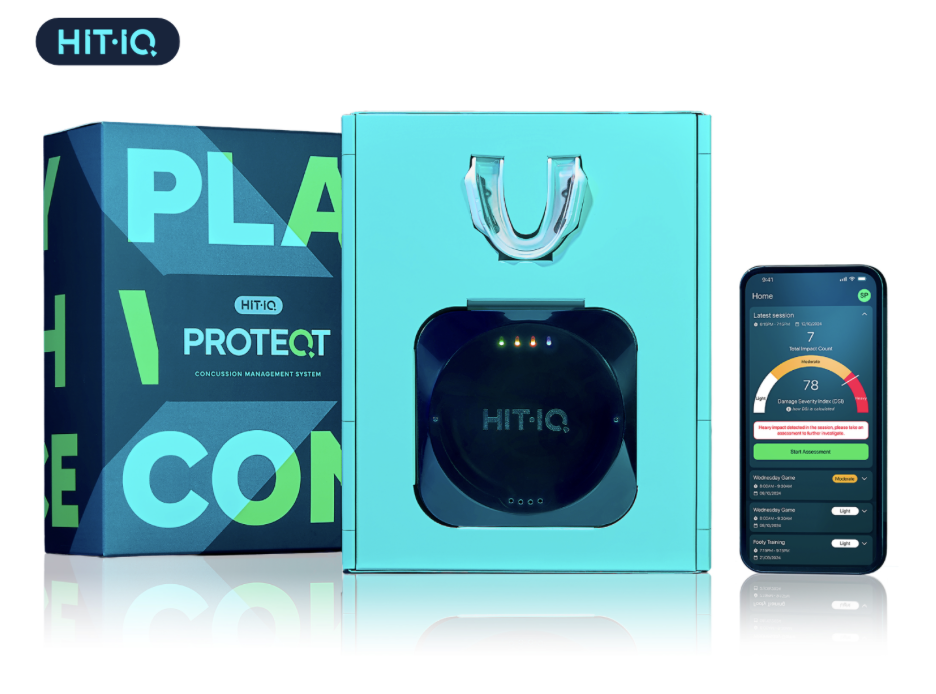
Instrumented mouthguards are no longer a speculative add-on. They are fast becoming a strategic requirement in the commercial machinery of contact sports.
Across leagues, clubs, schools, and governing bodies, the push to improve concussion detection and demonstrate a stronger duty of care is accelerating adoption of sensor-enabled wearables. What was once treated as a specialist safety tool is now being positioned as part of the operational backbone of modern sport.
That shift is becoming more visible as sports technology leaders examine how head-impact monitoring is moving closer to mainstream use. The commercial opportunity is expanding across grassroots and elite environments alike, where organizations are searching for scalable ways to collect, interpret, and act on impact data in real time.
The business case is hard to ignore. In an environment where risk management, insurance exposure, athlete availability, and public trust all carry financial consequences, technologies that turn raw impact data into actionable decisions are gaining value. For sports operators, concussion monitoring is no longer just a medical issue; it is an operational, legal, and reputational one.
That makes brain health a strategic priority. Better detection and management tools can influence everything from player welfare and return-to-play decisions to brand credibility and stakeholder confidence. In practical terms, investment in concussion technology is increasingly an investment in organizational resilience.
The category is also maturing beyond standalone hardware. Partnerships between technology vendors, clubs, and service providers are pushing instrumented mouthguards into broader end-to-end concussion management systems. This move from device sales to connected ecosystems points to a more durable commercial model built around monitoring, reporting, and care pathways.
The implications extend globally. From the NFL and soccer to the AFL and Rugby League, contact sports are facing the same challenge: how to protect athletes while preserving competitive and commercial integrity. That shared pressure is creating demand for more sophisticated brain health solutions and opening a disruptive market for vendors, investors, and sports organizations.
As the industry evolves, innovation is being measured differently. Performance gains still matter, but so do risk reduction, athlete protection, and the ability to set new standards for how sport is governed and monetized. In that environment, instrumented mouthguards are becoming less of an accessory and more of a business necessity.
For more information, visit https://stws.co/conference-australia/
Why It Matters
Instrumented mouthguards are shifting from niche safety products to core infrastructure in contact sports, driven by rising concussion concerns, duty-of-care demands, and commercial risk. As leagues and clubs look for scalable ways to monitor head impacts, the category is evolving into a connected business model with implications for insurance, reputation, and athlete management.
Content Package
Instrumented mouthguards are moving from niche tech to core strategy in contact sports. At Australia Sports Innovation Week, see how sensor data is reshaping concussion management, player welfare, and the business case for safety. https://stws.co/conference-australia/
#SportsInnovationWeek#SportTech#BrainHealth
Instrumented mouthguards are rapidly evolving from a “nice-to-have” innovation into a core sports business strategy—driven by mounting pressure to improve concussion detection, protect player welfare, and support long-term brain health outcomes. At Australia Sports Innovation Week in Melbourne, a keynote will spotlight how advanced, sensor-equipped mouthguards are enabling immediate and continuous care across both grassroots and elite environments. As governing bodies, clubs, schools, and performance departments face increasing expectations to act on head-impact data, the market for integrated concussion management tools is expanding quickly. What makes this shift significant is the business framing. Brain health is no longer only a medical or compliance concern—it’s becoming a strategic priority tied to risk reduction, better decision-making, and trust with athletes, families, and fans. That demand is accelerating interest in end-to-end concussion management systems, where impact data translates into actionable outcomes rather than remaining a standalone metric. A key signal of category maturity: strategic collaboration with Shock Doctor to broaden deployment of this model across a wider sporting market. The segment is moving beyond standalone hardware toward a service and data ecosystem. This is a global trend—seen across the NFL and soccer, and mirrored in Australia’s AFL and Rugby League. For technology vendors, investors, and sports operators, it’s one of the most disruptive areas in the sports innovation landscape. Australia Sports Innovation Week positions itself as a hub for the people and platforms shaping the future of sport—spanning data, digital, research, content, careers, and technology services—where innovation is measured not just by performance gains, but by athlete protection and business impact. Learn more: https://stws.co/conference-australia/
#SportsInnovationWeek#SportTech#BrainHealth
Instrumented mouthguards = real-time brain health data for sport 🧠📈 From grassroots to elite, concussion management is becoming a strategic advantage. Catch the conversation at Australia Sports Innovation Week in Melbourne! #SportsInnovationWeek #BrainHealth #ConcussionManagement #WearableTech #Mouthguard #AthleteWelfare #SportTech #HealthTech #AFL #RugbyLeague
#SportsInnovationWeek#SportTech#BrainHealth
Instrumented mouthguards are stepping into the spotlight—moving from niche tech to a key strategy for concussion detection and long-term brain health. At Australia Sports Innovation Week in Melbourne, a keynote will explore how sensor data and wearable technology are changing the economics of safety in sport, from grassroots to elite levels. With rising expectations on governing bodies, clubs, schools, and performance teams to act on head-impact data, the demand for end-to-end concussion management systems is growing fast. More info: https://stws.co/conference-australia/
#SportsInnovationWeek#SportTech#BrainHealth
In contact sports, every hit matters—but so does what happens next. 🧠 Instrumented mouthguards are changing the game by turning head-impact data into real-time insights for concussion management. At Australia Sports Innovation Week in Melbourne, a keynote will break down how wearable sensor tech is moving from “cool innovation” to a core sports business strategy—helping clubs, schools, and leagues improve player welfare, support immediate care, and build trust with athletes and families. The future isn’t just performance. It’s protection—measured, acted on, and scaled. Want to see how? Check it out at https://stws.co/conference-australia/
#SportsInnovationWeek#SportTech#BrainHealth
Instrumented mouthguards are no longer niche—they’re becoming a core strategy for player safety. 🧠 At Australia Sports Innovation Week in Melbourne, experts will explain how sensor-equipped mouthguards capture head-impact data for immediate and continuous concussion care—across grassroots and elite sport. Why it matters? Brain health is turning into a strategic business priority: reducing risk, improving decision-making, and building trust with athletes, families, and fans. And the category is evolving from standalone hardware to end-to-end concussion management systems—powered by partnerships like Shock Doctor. Learn more: https://stws.co/conference-australia/
#SportsInnovationWeek#SportTech#BrainHealth
Instrumented mouthguards are shifting from “medical add-on” to core sports business strategy—helping leagues and clubs detect impacts, protect brain health, and manage risk. Australia Sports Innovation Week spotlights what’s next.
#SportsTech#InstrumentedMouthguards#ConcussionManagement#BrainHealth#Wearables#AthleteWelfare
Instrumented mouthguards are moving from emerging category to core sports technology strategy—especially in contact sports. As expectations around concussion detection, player welfare, and long-term brain health rise, leagues, clubs, schools, and governing bodies are looking for ways to collect, interpret, and act on head-impact data in real time. What used to be treated primarily as a compliance or medical concern is increasingly being viewed as an operational resilience play: brain health influences athlete availability, insurance exposure, and—critically—brand reputation and public trust. This shift is also expanding the market beyond standalone hardware. Strategic partnerships and service-led models are helping instrumented mouthguards integrate into end-to-end concussion management ecosystems—connecting monitoring, reporting, and care pathways. As head-impact monitoring approaches mainstream adoption, the commercial upside becomes clearer across grassroots and elite environments. The drivers are universal across the global contact-sports economy—from the NFL and soccer to the AFL and Rugby League. The same business question keeps repeating: how do we reduce risk while maintaining athlete confidence and stakeholder support? Australia Sports Innovation Week in Melbourne will be a key forum for exploring how sensor-driven wearables are changing the business of safety in sport—and how innovation is increasingly judged not only by performance, but by its ability to protect athletes and set new standards for the industry. Learn more: https://stws.co/conference-australia/
#SportsTech#InstrumentedMouthguards#ConcussionManagement#BrainHealth#Wearables#AthleteWelfare
Instrumented mouthguards = the new safety stack 🧠⚡️ Real-time impact data is becoming a strategic investment for contact sports—moving from devices to connected concussion ecosystems. Meet the future at #AustraliaSportsInnovationWeek! #SportsTech #ConcussionManagement #BrainHealth #Wearables #AthleteWelfare #ContactSports #Innovation
#SportsTech#InstrumentedMouthguards#ConcussionManagement#BrainHealth#Wearables#AthleteWelfare
Instrumented mouthguards are becoming a core sports business strategy, not just a medical tool. As organizations demand better real-time concussion detection and clearer decision-making, sensor-driven wearables are expanding into end-to-end brain health ecosystems. Australia Sports Innovation Week in Melbourne will spotlight the platforms and partnerships shaping the next era of sports safety. Learn more: https://stws.co/conference-australia/
#SportsTech#InstrumentedMouthguards#ConcussionManagement#BrainHealth#Wearables#AthleteWelfare
In 5 seconds: instrumented mouthguards are becoming big business. [Hook - on camera] Contact sports are serious—so why are mouthguards getting smarter? [Cut: graphics of sensors + real-time dashboard] These devices track head impacts and help teams interpret data faster. [Cut: league/club/school icons] That means better concussion detection, improved duty of care, and fewer surprises for operations. [Cut: “from device to ecosystem” text] And the trend isn’t just hardware—it’s connected concussion management systems. [CTA - on camera] Want to see what’s next? Australia Sports Innovation Week in Melbourne is the place to watch.
#SportsTech#InstrumentedMouthguards#ConcussionManagement#BrainHealth#Wearables#AthleteWelfare
Instrumented mouthguards are no longer a niche tech—they’re becoming a core sports business strategy. Here’s why: leagues and clubs need to collect and act on head-impact data in real time. That supports concussion detection, strengthens player welfare, and reduces risk across insurance, availability, and reputation. The biggest shift? It’s moving from standalone devices to connected ecosystems—monitoring, reporting, and care pathways through partnerships and service-led models. From the NFL to the AFL and Rugby League, the same demand is growing: smarter brain health protection. Australia Sports Innovation Week in Melbourne will spotlight how sensor-driven wearables are reshaping the business of safety in sport. Learn more: stws.co/conference-australia/
#SportsTech#InstrumentedMouthguards#ConcussionManagement#BrainHealth#Wearables#AthleteWelfare
Instrumented mouthguards are shifting from “safety add-on” to sports business imperative—driving real-time concussion detection, duty-of-care proof, and new concussion management ecosystems. Head-impact tech is becoming operational and reputational value. #SportsTech
#SportsTech#Wearables#ConcussionManagement#AthleteSafety#HeadImpactMonitoring
Instrumented mouthguards are no longer a future-facing novelty—they’re quickly becoming a strategic line item in the business of contact sports. Across leagues, clubs, schools, and governing bodies, pressure is mounting to improve concussion detection and demonstrate a stronger duty of care. What once looked like a specialist safety tool is now being positioned as part of the commercial infrastructure of modern sport. Why this matters now (and why it’s a business case, not just a medical one): - Risk management and insurance exposure are financial drivers. - Athlete availability affects performance and revenue. - Public trust and reputational risk are tied directly to how quickly and transparently organizations respond to head impacts. The market signal is clear: brain health is becoming an operational priority. Better detection and management tools influence everything from return-to-play decisions to brand credibility and stakeholder confidence—investment that increasingly reads as “resilience,” not cost. Just as important, the category is maturing beyond standalone hardware. Partnerships between technology vendors, clubs, and service providers are moving instrumented mouthguards into end-to-end concussion management systems—shifting the model from device sales to connected ecosystems built around monitoring, reporting, and care pathways. And the implications are global. From the NFL and soccer to the AFL and Rugby League, contact sports face the same question: how to protect athletes while maintaining competitive integrity and commercial viability. That shared need is expanding demand for scalable brain health solutions and opening room for vendors, investors, and sports organizations to build durable platforms. As innovation evolves, success is being measured differently. Performance gains still matter—but so do risk reduction, athlete protection, and the ability to set new standards for how sport is governed and monetized. Instrumented mouthguards are moving from accessory to necessity. Learn more about the conference and ecosystem discussions here: https://stws.co/conference-australia/ #SportsTech #ConcussionManagement #Wearables #RiskManagement #AthleteWelfare
#SportsTech#Wearables#ConcussionManagement#AthleteSafety#HeadImpactMonitoring
Instrumented mouthguards = the new sports business essential. Real-time head-impact data, clearer duty of care, and connected concussion ecosystems. 🧠⚽ #SportsTech #Wearables #ConcussionAwareness #AthleteSafety #HeadImpactMonitoring #SportsInnovation #BrainHealth
#SportsTech#Wearables#ConcussionManagement#AthleteSafety#HeadImpactMonitoring
Instrumented mouthguards are going mainstream. What started as a safety add-on is now becoming an operational and reputational priority for leagues, clubs, schools, and governing bodies—driven by the need for better concussion detection and scalable, real-time impact data. The category is also shifting from standalone devices to connected concussion management ecosystems. Learn more: https://stws.co/conference-australia/
#SportsTech#Wearables#ConcussionManagement#AthleteSafety#HeadImpactMonitoring
In the next 30 seconds, here’s why instrumented mouthguards are becoming a sports business imperative. 1) They don’t just “track”—they help detect head impacts in real time. 2) That means teams can act faster on concussion risk, improving duty of care. 3) And for sports operators, that’s not only medical—it’s operational, reputational, and insurance-relevant. 4) The biggest shift? It’s moving from one device to an end-to-end concussion management ecosystem—monitoring, reporting, and care pathways. So the question isn’t “Will we use it?”—it’s “How fast can we scale it?”
#SportsTech#Wearables#ConcussionManagement#AthleteSafety#HeadImpactMonitoring
Instrumented mouthguards are no longer a niche safety gadget. They’re becoming a sports business imperative. Here’s why in 60 seconds: 1) Leagues and clubs face real pressure to improve concussion detection. 2) Real-time head-impact data helps support faster, better return-to-play decisions. 3) It also reduces risk—financially and reputationally—through stronger duty-of-care proof. 4) And the market is maturing: partnerships are turning standalone devices into connected concussion management ecosystems. Bottom line: brain health is moving from “medical add-on” to core infrastructure for modern contact sports. Learn more: https://stws.co/conference-australia/
#SportsTech#Wearables#ConcussionManagement#AthleteSafety#HeadImpactMonitoring
Instrumented mouthguards are moving from “nice-to-have” to business necessity—helping leagues and clubs detect head impacts, strengthen duty of care, and reduce risk. Safety tech is now operational strategy. #SportsTech
#SportsTech#InstrumentedMouthguards#ConcussionManagement#AthleteSafety#Wearables
Instrumented mouthguards are no longer a speculative add-on—they’re becoming a strategic requirement in the commercial machinery of contact sports. Across leagues, clubs, schools, and governing bodies, the adoption of sensor-enabled wearables is accelerating. What began as a specialist concussion tool is increasingly being positioned as operational backbone: a way to collect head-impact data, interpret it in context, and act on it in near real time. From a sports business perspective, the drivers are clear: - Risk management and insurance exposure tied to concussion outcomes - Athlete availability and performance continuity - Public trust, legal considerations, and duty-of-care expectations - Stakeholder confidence (fans, parents, sponsors, and partners) Just as importantly, the “brain health” conversation is evolving from medical concern to organizational resilience. Better detection and management tools influence return-to-play decisions, welfare outcomes, and brand credibility—turning concussion monitoring into an operational, legal, and reputational advantage. The market is also maturing beyond standalone hardware. Partnerships between technology vendors, clubs, and service providers are pushing instrumented mouthguards into broader end-to-end concussion management ecosystems. This shift—from device sales to connected monitoring/reporting/care pathways—supports a more durable commercial model. And the need is global: whether it’s the NFL, soccer, AFL, or Rugby League, contact sports face the same challenge—protect athletes without compromising competitive and commercial integrity. That shared pressure is expanding demand for scalable, actionable brain health solutions. The takeaway for operators and investors: innovation is increasingly measured not only by performance gains, but by risk reduction, athlete protection, and governance standards. In that environment, instrumented mouthguards are becoming less of an accessory and more of a business necessity. Learn more: https://stws.co/conference-australia/
#SportsTech#InstrumentedMouthguards#ConcussionManagement#AthleteSafety#Wearables
Instrumented mouthguards = the new safety standard in contact sports 🏉🧠 Real-time head-impact data helps teams improve detection, duty of care, and decision-making. Safety tech is becoming strategy. #SportsTech #ConcussionManagement #Wearables #AthleteSafety #BrainHealth #Rugby #Football #Innovation
#SportsTech#InstrumentedMouthguards#ConcussionManagement#AthleteSafety#Wearables
Instrumented mouthguards are quickly moving from a niche safety tool to a key business requirement for contact sports. Teams and leagues are adopting sensor-enabled wearables to improve concussion detection, strengthen duty of care, and turn impact data into actionable decisions—because athlete safety, legal exposure, and public trust all have real financial consequences. Read more from Sports Tech World Series: https://stws.co/conference-australia/
#SportsTech#InstrumentedMouthguards#ConcussionManagement#AthleteSafety#Wearables
In 2026, “safety add-on” is out. Instrumented mouthguards are becoming a sports business necessity. Here’s why: they can track head impacts in real time, helping teams detect risk sooner and make smarter return-to-play decisions. That matters for athlete welfare—but also for insurance, legal duty of care, and reputation. And it’s not just the device anymore. The biggest shift is toward end-to-end concussion management systems—monitoring, reporting, and care pathways. So the question isn’t “Will teams adopt it?” It’s “How fast can they scale it?”
#SportsTech#InstrumentedMouthguards#ConcussionManagement#AthleteSafety#Wearables
Instrumented mouthguards are becoming a must-have in contact sports. 🧠🏈 Why? Because leagues and clubs need more than awareness—they need actionable head-impact data. These sensor-enabled wearables help detect impacts sooner and support better return-to-play decisions. But the business side is driving adoption too: risk management, insurance exposure, legal duty of care, and public trust all carry real consequences. And the market is evolving—mouthguards are moving into connected concussion management ecosystems, not staying as standalone gadgets. So this isn’t just sports medicine anymore. It’s operational strategy. Want updates on sports tech innovation? Follow for more.
#SportsTech#InstrumentedMouthguards#ConcussionManagement#AthleteSafety#Wearables