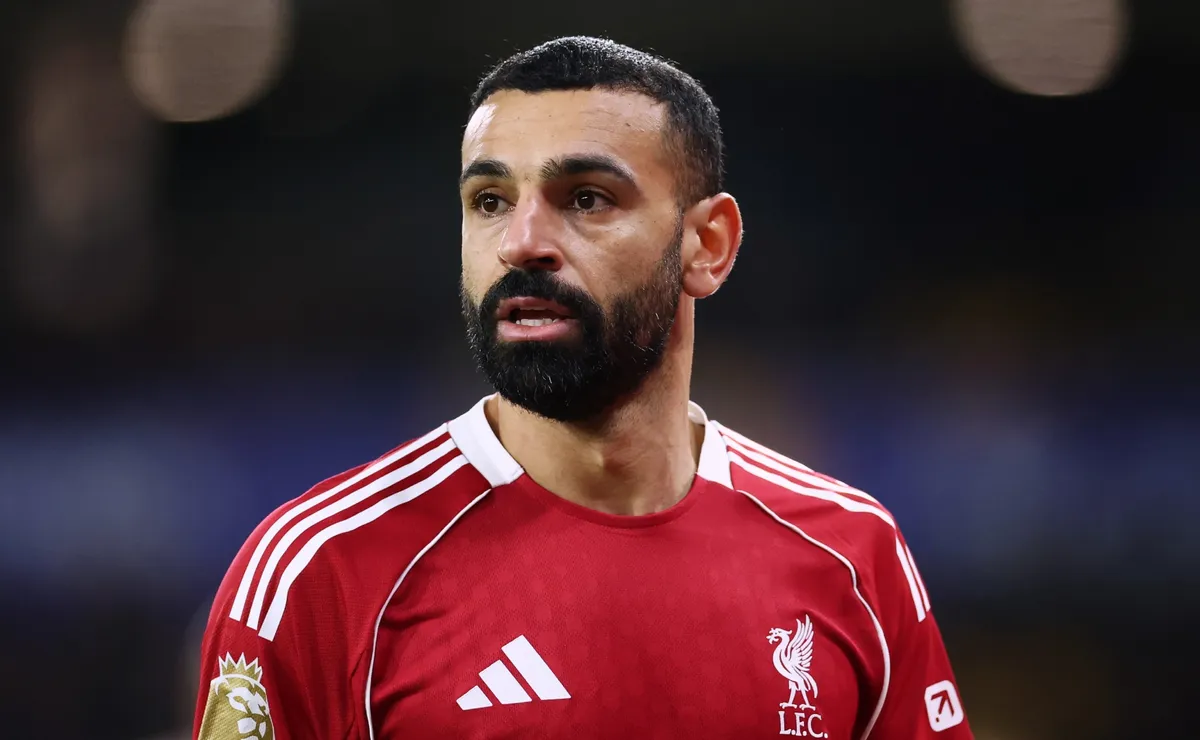
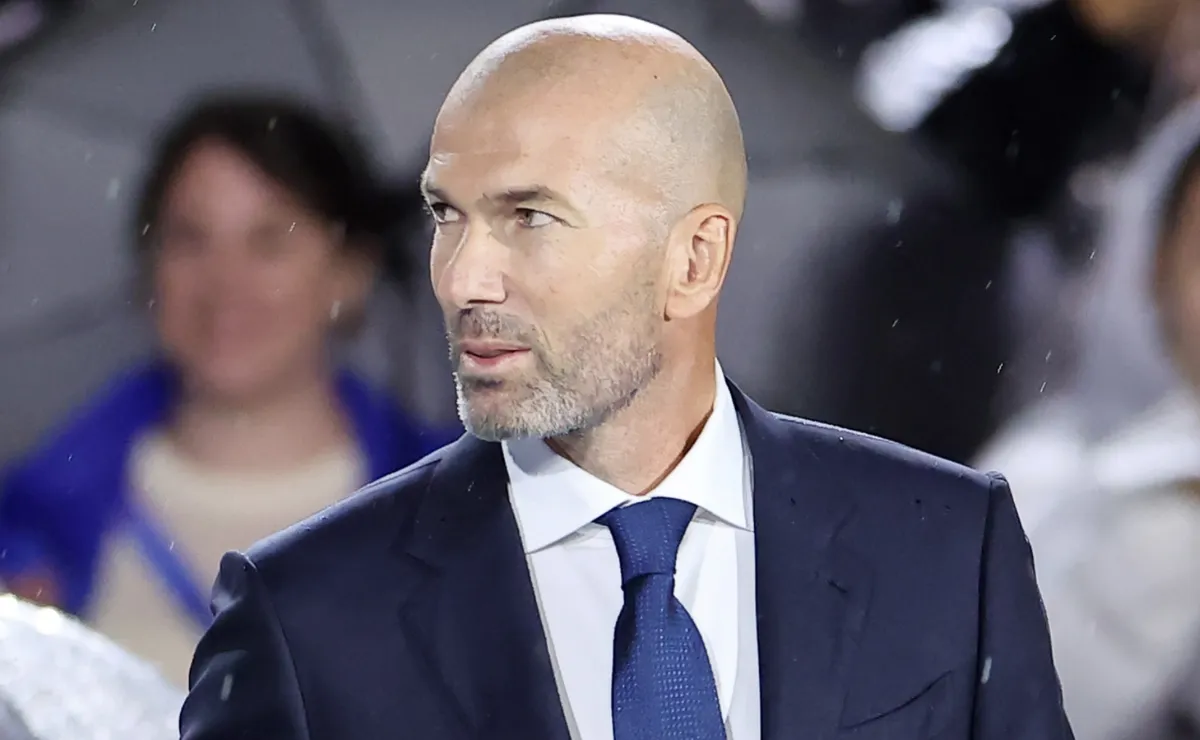
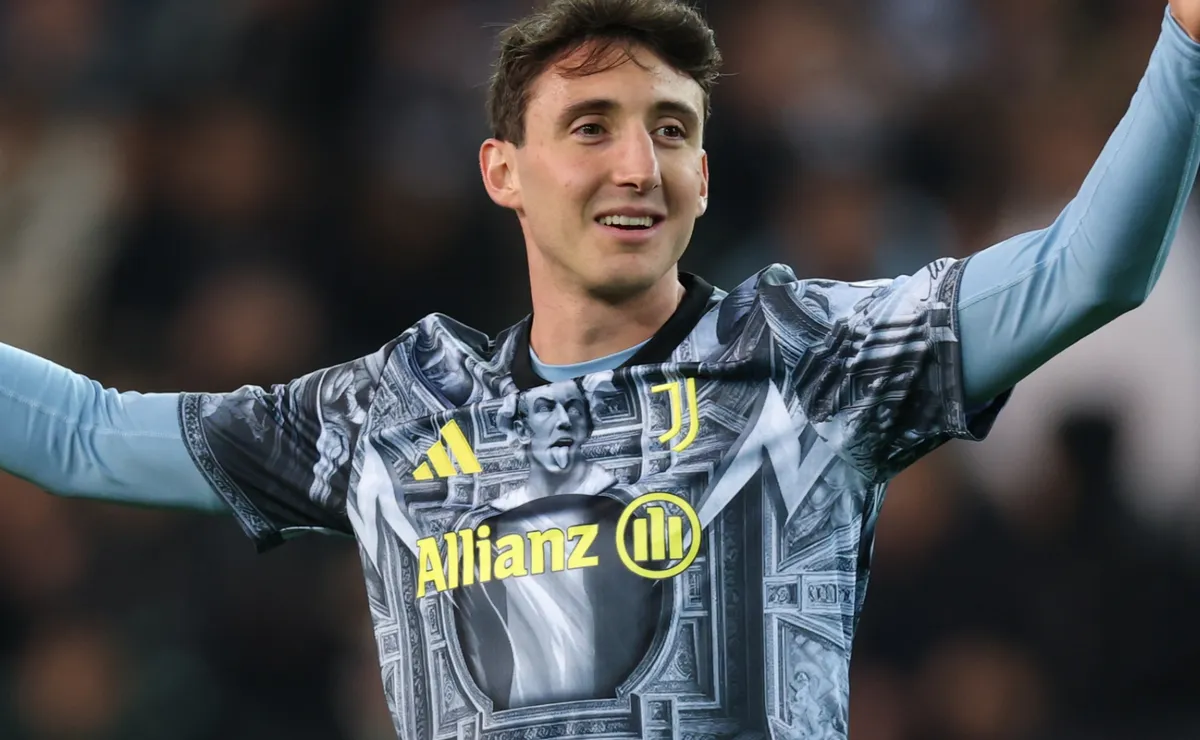
Klopp Rumors Reveal Why Elite Coaches Are Now Football’s Most Valuable Assets
Jürgen Klopp’s denial of Real Madrid speculation did more than cool a transfer rumor. It highlighted a bigger business reality: elite coaches are now treated as strategic assets whose contracts, brand value, and market leverage can shape club strategy before any deal is even discussed. For Red Bull, the situation also reinforces why long-term coaching commitments have become a core part of protecting organizational value.
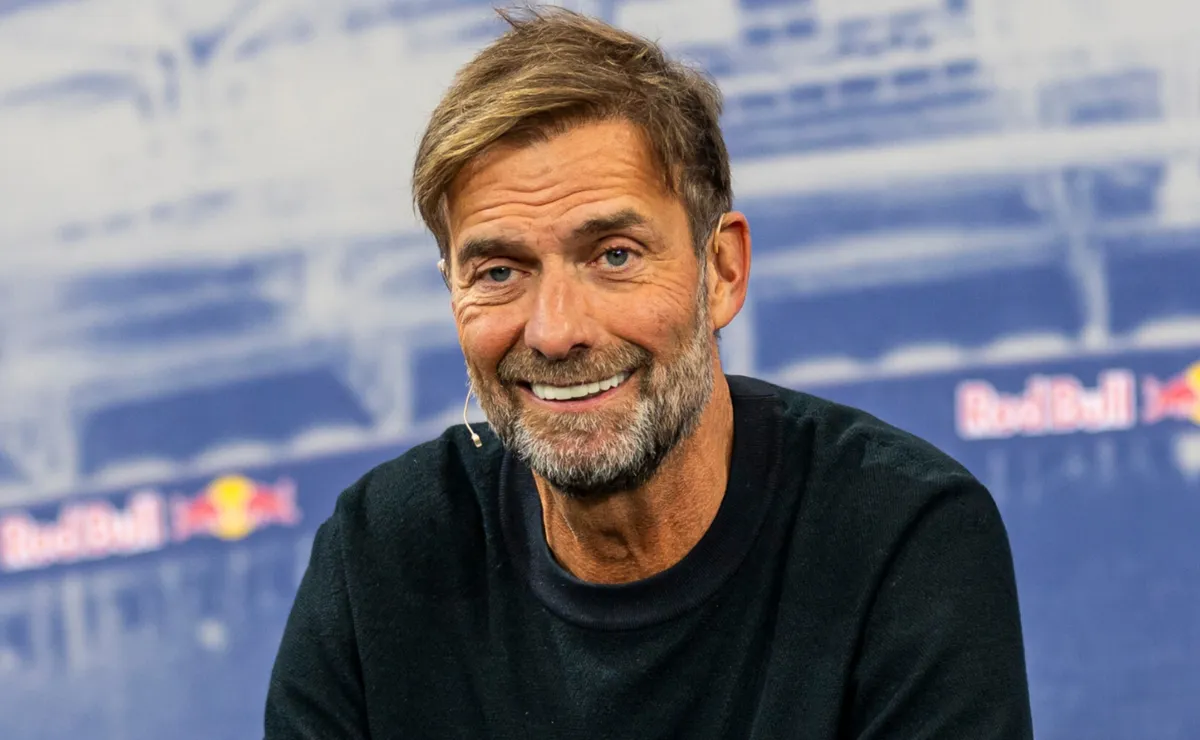
Jürgen Klopp’s latest comments did more than dismiss speculation about Real Madrid. They exposed a deeper shift in football’s business model, where elite managers are increasingly valued like premium assets and their names can move markets long before any formal approach is made.
Klopp, who remains under contract as Red Bull’s Head of Global Soccer through 2029, made clear that the chatter had outrun reality. He said Real Madrid had not contacted him and that no one from the club had reached out to his agent, drawing a sharp distinction between rumor and actual negotiation.
That distinction matters because it reflects how football now evaluates coaching talent at the top end of the market. A manager is no longer just a sporting appointment. He is a strategic investment, a brand signal, and a competitive message to sponsors, supporters, and rivals alike.
Equally significant was Klopp’s refusal to rule out coaching again in the future. In the executive market of football, that kind of language carries commercial weight. It keeps leverage alive, preserves optionality, and reminds clubs that timing and valuation are just as important as interest.
For Red Bull, the episode validates the logic of securing a globally recognized football figure on a long-term deal. Klopp’s value is not limited to matchday performance. His presence strengthens the company’s football portfolio, adds credibility across multiple markets, and reinforces its position in a talent economy where reputation is a competitive advantage.
Any potential departure would carry real financial and strategic consequences. With several years left on the contract, Red Bull would hold significant leverage, and any club seeking to hire him would likely face a substantial compensation package. In modern football, long-term contracts are not simply retention tools; they are mechanisms for protecting asset value.
Real Madrid’s place in the conversation is hardly surprising. As one of the most powerful brands in global sport, the club’s coaching decisions resonate far beyond the pitch. But the role is also among the most demanding in football, defined by immediate results, relentless scrutiny, and limited patience for transition.
That tension is what makes Klopp such an intriguing theoretical fit and such a difficult practical one. His most successful work has been built on long-term project development, cultural alignment, and sustained competitive growth. Real Madrid often operates on a shorter cycle, where expectations can clash with that model.
Even if a future move remains possible, the business reality is clear. This is not just another coaching rumor. It is a case study in how elite managers have become high-value strategic assets whose availability, contract structure, and cultural fit can influence sporting direction and commercial positioning at the same time.
For now, Klopp remains at Red Bull, where the remit extends beyond results and the platform is built for long-term influence. The fact that his name continues to surface around the sport’s biggest jobs shows how powerful the modern coaching market has become — and how disruptive it now is to football’s broader business landscape.
Why It Matters
Jürgen Klopp’s denial of Real Madrid speculation did more than cool a transfer rumor. It highlighted a bigger business reality: elite coaches are now treated as strategic assets whose contracts, brand value, and market leverage can shape club strategy before any deal is even discussed. For Red Bull, the situation also reinforces why long-term coaching commitments have become a core part of protecting organizational value.
Content Package
Klopp says Real Madrid hasn’t contacted him… but the real takeaway is bigger: football’s coaching market now works like a business. Klopp is Red Bull’s Head of Global Soccer with a deal through 2029. That long-term contract changes the power balance—meaning a rumor can move fast, while any real move depends on valuation, timing, and negotiation. At the elite level, managers aren’t just sporting hires. They’re brand signals, sponsor credibility, and competitive messaging. And even if Klopp could be a future candidate, the “fit” question is huge—Real Madrid often expects short-term results, while Klopp’s best work is built on longer-cycle projects. So yes, the rumor is denied… but the market reality is clear: coaching is now high-value, contract-driven strategy.
#FootballBusiness#JürgenKlopp#RealMadrid
Klopp’s Real Madrid denial isn’t just PR—it’s a window into football’s new coaching market. Elite managers move like assets: contracts, leverage, brand fit. Rumors run ahead of reality. #FootballBusiness
#FootballBusiness#JürgenKlopp#RealMadrid
Jürgen Klopp’s latest remarks about Real Madrid do more than shut down a rumor cycle—they reveal how the elite coaching market now operates like a financial and commercial ecosystem. Klopp, who serves as Red Bull’s Head of Global Soccer on a contract through 2029, made it clear that neither the club nor his agent has been contacted. That distinction matters. In today’s upper-tier football landscape, speculation doesn’t need a formal approach to become a business story. A coach’s name can circulate like a “premium asset,” shaping narratives for sponsors, supporters, and rivals long before any negotiation begins. Why the denial is significant - **Coaches aren’t only sporting decisions anymore.** At this level, hiring is tied to brand alignment, commercial credibility, and competitive signaling. - **Silence often signals leverage—not disinterest.** Timing, valuation, and contract structure can keep talks off the record while interest builds. - **Long-term deals are asset management.** With years left on Klopp’s contract, Red Bull holds strong negotiating power, raising the cost and complexity of any potential exit. The Real Madrid factor Real Madrid’s brand power makes any coaching conversation high-impact. But the job’s structure—immediate results, intense scrutiny, limited patience—can clash with managers whose best work is built on longer-cycle culture and development. The bigger takeaway Klopp’s situation underscores a shift: elite managers now function as strategic assets whose availability, contracts, and “fit” influence everything from sporting direction to commercial positioning. This isn’t just a coaching rumor—it’s a reminder that football’s next coaching market is increasingly driven by business mechanics. For now, Klopp remains at Red Bull, in an environment where the mandate is broader than matchday outcomes. Yet the fact his name continues to circulate around Europe’s biggest jobs shows how disruptive—and powerful—this market has become.
#FootballBusiness#JürgenKlopp#RealMadrid
Klopp shuts down Real Madrid chatter—but the real story? Elite coaches now move like business assets: contracts, leverage, brand fit. Football’s coaching market is evolving fast. ⚽️📈 #Klopp #RealMadrid #FootballBusiness #SportsMarketing #ManagerMarket #RedBull #CoachingRumors #Sponsorship
#FootballBusiness#JürgenKlopp#RealMadrid
Jürgen Klopp’s comments about Real Madrid have sparked more than headlines—they highlight how football’s coaching market has become a high-stakes business arena. Klopp says there’s been no contact, while his long-term role at Red Bull (through 2029) shows how contracts and leverage shape who’s truly available. The rumor cycle may move fast, but the negotiations are where the power really lives.
#FootballBusiness#JürgenKlopp#RealMadrid
Jürgen Klopp just shut down the Real Madrid rumors… but here’s what’s really interesting: this isn’t only a football story—it’s a business story. Klopp says nobody’s contacted him or his agent, and he’s under contract with Red Bull through 2029. That matters because in modern football, top coaches don’t just “become available”—they’re treated like strategic assets. Rumors spread like they’re news, but the real decisions come down to timing, valuation, and contract leverage. And for clubs like Real Madrid, the job demands immediate results—so “fit” is as important as the name. So the next time you hear a coaching rumor, remember: the negotiation is often happening behind the scenes.
#FootballBusiness#JürgenKlopp#RealMadrid
Klopp shuts down Real Madrid talks… but the rumor machine moves fast. In 2026, managers are *assets*—contracts, leverage, brand impact. 👀⚽️ #FootballBusiness #CoachingMarket #Klopp #RealMadrid #SportManagement #SportsMarketing #RedBull
#FootballBusiness#CoachingMarket#JürgenKlopp#RealMadrid#SportsManagement
Klopp’s Real Madrid “no contact” denial shows football’s coaching market is now an asset economy. Contracts, timing, leverage—rumors move like premium stock before any talks begin. #FootballBusiness
#FootballBusiness#CoachingMarket#JürgenKlopp#RealMadrid#SportsManagement
Jürgen Klopp’s latest comments about Real Madrid did more than quell speculation—they highlighted how elite coaching has become a high-stakes, commercial asset market. Klopp confirmed that Real Madrid had not approached him and that no one had contacted his agent. That matters because it shows the rumor cycle is often ahead of formal negotiations—valuation and leverage are being assessed in parallel with (or even before) any official outreach. What’s changed is the role of the modern manager. In today’s game, elite coaching decisions aren’t only football decisions; they directly influence: • brand positioning and global visibility • sponsor confidence and commercial signaling • fan expectations and competitive narrative Klopp is also a key example of how contract structure functions as asset protection. With his Red Bull role secured through 2029, the club is in a strong position: any interested party would likely face a substantial compensation hurdle. In modern football, contract length isn’t just retention—it’s a financial and strategic buffer. From Red Bull’s perspective, securing a globally recognized football executive strengthens more than matchday performance. It adds credibility across markets, reinforces the organization’s football portfolio, and supports its long-term talent and leadership ecosystem. Meanwhile, Real Madrid’s interest isn’t surprising. The club’s global brand means any head-coach decision carries implications far beyond tactics. But the job itself demands immediate results and leaves little room for transition—an environment that can clash with Klopp’s strengths in longer-term culture-building and sustained development. Bottom line: this isn’t simply a “who might go where” rumor. It’s a reminder that the elite coaching market has evolved into a strategic marketplace where availability, cultural fit, and contract terms shape sporting direction and commercial strategy at the same time. Klopp remains at Red Bull for now—but the fact his name keeps circulating around Europe’s biggest jobs shows just how disruptive—and how powerful—this new coaching asset economy has become.
#FootballBusiness#CoachingMarket#JürgenKlopp#RealMadrid#SportsManagement
Jürgen Klopp denied any contact from Real Madrid, but the episode reveals a bigger shift in football: coaching decisions are now treated like high-value business assets. As his contract with Red Bull runs through 2029, any potential move would come with major financial and strategic consequences. The rumors may start early—but the real negotiations are about timing, leverage, and fit. What do you think: are managers more “football leaders” or “commercial investments” now?
#FootballBusiness#CoachingMarket#JürgenKlopp#RealMadrid#SportsManagement
Jürgen Klopp just shut down the Real Madrid rumors—saying the club hasn’t approached him and his agent wasn’t contacted. But here’s what’s really interesting: this isn’t just a headline about where a manager might go. In modern football, coaches are treated like premium assets. Their value depends on contract length, timing, and leverage—so rumors can move long before any official talks. Klopp is under contract with Red Bull through 2029, which means Red Bull has protection—and any club interested would face a serious cost. So the real takeaway? The coaching market is now a business arena, not just a football conversation. Do you think Real Madrid would be a cultural fit for Klopp—or is the job too high-pressure for his style?
#FootballBusiness#CoachingMarket#JürgenKlopp#RealMadrid#SportsManagement
Klopp denied Real Madrid contact—no approach, no agent message. But the bigger story is what this shows about football now. Coaches aren’t just “team leaders” anymore—they’re strategic assets. Their availability is priced through contracts, leverage, and timing. Klopp is tied to Red Bull through 2029, so any move would require more than interest—it would need major compensation and a clear commercial strategy. That’s why rumors start early: clubs, brands, and executives are basically assessing value before negotiations even begin. So when you see a manager’s name linked to a top job, remember—this is an asset market in disguise. Agree or disagree: are coaching rumors the new transfer market?
#FootballBusiness#CoachingMarket#JürgenKlopp#RealMadrid#SportsManagement
Klopp’s Real Madrid denial isn’t just a rumor check—it’s a business lesson. Elite managers now act like premium assets: one name can move markets, while contracts protect leverage and value across Europe. #FootballBusiness
#FootballBusiness#CoachingMarket#JürgenKlopp
Jürgen Klopp’s latest comments about Real Madrid did more than shut down speculation—they highlighted a major shift in how football evaluates elite coaching talent. Klopp made clear that Real Madrid had not approached him and that no contact had been made with his agent. That distinction matters because it draws a line between “market chatter” and actual negotiations. In today’s game, the chatter itself is powerful—but the business moves happen only when contracts, timing, and leverage align. Why this matters: the modern coaching market At the highest level, a top coach is no longer simply a sporting hire. He’s treated as a strategic investment: - A brand signal to sponsors and supporters - A competitive statement to rivals - A reputational asset that can strengthen an entire football portfolio Klopp’s long-term deal with Red Bull through 2029 reinforces the logic of valuation and retention. With several years left, Red Bull holds meaningful leverage—meaning any club interested in hiring him would likely face a substantial compensation package. In modern football, contract length doesn’t just keep talent in place; it protects the asset’s market value. The Real Madrid factor Real Madrid remains one of the most influential global brands in sport, so its coaching “cycle” reverberates far beyond the pitch. But the club’s expectations—often immediate—can clash with the long-term cultural and project-building approach Klopp is known for. The bigger takeaway This isn’t just another rumor. It’s a window into how elite managers have become high-value, business-critical assets. Their availability, contractual structure, and cultural fit can shape sporting direction and commercial positioning at the same time. For now, Klopp stays with Red Bull—and the fact his name keeps circulating for the biggest jobs shows how disruptive the modern coaching market has become. #FootballBusiness #SportsManagement #CoachingMarket #JürgenKlopp #RealMadrid #PremierLeague
#FootballBusiness#CoachingMarket#JürgenKlopp
Klopp shuts down the Real Madrid chat—but the bigger story is the BUSINESS: elite coaches are now premium assets. Contracts, leverage, brand power. 📈⚽️ #FootballBusiness #Coaching #SportsMarketing #JürgenKlopp #RealMadrid #RedBull #UEFA #TransferMarket
#FootballBusiness#CoachingMarket#JürgenKlopp
Jürgen Klopp’s Real Madrid rumors may have been denied—but the business implications are real. The article breaks down how elite coaches are now treated like valuable assets, where contracts, leverage, and brand impact drive negotiations long before any formal approach is made.
#FootballBusiness#CoachingMarket#JürgenKlopp
Jürgen Klopp just shut down Real Madrid rumors… but here’s what’s really interesting: the modern coaching market treats elite managers like premium assets. Klopp said no one from Real Madrid contacted him or his agent—so the chatter was ahead of the facts. And that’s the point. In today’s game, a coach isn’t only hired for tactics. He’s a brand signal, a reputational boost, and a strategic investment. With Klopp under contract with Red Bull through 2029, any potential move would come with serious leverage and compensation. So when Klopp’s name circulates around Europe’s biggest jobs, it shows how much the business of football has changed. Agree—are coaches the most valuable assets in football now?
#FootballBusiness#CoachingMarket#JürgenKlopp
Klopp denied Real Madrid contact—but the real story is bigger than a rumor. In modern football, elite managers are treated like premium assets. One name can spark movement across Europe before any formal approach happens. Klopp made it clear: no contact, no agent discussions—just speculation. But that speculation matters because coaching is now tied to brand, sponsors, and competitive positioning, not just match results. And with Klopp contracted to Red Bull through 2029, the club holds major leverage. Any interested team would likely need a significant compensation package. So what does this mean? Elite coaches don’t just manage games—they shape the business direction of clubs. Do you think coaching has become football’s most valuable asset? Like and subscribe.
#FootballBusiness#CoachingMarket#JürgenKlopp
Klopp denied Real Madrid contact—yet the rumor spread shows how elite coaches are now “premium assets.” In modern football, contracts, timing, and leverage matter as much as tactics. #FootballBusiness
#FootballBusiness#Klopp#RealMadrid#CoachingMarket#SportsStrategy
Jürgen Klopp’s Real Madrid rumor denial does more than close a speculation loop—it highlights how elite managers have become disruptive, high-value assets in football’s executive market. Klopp clarified that Real Madrid hasn’t approached him and that no one from the club has contacted his agent. Business takeaway: in today’s coaching economy, a name can gain traction across Europe before any formal negotiation begins. The “rumor cycle” itself functions like market signaling—impacting perception with sponsors, supporters, and rival clubs. Why it matters: a top coach is no longer only a sporting appointment. At the highest level, the manager is: • A brand signal to global partners • A competitive statement to the market • A strategic investment with commercial and reputational value Crucially, Klopp also left the door open to the future. In executive talent markets, that language is leverage. Timing, valuation, and contractual structure become the real currencies behind any potential move. From Red Bull’s perspective, the long-term contract (through 2029) protects value on multiple fronts. Klopp’s role is reputational as well as operational—strengthening the football portfolio, credibility across regions, and resilience in a talent economy that is increasingly competitive. And for any club considering a move, contract length changes the math: retention isn’t just about keeping a coach—it’s about safeguarding the asset’s price, negotiating power, and strategic continuity. Real Madrid’s presence in the conversation is understandable. The club’s brand reach is global, and coaching decisions reverberate beyond the pitch. But the job’s short-fuse demands can clash with Klopp’s strengths—long-term cultural building and sustained competitive growth. Bottom line: this isn’t “just another coaching rumor.” It’s a window into football’s new reality, where elite managers operate as high-value strategic assets—shaping sporting direction and commercial positioning at the same time. What do you think: is the coaching market becoming more like corporate executive hiring—or is football still fundamentally different?
#FootballBusiness#Klopp#RealMadrid#CoachingMarket#SportsStrategy
Klopp shut down the Real Madrid chatter—but the *business* story is bigger: elite managers are now premium assets. Contracts, leverage, and brand value drive the market. ⚽️📈 #FootballBusiness #Klopp #RealMadrid #CoachingMarket #SportsMarketing
#FootballBusiness#Klopp#RealMadrid#CoachingMarket#SportsStrategy
Jürgen Klopp’s denial of Real Madrid contact highlights a major shift in football: elite coaches are treated like strategic, high-value assets. Even rumors can shape the market before any formal talks begin—showing how contract length, leverage, and brand impact now matter as much as tactics.
#FootballBusiness#Klopp#RealMadrid#CoachingMarket#SportsStrategy
Klopp just denied Real Madrid contact… but the bigger story isn’t the rumor—it’s the business behind it. In modern football, elite coaches aren’t only hired for results. They’re treated like premium assets: brand signals, sponsor magnets, and competitive statements. Notice how Klopp’s wording matters—he shut down contact, but left the door open. That’s leverage in executive language. And with long-term contracts, clubs can’t just “take” a manager anymore—they have to pay for the value. This is what disruptive coaching markets look like now. Agree or disagree—are managers becoming football’s most valuable executives?
#FootballBusiness#Klopp#RealMadrid#CoachingMarket#SportsStrategy
Klopp denied Real Madrid contact—but this rumor reveals something bigger. Elite managers are now “premium assets” in football’s business market. A coach’s name can spread across Europe and influence perceptions before any formal talks happen. That means coaching decisions are tied to brand, sponsors, and competitive positioning—not just tactics. Klopp also left room for a future move, and in executive markets, that kind of language is leverage. Plus, long-term contracts protect value: clubs can’t simply poach top talent without compensation that matches the asset. So this isn’t just another headline—it’s a window into how disruptive the coaching economy has become. What’s your take: are managers now more like corporate executives than football tacticians?
#FootballBusiness#Klopp#RealMadrid#CoachingMarket#SportsStrategy