
Sports Media & Broadcasting
Media rights deals, streaming wars, broadcast innovation, and the future of sports content distribution.
50 articles
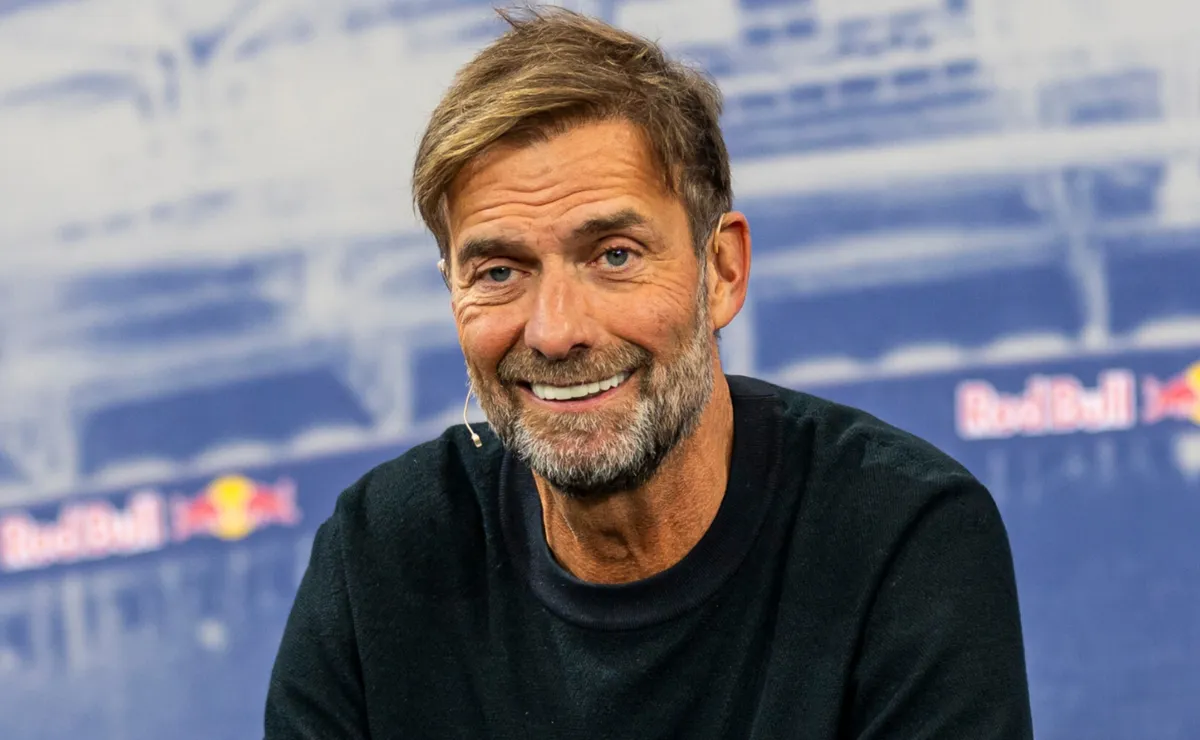
Klopp Rumors Reveal Why Elite Coaches Are Now Football’s Most Valuable Assets
Jürgen Klopp’s denial of Real Madrid speculation did more than cool a transfer rumor. It highlighted a bigger business reality: elite coaches are now treated as strategic assets whose contracts, brand value, and market leverage can shape club strategy before any deal is even discussed. For Red Bull, the situation also reinforces why long-term coaching commitments have become a core part of protecting organizational value.
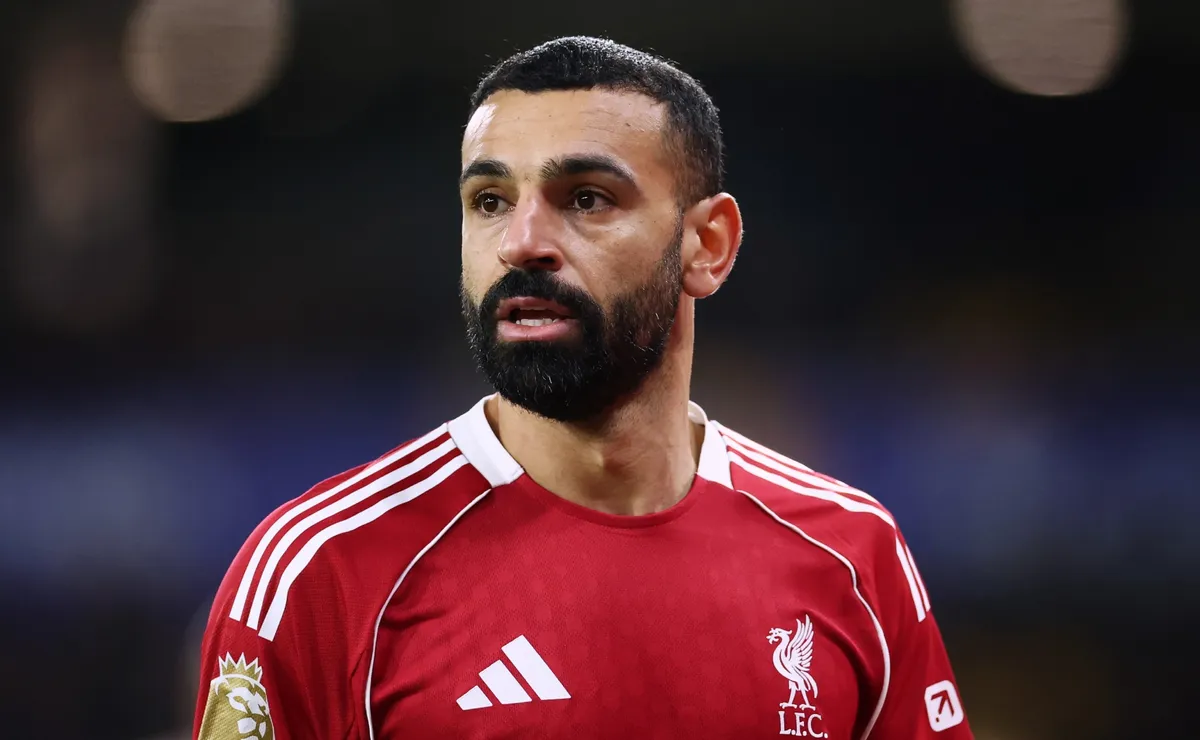
Mohamed Salah’s Liverpool exit ends a commercial era that helped redefine the club’s global value
Mohamed Salah’s decision to leave Liverpool at the end of the 2025-26 season is more than a footballing transition. It marks the close of a nine-year era that accelerated the club’s global reach, strengthened its commercial profile and turned one player into a major business asset. Liverpool now faces a dual challenge: replacing a generational scorer on the pitch while also filling the brand and revenue void left behind. In today’s football economy, that means succession planning will be measured as much by market impact as by goals.
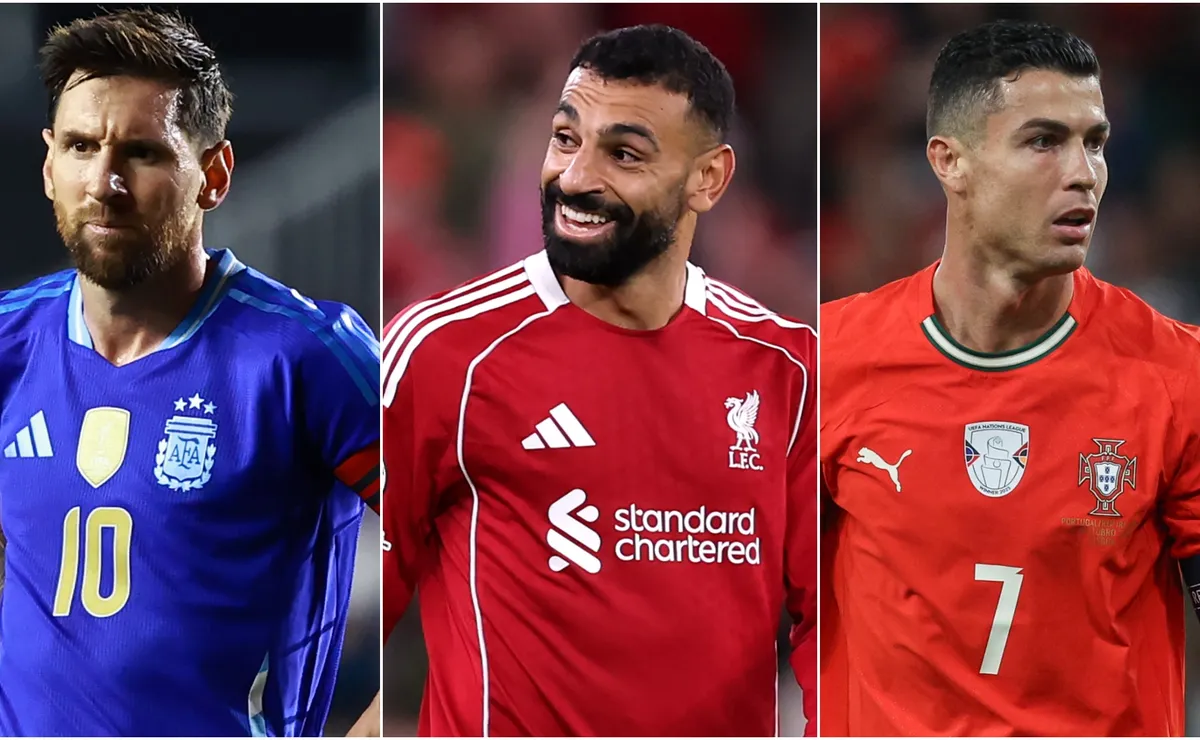
Mohamed Salah’s Next Move Could Redraw Soccer’s Commercial Power Map
Mohamed Salah’s next destination is no longer just a sporting question; it is a high-stakes commercial contest with implications for league valuation, sponsorship leverage and global audience growth. Whether he lands in Saudi Arabia, MLS or remains in Europe, the outcome could signal where soccer’s economic center of gravity is shifting next.
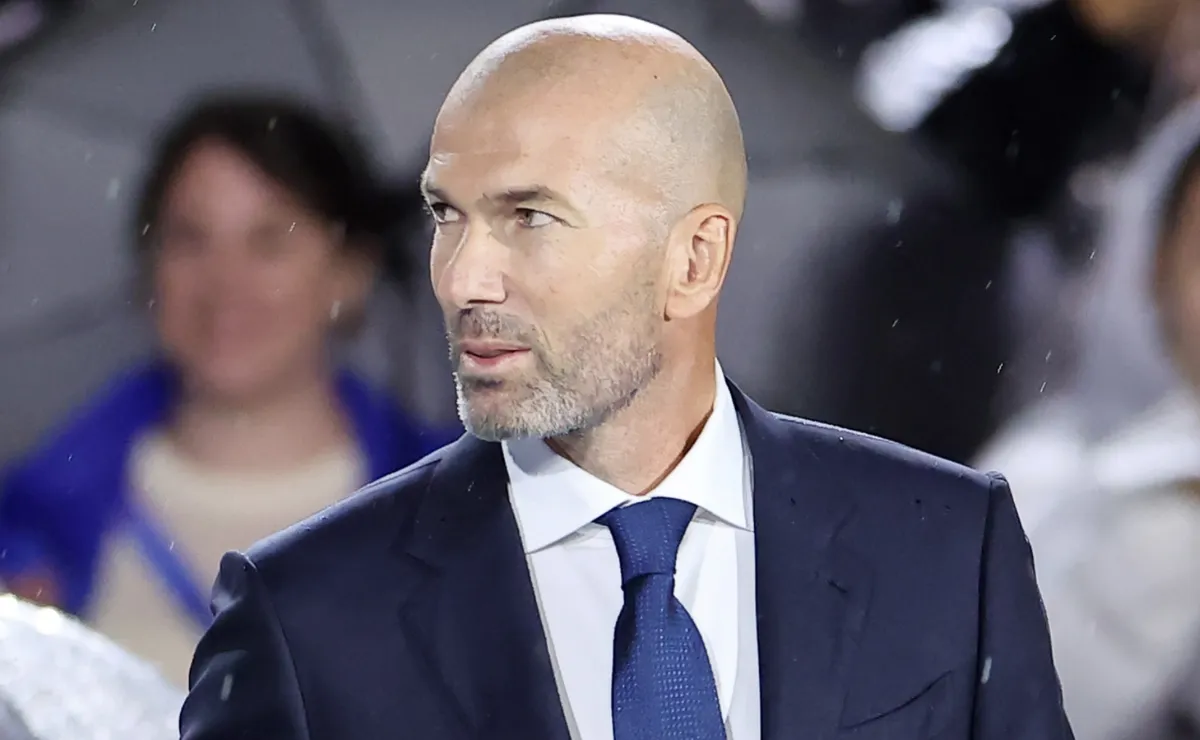
Zinedine Zidane’s France move could reset the coaching market and reshape Real Madrid’s plans
Zinedine Zidane’s expected path to the France job carries consequences far beyond international football. The move would strengthen the French federation’s commercial position while closing the door on a potential Real Madrid reunion and forcing one of Europe’s biggest clubs to adjust its long-term coaching strategy.
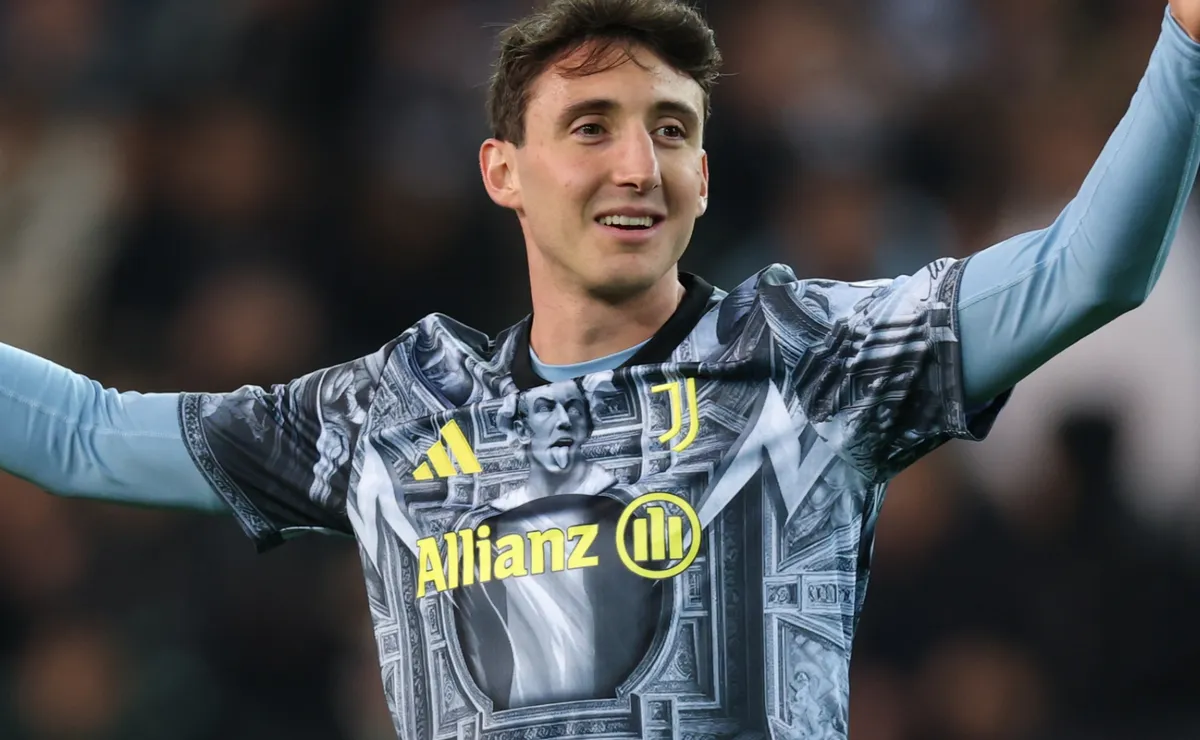
Juventus’ $50M Cambiaso price tag reveals Barcelona’s transfer-market ceiling
Juventus’ reported $50 million valuation of Andrea Cambiaso has turned Barcelona’s left-back search into a financial litmus test. The asking price underscores how elite fullbacks have become premium assets, while Barcelona’s constrained budget forces a hard choice between ambition and balance-sheet discipline.
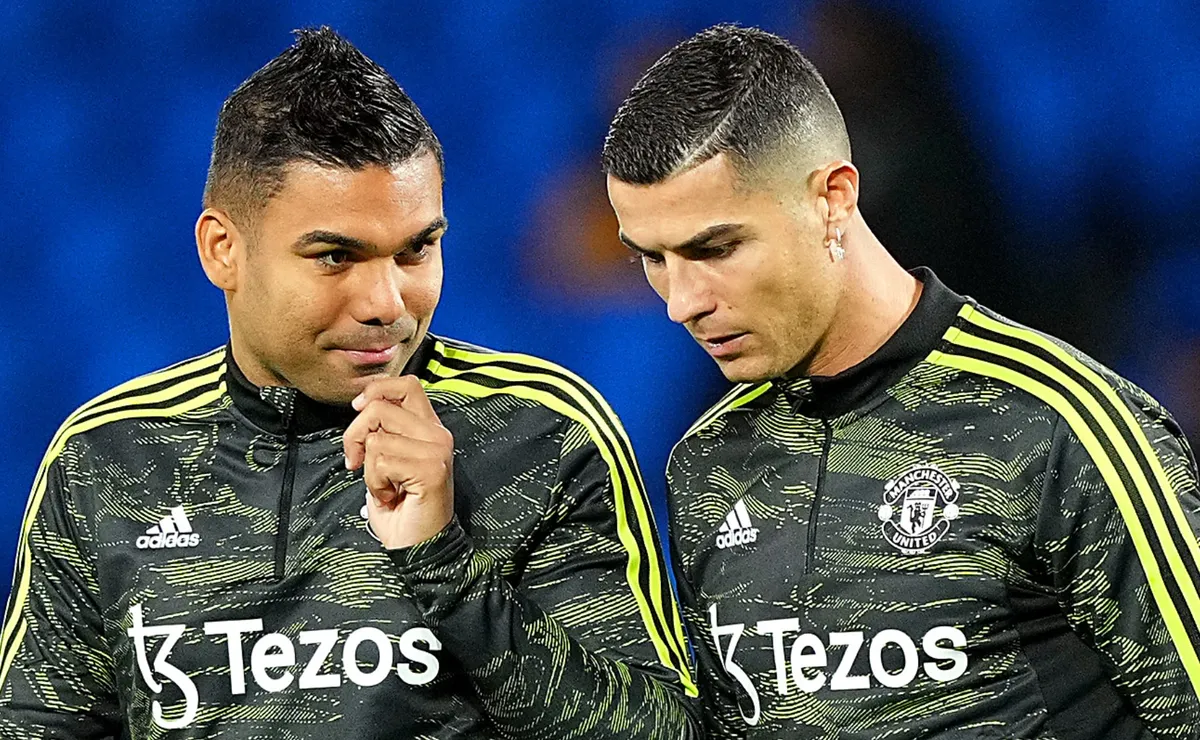
Saudi Clubs Are Using Casemiro as a Test Case for Smarter Transfer Spending
Casemiro’s potential move to Saudi Arabia is no longer just about star power; it is becoming a measure of how disciplined the Saudi Pro League has become in its recruitment strategy. Clubs are increasingly weighing veteran talent against wage structure, squad fit, and commercial return, signaling a more mature transfer market.
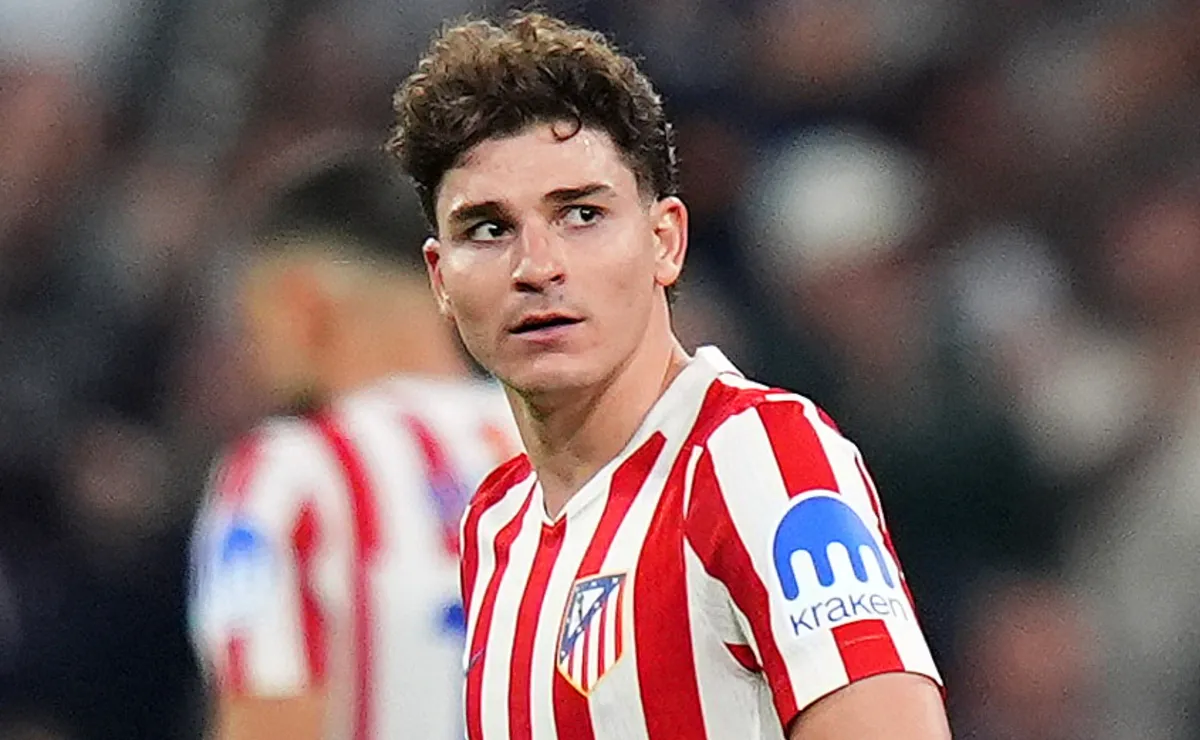
Barcelona’s Álvarez Pursuit Reveals the New Transfer Reality: Sellers Hold the Power
Barcelona’s interest in Julián Álvarez is less a traditional transfer chase than a case study in modern football leverage. Atlético Madrid are using contract control, salary escalation, and a premium valuation to force the market on their terms, highlighting how seller power is reshaping elite player movement.

Bayern Munich’s Davies reset could trigger a Premier League transfer market ripple
Bayern Munich’s willingness to revisit Alphonso Davies’ role signals a bigger shift in football economics: even elite assets can lose strategic value when injuries, wages, and tactical fit stop lining up. That recalibration could open the door for Premier League clubs, with Manchester United emerging as the most obvious buyer if the price and structure make sense.
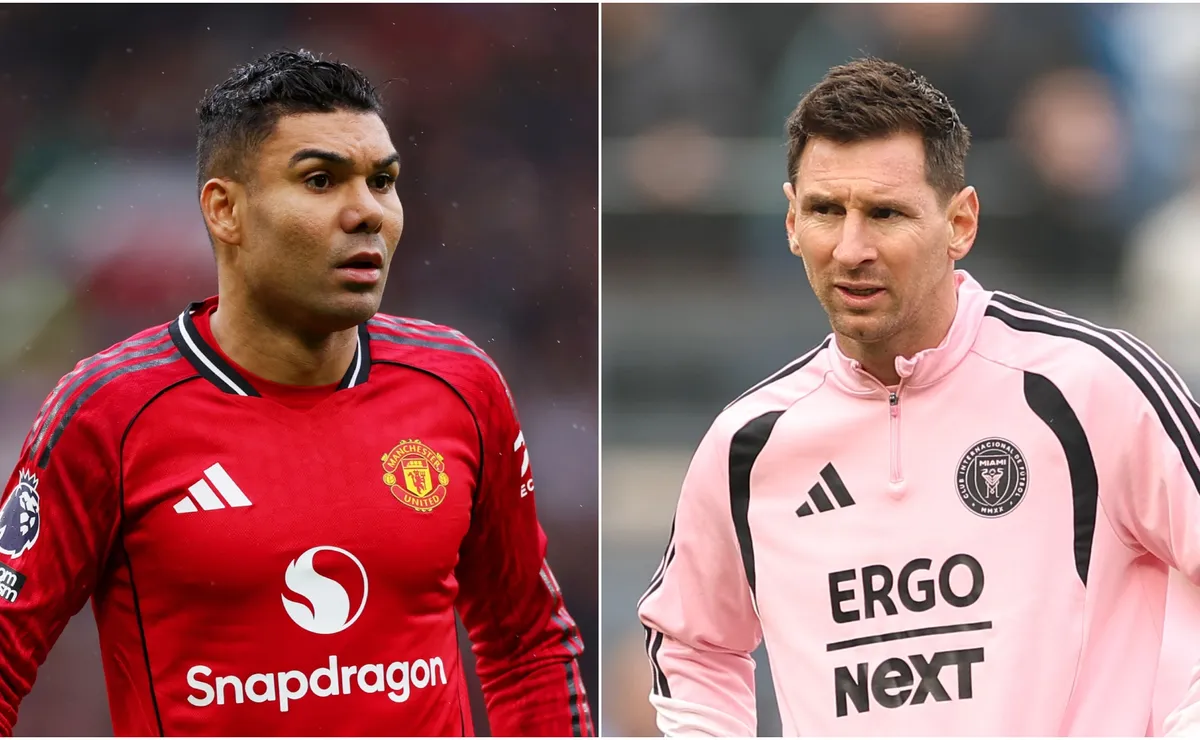
Casemiro pursuit signals MLS has entered its business-first transfer era
Inter Miami’s reported interest in Casemiro highlights how MLS clubs are increasingly evaluating elite signings through a commercial lens, not just a sporting one. For top franchises, a marquee addition can drive sponsorship value, media attention, merchandise sales, and global brand reach alongside on-field performance.
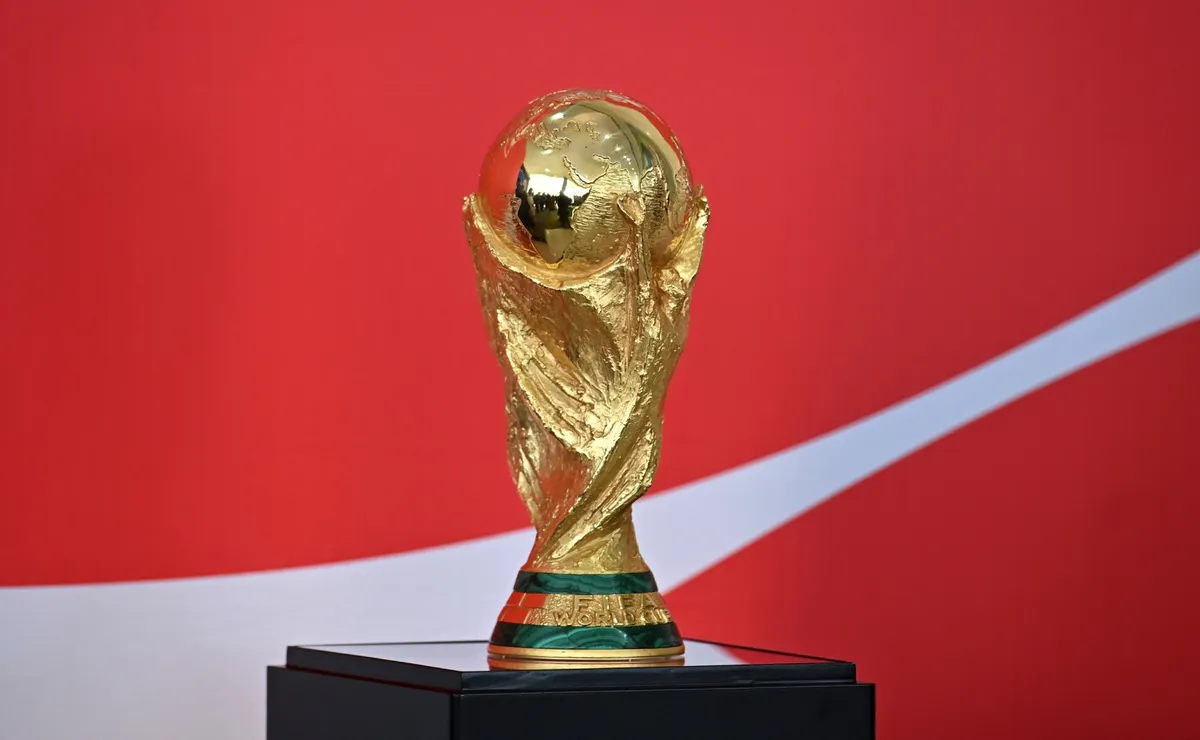
FIFA’s 2026 World Cup rule reset is a business play for faster, cleaner, more valuable football
FIFA’s planned rule changes for the 2026 World Cup are about more than officiating. By tightening time management, expanding VAR, and limiting player-referee confrontations, the sport is trying to improve match flow and strengthen the value of its premium broadcast product. The overhaul also signals a broader shift: football’s biggest tournament is being used as a live test bed for rules designed to protect attention, credibility, and commercial returns.
Klopp’s Madrid Denial Shows How Elite Managers Have Become Premium Sports Assets
Jürgen Klopp’s rejection of Real Madrid speculation did more than end a rumor cycle; it underscored how top managers now function as high-value business assets. In modern football, elite coaching talent shapes brand equity, strategic planning, and organizational stability as much as on-field results.
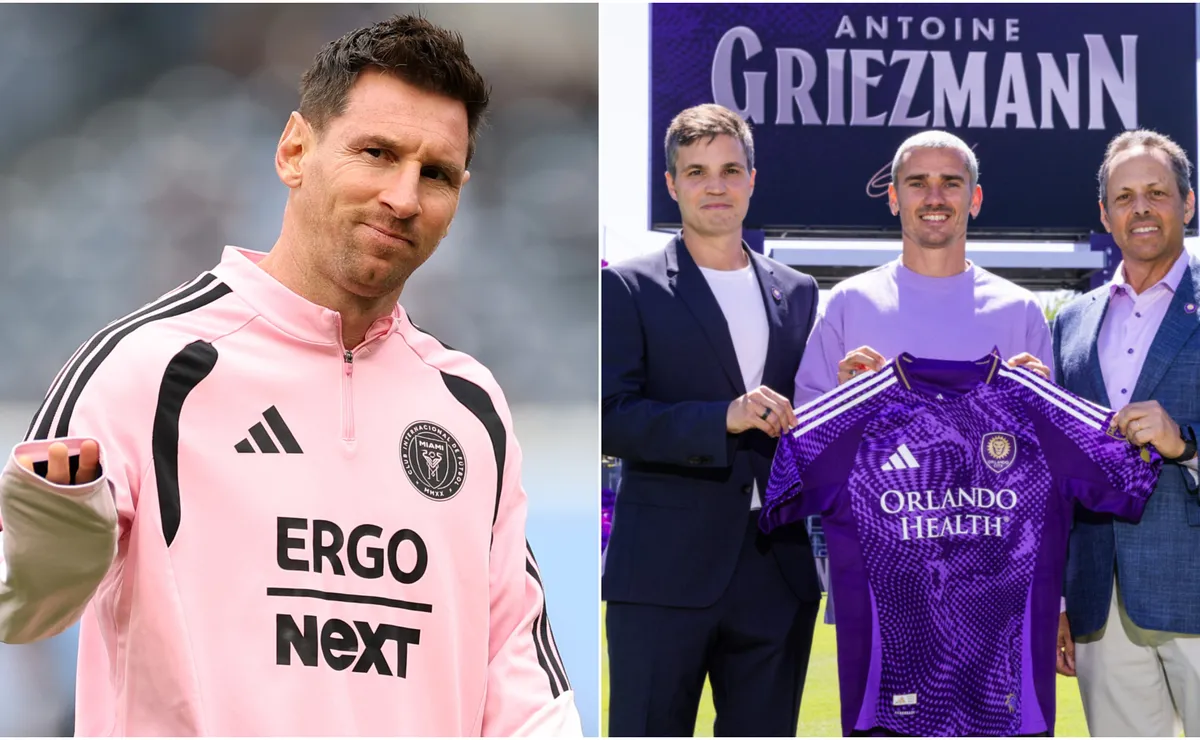
Orlando City’s Griezmann deal shows MLS is now buying future value, not just star power
Orlando City’s reported agreement for Antoine Griezmann highlights a major shift in Major League Soccer’s business strategy: clubs are no longer only chasing late-career stars, but also structuring deals around future commercial upside. With Griezmann set to arrive in 2026, the move is as much about brand building, sponsorship leverage, and long-term fan engagement as it is about on-field performance.