FIFA’s 2026 World Cup rule reset is a business play for faster, cleaner, more valuable football
FIFA’s planned rule changes for the 2026 World Cup are about more than officiating. By tightening time management, expanding VAR, and limiting player-referee confrontations, the sport is trying to improve match flow and strengthen the value of its premium broadcast product. The overhaul also signals a broader shift: football’s biggest tournament is being used as a live test bed for rules designed to protect attention, credibility, and commercial returns.
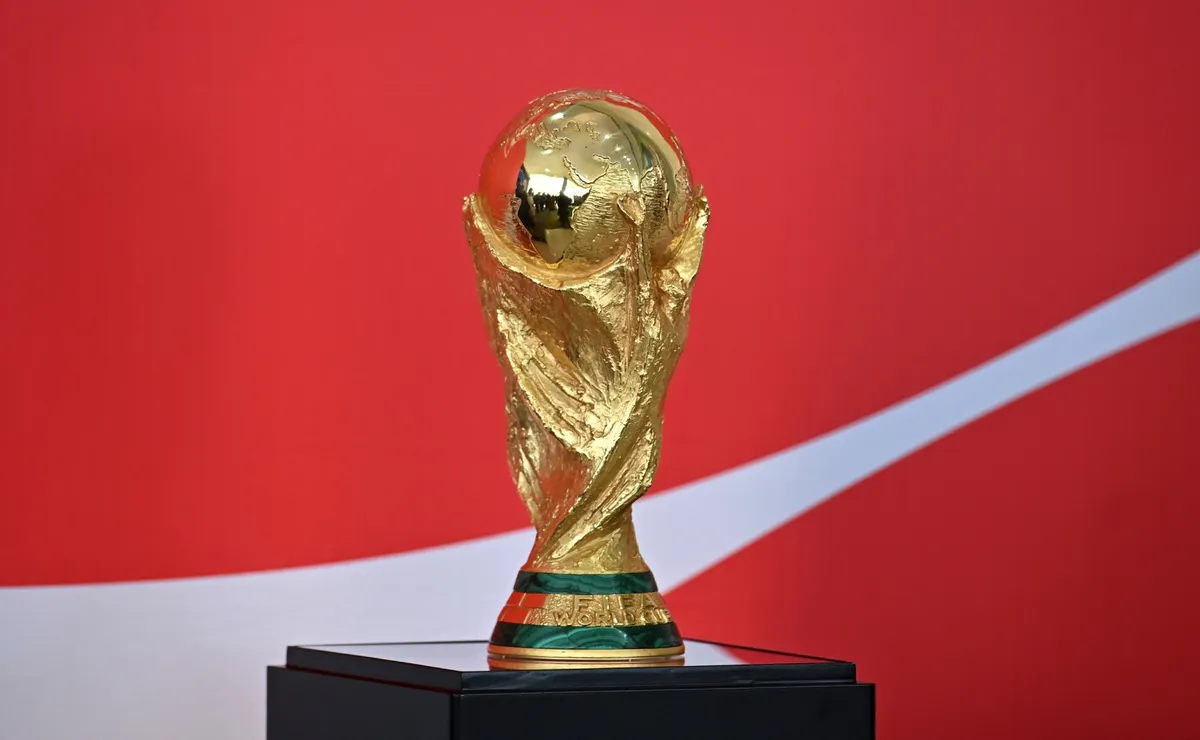
FIFA is preparing to reshape the 2026 World Cup with a package of rule changes designed to speed up match flow, reduce gamesmanship, and give officials greater control over decisive moments. As the tournament heads to North America, the bigger message is hard to miss: match management is now a product issue as much as a sporting one, with direct implications for broadcasters, sponsors, and audience engagement.
The updates were developed through the International Football Association Board after months of review and testing in competitions such as the Arab Cup and the U-20 World Cup. That phased rollout reflects a broader shift in elite football, where rule innovation increasingly resembles product development. The sport’s most powerful bodies are trialing changes in lower-profile environments before introducing them on the game’s most valuable commercial stage.
Time management is becoming a commercial priority
One of the most significant changes is a stricter substitution protocol. Players leaving the field will have a maximum of 10 seconds to exit, and failure to comply will not result in a yellow card for the departing player. Instead, the incoming substitute will be forced to wait one minute before entering, leaving the team temporarily short-handed.
The rule is aimed at one of football’s most common delay tactics, but the business impact is just as important. For broadcasters and rights holders, reducing dead time improves pacing, protects viewer attention, and makes the live product more predictable. In a crowded entertainment market, every stoppage competes with other content, and tempo now carries measurable commercial value.
The same logic applies to restarts. At the 2026 World Cup, teams will face a five-second countdown for both throw-ins and goal kicks, with possession handed over if the limit is exceeded. The intent is to discourage tactical stalling, especially from teams protecting a late lead.
Another delay-reduction measure targets medical treatment. Any player receiving attention on the pitch must leave and remain off the field for one minute before returning, with exceptions for goalkeeper injuries and incidents involving fouls that lead to cards. The aim is to prevent injury stoppages from becoming a tempo-management tool.
VAR is moving deeper into match control
The tournament will also serve as a testing ground for a broader video review mandate. Previously limited to red cards and penalty decisions, VAR will now extend to second yellow cards that lead to dismissal and incorrect corner-kick awards.
That expansion matters because it pushes video review deeper into the operational core of the match. FIFA’s objective is to reduce high-impact officiating errors without turning the system into a constant interruption. From a commercial standpoint, more accurate decisions help strengthen trust in the competition, which is critical for protecting media-rights value, sponsor confidence, and fan credibility.
Referee authority is being tightened
FIFA is also formalizing a rule under which only captains may approach referees to challenge decisions. While the principle has existed in some form, enforcement will now come with a direct penalty. Any player other than the captain who confronts the referee over a call will automatically receive a yellow card.
The goal is to streamline communication, limit crowding around officials, and reduce the emotional flashpoints that slow matches and create unnecessary disruption. For the commercial ecosystem, cleaner officiating environments support a more consistent viewing experience — a major advantage for broadcasters and sponsors trying to hold attention across a long tournament schedule.
A live test case for football’s next operating model
The 2026 World Cup is becoming more than a tournament. It is emerging as a live laboratory for how football intends to modernize its rules, manage its product, and protect competitive integrity at the sport’s largest scale.
For broadcasters, sponsors, and venue operators, the implications are substantial. Faster restarts, fewer delay tactics, and expanded officiating tools can all improve match flow and reduce uncertainty in the broadcast product. At the same time, tighter enforcement may alter tactical behavior, shift momentum management, and change how teams approach high-pressure matches.
In practical terms, the 2026 World Cup is being positioned as a showcase for football’s next operating model. The rule overhaul suggests a sport trying not only to improve fairness, but also to make its premier event more watchable, more efficient, and more valuable in an increasingly competitive global media market.
Why It Matters
FIFA’s planned rule changes for the 2026 World Cup are about more than officiating. By tightening time management, expanding VAR, and limiting player-referee confrontations, the sport is trying to improve match flow and strengthen the value of its premium broadcast product. The overhaul also signals a broader shift: football’s biggest tournament is being used as a live test bed for rules designed to protect attention, credibility, and commercial returns.
Content Package
World Cup 2026 is getting faster 👀⏱️ Sub & restart timing tightened, medical delays curbed, VAR expanded, and only captains can challenge refs. Modern football, better flow. #WorldCup2026 #VAR #FIFA #FootballNews #MatchOfficials #Tactics #SportsBusiness #IFAB
#WorldCup2026#FIFA#FootballNews
FIFA’s 2026 World Cup rule overhaul is all about control + tech: 10s subs clock, 5s restart countdowns, medical delays with cost, expanded VAR, and captain-only referee challenges. Faster, tighter, more measurable.
#FIFA#WorldCup2026#VAR
FIFA’s 2026 World Cup rule overhaul signals a major shift toward a more tightly controlled, tech-driven tournament—one designed to reduce time-wasting, stabilize match flow, and standardize officiating outcomes. Here’s what matters most from a business and operations perspective: 1) Substitutions on the clock A strict 10-second limit for substituted players to leave, with a team-based penalty (replacement must wait one minute), directly targets dead time. It’s not just enforcement—it’s broadcast pacing and disruption minimization. 2) Restarts with a five-second countdown Goal kicks and throw-ins will face a five-second limit, with possession surrendered if exceeded. This turns “time management” into something measurable and consistently enforced—improving the predictability of the live product. 3) Medical delays now affect competitive flow Treatment on the pitch generally requires leaving and waiting one minute before returning (with key exceptions). The intent is clear: curb strategic delays without compromising player safety. 4) VAR’s reach expands Beyond reds and penalties, VAR will also intervene on second yellow cards leading to dismissals and incorrectly awarded corner kicks. Expect more centralized decision-making and fewer “grey areas.” 5) Captains only may challenge referees Only captains can communicate disputes; any other player will be booked automatically. This is aimed at reducing confrontation, protecting officials, and maintaining a controlled match environment. Bottom line: FIFA isn’t just modernizing rules—it’s modernizing the tournament experience. In an event with massive commercial stakes, even small reductions in wasted time can materially improve broadcast quality, fan engagement, and perceived professionalism. What do you think: will these changes make the World Cup better—or will they create new friction points for teams and players?
#FIFA#WorldCup2026#VAR
🚨 World Cup 2026 is getting a tech + discipline makeover! 10s subs clock ⏱️ 5s restarts countdown ⚽ VAR expands 📹 captain-only challenges 🧑✈️ Say goodbye to delays—hello to faster match flow. #FIFA #WorldCup2026 #VAR #FootballRules #MatchDay #SportsTech #DataDriven #NorthAmerica
#FIFA#WorldCup2026#VAR
FIFA is rolling out major rule changes for the 2026 World Cup—aimed at speeding up play and tightening officiating. Key updates include a 10-second limit for substituted players, 5-second countdowns for restarts, medical delays with a competitive cost, expanded VAR review, and captain-only challenges to referees. The goal: less time-wasting and a more consistent, tech-driven tournament across North America.
#FIFA#WorldCup2026#VAR
FIFA just dropped a huge hint about what World Cup 2026 will feel like. And it’s faster… and more controlled. First: substitutions. If a player doesn’t get off in 10 seconds, the team pays the price—replacement waits a minute and the side is down to 10. Second: restarts. Goal kicks and throw-ins get a 5-second countdown. Miss it and you lose possession. Third: medical treatment. Treatment generally means leaving the pitch and waiting a minute to return—except for key injury scenarios. Fourth: VAR goes wider—second yellow dismissals and wrongly awarded corners are now reviewable. And last: only captains can challenge referees. Anyone else who argues gets booked automatically. So will this make matches better—or will it frustrate players? Comment your take!
#FIFA#WorldCup2026#VAR
World Cup 2026 is about to change—and it’s built for speed and tech. Here are the biggest rule updates: 1) Substitutions on the clock: substituted players have 10 seconds to leave. If not, the replacement must wait one minute—temporarily leaving the team with 10. 2) Restarts countdown: goal kicks and throw-ins now have a 5-second limit. Go over and the other team gets possession. 3) Medical delays cost time: players receiving treatment generally must leave and wait one minute to return. 4) VAR expands: it can now review second-yellow dismissals and incorrectly awarded corners, not just reds and penalties. 5) Captains only challenge referees: if anyone other than the captain disputes a decision, they’ll be booked. Faster match flow, fewer debates, more standardized decisions. Would you rather watch a tighter game—or do these rules go too far?
#FIFA#WorldCup2026#VAR
FIFA’s 2026 World Cup rule overhaul targets match control: stricter sub/ restart timing, limits on medical delay tactics, expanded VAR to second yellows, and captain-only referee challenges. Speed + clarity incoming. #WorldCup2026
#WorldCup2026#FIFA#FootballNews
FIFA’s confirmed rule overhaul for the 2026 World Cup signals more than just “tweaks to the laws”—it’s a shift toward match control as a strategic product priority. Key changes include: • Time management tightening: a stricter substitution exit window (10 seconds) and a one-minute delay for the incoming sub if the team misses the protocol. Throw-ins and goal kicks face a 5-second restart countdown, with possession handed over if time is exceeded. • Medical treatment restrictions: players receiving on-pitch attention must remain off for one minute (with key exceptions), aiming to curb tempo manipulation. • VAR’s expanded reach: video review will extend to second yellow cards that lead to dismissal and to incorrect corner-kick awards. • Sharper referee authority: only captains may approach referees to contest decisions—others are automatically booked. What stands out is the business logic. These measures were developed through IFAB with pilot testing across competitions (including the Arab Cup and the U-20 World Cup), reinforcing that rule innovation is being treated as an operational and commercial lever—affecting officiating consistency, broadcast rhythm, and fan engagement. For broadcasters and rights holders, faster restarts and fewer stalling interruptions can improve the viewing “flow.” For teams, the new enforcement will likely reshape late-game tactics and momentum management. And for the sport overall, expanding VAR while tightening match conduct reduces high-impact errors without creating an endless review culture. Bottom line: the 2026 World Cup is being positioned as a modernization showcase—using rule reform to protect integrity, sharpen decision-making, and optimize the global tournament experience.
#WorldCup2026#FIFA#FootballNews
FIFA has confirmed a major rules package for the 2026 World Cup designed to speed up play and reduce gamesmanship. Changes include stricter substitution and restart timing, limits on on-pitch medical delays, expanded VAR review (including second yellows and certain corner-kick calls), and a new enforcement rule that only captains may approach referees to contest decisions. With pilot testing already underway in other competitions, FIFA is treating rule innovation as part of how the tournament will be officiated—and how it will be delivered to global audiences.
#WorldCup2026#FIFA#FootballNews
FIFA just dropped a big World Cup 2026 rule shake-up—and it’s all about match control. First: substitutions. Players have 10 seconds to leave the field. If they don’t, the incoming sub must wait a full minute—meaning the team stays short. Second: restarts. Throw-ins and goal kicks get a 5-second countdown. Go over? Possession flips. Third: medical delays. If a player gets treatment, they must stay off the pitch for one minute—so injury stoppages can’t be used to kill momentum. Fourth: VAR expands. Video review now covers second yellows that lead to dismissal and incorrect corner-kick awards. And finally: captains only. Only the team captain can approach the referee—everyone else gets booked. In short: faster games, fewer delays, and more consistent decisions. Are you excited—or do you think it changes tactics too much?
#WorldCup2026#FIFA#FootballNews
FIFA’s rule overhaul for the 2026 World Cup is here—and it’s designed to speed up matches. 1) Substitutions: players have 10 seconds to exit. Miss it and the incoming sub waits one minute—your team plays short. 2) Restarts: throw-ins and goal kicks get a 5-second countdown. Time’s up? Possession goes to the other team. 3) Medical treatment: if you receive attention on the pitch, you must stay off for one minute—cutting down on tempo-stalling. 4) VAR goes wider: second yellow cards leading to dismissal and incorrect corner-kick awards can now be reviewed. 5) Referee challenges: only captains can approach the referee. Anyone else gets a yellow. Bottom line: FIFA is aiming for cleaner officiating, fewer stoppages, and a smoother broadcast product. What’s the biggest impact—VAR or the time rules?
#WorldCup2026#FIFA#FootballNews
FIFA’s 2026 World Cup rule overhaul is all about pace and control: 10-second subs, 5-second restarts, 1-minute off for treatment, expanded VAR, and tighter referee contact rules. Matchday as a product. ⚽️
#WorldCup2026#FIFA#VAR#IFAB#FootballRules
FIFA’s 2026 World Cup rule overhaul isn’t just a sporting update—it’s a shift in how football thinks about match operations and the “live product” delivered to global audiences. Key changes signal a clear priority: faster play, fewer stoppages, and greater officiating control. • Stricter substitution protocol: players have just 10 seconds to exit, while incoming substitutes must wait 1 minute if the protocol isn’t followed. The goal is to curb delay tactics without simply relying on yellow cards. • Five-second countdown for throw-ins and goal kicks: if the limit is exceeded, possession is handed over—designed to reduce tactical stalling, especially late in games. • Medical treatment time management: players treated on the pitch must leave and remain off for one minute (with exceptions for goalkeeper injuries and card-related foul incidents). FIFA is aiming to prevent injury stoppages from being used as tempo control. • VAR expanded deeper into match control: beyond red cards and penalties, video review will include second yellow cards leading to dismissal and incorrect corner-kick awards. The intent is fewer high-impact officiating errors—while avoiding an endless review loop. • Referee authority tightened: only captains may approach referees to contest decisions. Anyone else who confronts an official is automatically booked with a yellow card. Why it matters for the business side These are operational rules with commercial consequences. Reduced dead time can improve broadcast pacing and viewer retention, while clearer, more consistent officiating helps protect trust—critical for media rights value, sponsor activation, and the credibility fans expect. Notably, FIFA developed these changes through the IFAB process and tested them in competitions like the Arab Cup and the U-20 World Cup. That staged rollout reflects a broader reality: elite football is increasingly treating rule innovation like product development—testing what works before it reaches the biggest stage. Bottom line: The 2026 World Cup is being positioned as a live laboratory for football’s next operational model—balancing fairness, flow, and audience engagement in a competitive global media marketplace. #FIFA #WorldCup2026 #IFAB #VAR #SportsMedia #Broadcasting #Sponsorship
#WorldCup2026#FIFA#VAR#IFAB#FootballRules
Faster restarts. Tighter control. Expanded VAR. ⏱️⚽️ FIFA’s 2026 World Cup rule overhaul is built for better match flow + a more watchable product. Who’s ready for the new tempo? #WorldCup2026 #FIFA #VAR #FootballRules #Matchday #SportsBusiness #Broadcast
#WorldCup2026#FIFA#VAR#IFAB#FootballRules
FIFA is set to reshape the 2026 World Cup with a major rule overhaul aimed at speeding up play and reducing gamesmanship. Expect stricter substitution and restart timing, new limits around on-pitch medical treatment, expanded VAR reviews, and clearer enforcement of referee authority. The goal: a cleaner, more predictable matchday experience for fans, broadcasters, and sponsors.
#WorldCup2026#FIFA#VAR#IFAB#FootballRules
FIFA just dropped a big hint about what the 2026 World Cup will feel like: faster, tighter, and more controlled. Here’s what’s changing. Substitutions: players must get off in 10 seconds—if not, the team has to wait and comes on 1 minute later. Restarts: throw-ins and goal kicks get a 5-second countdown, or possession switches. Medical delays: if a player gets treatment, they must stay off the field for one minute before returning—no using injuries to kill momentum. VAR is also expanding to cover more decisions, including second yellow cards and incorrect corner awards. And only captains can approach referees—everyone else who confronts officials gets booked. So… will this make the World Cup more watchable—or change how teams manage late-game moments? Comment your take!
#WorldCup2026#FIFA#VAR#IFAB#FootballRules
FIFA’s 2026 World Cup rule overhaul is basically a “make the game move” plan. Here are the biggest changes. 1) Substitutions: players leaving the pitch have just 10 seconds. And if protocol isn’t followed, the incoming sub must wait one minute—meaning teams can be short-handed. 2) Restarts: throw-ins and goal kicks now have a 5-second countdown. Miss it and possession goes to the other team. 3) Treatment time: if a player needs medical attention, they must stay off the field for one minute before returning (with key exceptions). 4) VAR expansion: video review will cover more than before—like second yellow cards that lead to dismissal and incorrect corner-kick awards. 5) Referee contact: only captains can approach referees to contest decisions. Anyone else gets a yellow. FIFA says it’s about fairness—but it also looks like a major upgrade to the matchday “product.” Do you think this speeds up the tournament in the right way?
#WorldCup2026#FIFA#VAR#IFAB#FootballRules
FIFA’s 2026 World Cup rule reset aims to speed up play, cut gamesmanship, and tighten referee control—turning match management into a more predictable, more valuable broadcast product.
#WorldCup2026#FIFA#FootballBusiness
FIFA’s 2026 World Cup rule reset is more than a tweak to the laws of the game—it’s a shift in how elite football treats the match as a modern media product. Key themes from the update: 1) Time management becomes a commercial priority Stricter substitution timing (10 seconds to exit; incoming sub waits 1 minute if delays occur), tighter restart countdowns (5 seconds for throw-ins and goal kicks), and a one-minute off-field requirement after on-pitch medical treatment (with defined exceptions) all target the same outcome: reduce controllable dead time. For rights holders and broadcasters, that means improved pacing, fewer stoppages that interrupt viewing habits, and a more consistent live experience—crucial in a global entertainment market where attention is fragmented. 2) VAR moves deeper into operational match control Expanding VAR review to include second yellow cards leading to dismissal and correcting incorrect corner-kick awards pushes video support further into the decision pipeline. The business logic is clear: reduce high-impact officiating errors without creating an endless review loop. More accurate calls protect trust—directly tied to the credibility that underpins media rights, sponsorship activation, and fan confidence. 3) Referee authority is being tightened Formal enforcement that only captains may approach referees to contest decisions (with an automatic yellow card for non-captains who confront officials) is designed to streamline communication, limit crowding around match officials, and reduce emotional flashpoints that stall momentum. From a product perspective, cleaner officiating environments improve the viewing experience and help sponsors and broadcasters maintain audience engagement across a long tournament schedule. Why this matters: the World Cup as a “live laboratory” FIFA is developing these changes through the IFAB process and testing them in competitions like the Arab Cup and the U-20 World Cup—an approach that mirrors product development cycles in other industries. The takeaway for the football business ecosystem: the 2026 World Cup is being positioned not only to deliver fairness, but to deliver a faster, more predictable, and more commercially valuable matchday experience. That will likely influence team behavior, tactical pacing, and how high-stakes moments are managed. The question now isn’t just whether the rules improve the game—it’s how they reshape football’s operating model at the sport’s biggest scale.
#WorldCup2026#FIFA#FootballBusiness
FIFA’s 2026 World Cup rule reset = faster play, fewer delays, tighter VAR + referee control. Matchday is becoming a more “watchable” product. ⚽️📺 #WorldCup2026 #FIFA #FootballBusiness #Broadcast #VAR #MatchDayExperience #SportInnovation #TacticalTrends #SportsMedia
#WorldCup2026#FIFA#FootballBusiness
FIFA is preparing a major rule reset for the 2026 World Cup aimed at speeding up play, reducing gamesmanship, and tightening control around key moments. Updates include stricter substitution and restart timing, new protocols for medical stoppages, an expanded VAR mandate, and clearer enforcement on who can approach referees. What it means: a more predictable match flow that could strengthen the viewing experience for fans and improve the broadcast product for rights holders and sponsors. Read more via World Soccer Talk.
#WorldCup2026#FIFA#FootballBusiness
FIFA just dropped a big preview of how the 2026 World Cup will feel—and it’s all about match flow. First: substitutions. Players will have just 10 seconds to leave the field, and if they don’t, the incoming sub has to wait a full minute—meaning teams could be temporarily short. Next: restarts. Throw-ins and goal kicks get a 5-second countdown, and if it’s exceeded, possession goes over. Third: medical time. If a player gets treatment, they must stay off the pitch for one minute before returning—except for specific cases like goalkeeper injuries. And on top of that: VAR review expands to include second yellow cards leading to dismissal and correcting certain corner-kick errors. So the big question—will this make World Cup matches smoother and more exciting… or change tactics in a big way? Follow for more World Cup business + rule updates.
#WorldCup2026#FIFA#FootballBusiness
FIFA’s 2026 World Cup rule reset is basically a “make the match faster” plan. Here’s what’s changing: 1) Substitutions: players have 10 seconds to leave, and if there’s delay, the incoming sub must wait 1 minute—so teams can be short-handed. 2) Restarts: throw-ins and goal kicks get a 5-second countdown. Miss it and possession flips. 3) Medical stoppages: if you’re treated on the pitch, you stay off for one minute before returning—goalkeeper injuries and certain card-related incidents have exceptions. 4) VAR: video review expands beyond just reds and penalties to include second yellow dismissals and correcting incorrect corner decisions. 5) Referee contact: only captains can approach referees to contest calls—others get booked. Bottom line: FIFA is turning match management into a cleaner, more predictable viewing product. Do you think these rules improve the game—or take away some drama? Comment your take.
#WorldCup2026#FIFA#FootballBusiness
FIFA’s 2026 World Cup rule reset targets faster match flow: tighter subs (10s), 5-second restarts, stricter medical pauses, expanded VAR, and captain-only referee challenges. More control, less delay—more watchable football.
#FIFAWorldCup#WorldCup2026#FootballRules
FIFA’s 2026 World Cup rule changes aren’t just about fairness—they’re a clear shift toward match control as a commercial strategy. Developed through IFAB after testing in events like the Arab Cup and the U-20 World Cup, the updates aim to accelerate tempo, curb gamesmanship, and tighten officiating during key moments. The big theme: football is treating rule innovation like product development—trial, refine, then deploy on the sport’s largest commercial stage. Key operational changes include: • Faster substitution protocol: players have 10 seconds to leave; delays won’t earn the departing player a yellow, but the incoming substitute must wait 1 minute—deterring tactical stoppages. • Quicker restarts: throw-ins and goal kicks will run on a 5-second countdown, with possession awarded if limits are exceeded. • Medical treatment guardrails: players receiving treatment must remain off the field for one minute before returning (with specific exceptions), limiting injury-time as tempo management. • VAR expanded beyond the usual scope: second yellow cards leading to dismissal and incorrect corner-kick awards will be reviewable. • Referee challenge enforcement: only captains may approach referees; anyone else who confronts officials is automatically booked. Why it matters for media and sponsors: reducing dead time improves pacing, makes the broadcast product more predictable, and protects viewer attention in a crowded entertainment market. Meanwhile, expanded video review can strengthen trust in officiating—critical for rights value and sponsor confidence. The 2026 World Cup is increasingly positioned as a live laboratory for football’s next operating model: faster, more controlled, and optimized for modern viewing habits. What do you think—will these rules improve the spectacle without changing the sport’s emotional edge?
#FIFAWorldCup#WorldCup2026#FootballRules
FIFA’s 2026 World Cup is getting a rule reset ⚡️ faster restarts, tighter subs (10s), expanded VAR, and captain-only referee challenges. Less delay. More flow. More control. #WorldCup #FIFA #FootballRules #VAR #MatchFlow #SportsBusiness #Broadcast #NorthAmerica2026
#FIFAWorldCup#WorldCup2026#FootballRules
FIFA is preparing major rule changes for the 2026 World Cup designed to speed up match flow and reduce gamesmanship. Expect stricter substitution timing (10 seconds), quicker restarts (5-second countdown), new limits on medical delays, expanded VAR review (including second-yellow dismissals and incorrect corner awards), and tighter referee interaction rules (only captains can challenge—others get booked). The result: a more controlled, predictable broadcast product for media partners and sponsors.
#FIFAWorldCup#WorldCup2026#FootballRules
FIFA just dropped a 2026 World Cup “rule reset” and it’s all about faster, cleaner football. First—subs. Players leaving the pitch have just 10 seconds. If they don’t, the incoming sub has to wait a full minute—so delays won’t help teams. Next—restarts. Throw-ins and goal kicks get a 5-second countdown. Miss it and possession changes. Medical stoppages also get tighter: treatment means you’re off the field for one minute before returning. VAR is expanding too—second yellow dismissals and incorrect corner decisions can be reviewed. And referee challenges? Only captains can approach—anyone else gets a yellow. So the question: will this make the World Cup more watchable—or change how teams manage late-game moments? Comment your take.
#FIFAWorldCup#WorldCup2026#FootballRules
FIFA’s 2026 World Cup rule reset is here—and it’s built for speed and control. Here’s what’s changing: • Substitutions: players must leave within 10 seconds. If not, the incoming sub waits 1 minute. • Restarts: throw-ins and goal kicks face a 5-second countdown—exceed it and possession is handed over. • Medical treatment: if you’re treated, you must stay off the pitch for 1 minute before returning. • VAR expands: reviews now include second yellow dismissals and incorrect corner-kick awards. • Referee challenges: only captains can approach officials—everyone else gets a yellow. Bottom line: fewer delays, fewer controversies, and a more predictable broadcast product. Do you think these rules make football better—or too controlled? Like and subscribe for more updates.
#FIFAWorldCup#WorldCup2026#FootballRules
FIFA’s 2026 World Cup rule overhaul is built for faster match flow: tighter substitutions, 5-second restarts, stricter medical stoppages, expanded VAR, and captain-only challenges. More control, less delay—better viewing.
#FIFA#WorldCup2026#IFAB
FIFA’s proposed 2026 World Cup rule changes signal a shift in how football thinks about its biggest product. According to World Soccer Talk, FIFA is preparing a package of updates designed to speed up match flow, reduce gamesmanship, and give officials more control over decisive moments—tested first in competitions like the Arab Cup and the U-20 World Cup through the IFAB process. Key themes with business impact: 1) Time management as a commercial priority - Substitutions: Players must exit within 10 seconds; non-compliance won’t be punished via a yellow card to the departing player, but the incoming substitute must wait a full minute—creating a built-in deterrent to delay. - Restarts: Throw-ins and goal kicks face a five-second countdown, with possession changes if the limit is exceeded. - Medical treatment: On-pitch treatment triggers a one-minute off-field requirement (with exceptions), aiming to prevent injury stoppages from becoming tempo tools. For broadcasters and rights holders, reducing dead time improves pacing, protects viewer attention, and makes the live product more predictable—especially crucial in a crowded entertainment environment. 2) VAR moving deeper into match control - VAR coverage expands beyond red cards and penalties to include second yellow cards leading to dismissal and incorrect corner-kick awards. The commercial upside is trust: fewer high-impact officiating errors can strengthen confidence in match outcomes, which directly supports sponsor and media-rights value. 3) Referee authority tightened - Only captains may approach referees to challenge decisions; any non-captain confrontation triggers an automatic yellow card. This streamlines communication, reduces crowding around officials, and lowers emotional flashpoints that can disrupt the broadcast experience. What it means for teams and the tournament The changes don’t just target fairness—they reshape tactical behavior (especially around late-game tempo management) and may alter momentum dynamics. Bottom line: the 2026 World Cup is increasingly being positioned as a live laboratory for football’s next operating model—aiming to deliver a faster, tighter, more commercially valuable tournament without losing the integrity fans expect.
#FIFA#WorldCup2026#IFAB
Faster matches. Tighter control. FIFA’s 2026 World Cup rule overhaul: ⏱️10-sec subs, 5-sec restarts, medical time limits, expanded VAR + captain-only ref challenges. Built for the broadcast era. #FIFA #WorldCup2026 #FootballRules #VAR #MatchFlow #SportsBusiness #Broadcast #IFAB #NorthAmerica
#FIFA#WorldCup2026#IFAB
FIFA is preparing major rule changes for the 2026 World Cup aimed at faster match flow and fewer delay tactics. Updates include stricter substitution timing, 5-second countdowns for throw-ins and goal kicks, new limits on time spent receiving medical treatment, expanded VAR review (including second yellows and corner-kick errors), and tighter referee enforcement—only captains can challenge decisions. The goal: a more watchable, predictable tournament with stronger commercial value for media partners and sponsors.
#FIFA#WorldCup2026#IFAB
FIFA just dropped a preview of how the 2026 World Cup could change—mainly to make matches faster and tighter. First: substitutions. Players must leave within 10 seconds. If not, the incoming sub has to wait one minute—so delay tactics get punished. Second: restarts. Throw-ins and goal kicks will have a 5-second countdown. Miss it and the other team gets possession. Third: medical stoppages. If you get treatment on the pitch, you must stay off for one minute—so teams can’t use injury delays as time control. VAR also expands: it’ll review second yellow cards that lead to dismissal and certain corner-kick errors. And referee challenges? Only captains can approach officials—others get booked. In short: fewer interruptions, more control, and a better product for fans and broadcasters. Thoughts—will it improve the game or change tactics too much?
#FIFA#WorldCup2026#IFAB
FIFA’s 2026 World Cup rule overhaul is all about tempo—and it could change how teams play. Here’s what’s coming: - Substitutions: players have 10 seconds to exit. If they don’t, the incoming sub must wait 1 minute. - Restarts: throw-ins and goal kicks get a 5-second countdown. Exceed it and possession flips. - Medical time: any player treated on the pitch must stay off for 1 minute (with key exceptions). - VAR expands: second yellow cards leading to dismissal and incorrect corner-kick awards are now in scope. - Ref challenges: only captains can approach referees. Non-captains get a yellow automatically. Fewer delays = cleaner broadcast flow and more predictable match pacing. Do you like faster football—or will it hurt late-game strategy?
#FIFA#WorldCup2026#IFAB
FIFA’s 2026 World Cup rule overhaul targets faster match flow: 10-second subs, 5-second restarts, stricter medical delays, expanded VAR, and captain-only referee challenges. More control, less stoppage—more TV value. #WorldCup2026
#WorldCup2026#FIFA#SportsBusiness
FIFA’s 2026 World Cup rule overhaul is more than a tweak to officiating—it’s a signal that football is treating tournament management like product development. Key changes aim to: • Speed up match flow: a 10-second substitution exit window (with teams punished via a 1-minute delay for the incoming sub), plus 5-second countdowns for throw-ins and goal kicks to reduce tactical stalling. • Limit “time management” via medical stoppages: players treated on the pitch must remain off for one minute, with narrow exceptions. • Move VAR deeper into decisive control: extending review to second yellow cards leading to dismissal and incorrect corner-kick awards—balancing accuracy with fewer constant interruptions. • Tighten referee authority: only captains may approach officials; any player other than the captain who confronts the referee is automatically booked. Why this matters commercially: broadcasters and rights holders depend on predictable pacing. Dead time competes with other content in a crowded entertainment landscape, so reducing stoppages directly protects viewer attention and improves the “live product.” FIFA also built these updates through staged testing in competitions like the Arab Cup and the U-20 World Cup—an approach that mirrors how elite organizations trial innovations before rolling them out on the biggest global stage. Bottom line: the 2026 World Cup is being positioned as a live laboratory for football’s next operating model—improving fairness while making the tournament more watchable, more efficient, and more valuable to the media-rights ecosystem. #FIFA #WorldCup2026 #SportsBusiness #BroadcastMedia #VAR #FootballInnovation
#WorldCup2026#FIFA#SportsBusiness
World Cup 2026 is getting a BIG shake-up ⚽️⏱️ Faster restarts. Tighter rules. More VAR control. Captain-only referee talks. Less gamesmanship = smoother TV flow. #WorldCup2026 #FIFA #Football #VAR #MatchFlow #SportsBusiness #Broadcast
#WorldCup2026#FIFA#SportsBusiness
FIFA is preparing a major rule overhaul for the 2026 World Cup aimed at speeding up match flow and reducing gamesmanship. Changes include stricter substitution timing (10 seconds), faster restarts (5-second countdowns), limits on how long players can remain off after medical attention, expanded VAR review, and a new captain-only approach to challenging referees. With the tournament heading to North America, FIFA’s message is clear: match management is increasingly tied to the viewing product for broadcasters, sponsors, and fans. The 2026 World Cup is set to be a testing ground for football’s next “operating model.”
#WorldCup2026#FIFA#SportsBusiness
In 2026, the World Cup is getting faster. FIFA’s new rule changes are built to cut delays and tighten control. Subs: players must leave within 10 seconds—otherwise the incoming sub waits a full minute. Restarts: throw-ins and goal kicks get a 5-second countdown, or possession goes over. Medical time-wasting? If you’re treated, you’re off the field for one minute before returning. VAR is expanding too—second-yellow dismissals and some corner decisions will be reviewed. And only captains can approach referees—everyone else gets booked. So what does it mean for fans and TV? More flow, fewer stoppages, and a more predictable live product. The World Cup isn’t just changing the game—it’s changing how it’s watched.
#WorldCup2026#FIFA#SportsBusiness
FIFA’s 2026 World Cup overhaul is all about speed, control, and commercial-friendly pacing. Here are the biggest changes: First—substitutions. Players will have just 10 seconds to leave the pitch. No yellow for the outgoing player, but the incoming sub must wait one minute, leaving the team short. Next—restarts. Throw-ins and goal kicks get a 5-second countdown. Miss it and possession is handed over. Medical stoppages are tighter too: if you’re treated on the field, you stay off for one minute before returning. VAR is expanding—second yellow cards that lead to dismissal and incorrect corner-kick awards can be reviewed. Finally—referee interactions. Only captains can approach officials to challenge decisions, and anyone else who confronts the ref gets booked. Bottom line: fewer delays, fewer controversies, and a smoother broadcast experience. World Cup 2026 is evolving into a faster, tighter product.
#WorldCup2026#FIFA#SportsBusiness
FIFA’s 2026 World Cup rule overhaul is all about faster, tighter match control: 10-second subs, 5-second restarts, tighter med stoppages, expanded VAR, and captain-only referee challenges. More product, less delay.
#WorldCup2026#FIFA#FootballRules
FIFA’s 2026 World Cup rule overhaul is a clear signal that match management has become a commercial priority—not just a sporting one. Across a package of changes developed via the IFAB and trialed in competitions like the Arab Cup and the U-20 World Cup, FIFA is targeting the “tempo” variables that directly affect the broadcast product: stoppages, unpredictability, and officiating flashpoints. Key updates include: • Substitutions tightened: players have a maximum of 10 seconds to exit; the incoming substitute must wait a full minute if the protocol isn’t met—creating a direct deterrent to delay. • Faster restarts: a five-second countdown for throw-ins and goal kicks, with possession handed over if exceeded. • Medical treatment rules: players receiving attention must remain off the pitch for one minute before returning (with defined exceptions), limiting injury stoppages from becoming tactical time management. • VAR expanded: now covering second yellow cards leading to dismissal and incorrect corner-kick awards. • Referee challenge enforcement: only captains may approach referees; other players who confront officials will be booked. Why it matters for the business side For broadcasters and rights holders, reducing dead time improves pacing, protects live audience attention, and makes the in-match “experience” more consistent. In a crowded entertainment market, every stoppage competes with other content—so tempo has measurable value. For sponsors and media partners, clearer officiating environments strengthen trust in the competition, which is critical to sustaining rights value and fan credibility. The bigger picture The 2026 World Cup is increasingly being positioned as a live laboratory for football’s next operating model: modernizing rules, improving product flow, and protecting competitive integrity at the sport’s biggest commercial stage. What do you think—will these changes make the tournament more watchable, or will they shift the tactical game in unintended ways?
#WorldCup2026#FIFA#FootballRules
Faster restarts. Tighter subs. Less gamesmanship. 🚀 FIFA’s 2026 World Cup rule changes include 10-sec subs, 5-sec throw-ins/goal kicks, expanded VAR & captain-only referee challenges. More flow = more watchability. ⚽️📺 #FIFA #WorldCup2026 #FootballRules #VAR #MatchDay #SportsBusiness #Broadcasting #IFAB #Soccer
#WorldCup2026#FIFA#FootballRules
FIFA is set to overhaul the 2026 World Cup rules to speed up match flow and cut down gamesmanship. Expect stricter substitution timing, 5-second restarts, tighter medical stoppage rules, expanded VAR review, and new enforcement around referee challenges (captains only). The changes aim to make the tournament more watchable—and more consistent—for broadcasters, sponsors, and fans.
#WorldCup2026#FIFA#FootballRules
FIFA just dropped a major hint about the 2026 World Cup: it’s getting faster, tighter, and way more “product-first.” Here’s what’s changing: 1) Substitutions: players get 10 seconds to leave the field. If they don’t, the incoming sub must wait a full minute. 2) Restarts: throw-ins and goal kicks will have a 5-second countdown. 3) Medical stoppages: if a player gets treatment, they must stay off the pitch for one minute before returning. 4) VAR expands: it’ll now review second yellows leading to dismissals and incorrect corner-kick awards. 5) Referee challenges: only captains can approach refs—others get booked. So will this make matches more exciting to watch—or change how teams manage late leads? Comment your take!
#WorldCup2026#FIFA#FootballRules
FIFA’s 2026 World Cup rule overhaul is about one thing: less delay, more control, better TV. Quick hits: • Substitutions: a 10-second exit rule—if missed, the incoming player waits 1 minute. • Restarts: 5-second countdowns for throw-ins and goal kicks. • Medical time: players treated on the pitch must stay off for 1 minute (with exceptions). • VAR: expanded to cover second yellow dismissals and incorrect corner-kick awards. • Referee challenges: only captains can approach—everyone else gets a yellow. Faster match flow means a more consistent viewing experience for fans and broadcasters. But how will it affect tactics and time-wasting late in games? What do you think—good for football or too strict?
#WorldCup2026#FIFA#FootballRules
FIFA’s 2026 World Cup rule overhaul targets faster play: tighter subs (10s), 5-second restarts, 1-minute medical pauses, expanded VAR, and stricter referee challenges. Cleaner, quicker, more valuable football.
#WorldCup2026#FIFA#FootballRules
FIFA is set to reshape the 2026 World Cup with rule changes designed to speed up play and reduce delay tactics. The update brings tighter substitution timing, 5-second restarts for throw-ins and goal kicks, and new limits on medical stoppages. VAR will also expand to cover second yellow-card dismissals and incorrect corner-kick awards, while only captains will be allowed to challenge referees—others face automatic yellow cards. The goal: a faster, cleaner match product that strengthens viewer experience and commercial value for broadcasters and sponsors.
#WorldCup2026#FIFA#FootballRules
FIFA’s 2026 World Cup rule overhaul isn’t just about fairness—it’s about product performance. Developed through IFAB after testing in competitions like the Arab Cup and the U-20 World Cup, the changes focus on match flow: stricter substitution timing (10 seconds to leave; the incoming sub waits a minute), tighter restart countdowns (five seconds for throw-ins and goal kicks), and limits on how long medical treatment can be used to manage momentum (one minute off-pitch, with key exceptions). FIFA is also expanding VAR beyond its prior scope—now including second yellow cards leading to dismissal and correcting incorrect corner-kick awards—while tightening referee authority so only captains can approach officials. Other players face an automatic yellow card. Why this matters commercially: less dead time means a more predictable broadcast product, better viewer retention, and stronger trust in officiating decisions—critical for media-rights value, sponsor confidence, and fan credibility. At the biggest stage in football, FIFA is effectively treating rules like an operating model: trial innovations in lower-profile settings, then scale them to North America’s premier commercial platform. Expect tactical behavior to shift too—tempo management tactics will be harder to execute, and teams will need to adapt to a game designed to move faster and stay cleaner. The 2026 World Cup is becoming a live laboratory for modern football’s next era—where speed, clarity, and competitive integrity are all part of the same package.
#WorldCup2026#FIFA#FootballRules
Faster. Cleaner. More valuable. ⚽️ FIFA’s 2026 World Cup rule overhaul is all about match flow: ⏱️ 10s subs, 5s restarts, expanded VAR, and stricter referee challenges. Who benefits most? #WorldCup2026 #FIFA #FootballRules #VAR #MatchTempo #SportsBusiness #BroadcastMedia #Soccer
#WorldCup2026#FIFA#FootballRules
FIFA’s 2026 World Cup rule overhaul is designed to make football faster—and it could change tactics. Here’s what’s coming: 1) Substitutions get stricter. Players have 10 seconds to leave. No yellow for the departing player—but the incoming sub must wait one minute, leaving the team short. 2) Restarts move quicker. Throw-ins and goal kicks have a 5-second countdown. Miss it and possession goes over. 3) Medical time is controlled. If treatment happens, the player must stay off the field for one minute before returning. 4) VAR expands. More decisions get video review, including second yellow cards leading to dismissal. 5) Referee challenges tighten. Only captains can approach the ref—others automatically get a yellow. Bottom line: less delay, fewer stoppages, more consistent match flow. Do you think it’ll make the World Cup more watchable—or too strict?
#WorldCup2026#FIFA#FootballRules
FIFA just dropped a big preview of how the 2026 World Cup could feel. Ready? First—subs. Players will have just 10 seconds to get off the pitch. If they don’t, the incoming substitute has to wait a full minute. That’s less downtime. Second—restarts. Throw-ins and goal kicks get a 5-second countdown, or possession gets handed over. Third—medical stoppages. If a player is treated on the field, they must leave for one minute before returning—no more momentum “freezes.” Next—VAR goes further. It’ll review more situations, including second yellow cards that lead to dismissals. And finally—captains only. Only the captain can approach the referee to challenge decisions. Everyone else gets a yellow. So the big question: will teams adapt… or will these rules change the way matches are won?
#WorldCup2026#FIFA#FootballRules