Stadium Investment Is Becoming a Multi-Revenue Sports Business Model
Across soccer, football, and women’s sports, new venue projects are moving beyond the old single-purpose stadium formula. The new playbook pairs stadiums with hospitality, education, athlete services, and sponsorship assets to create year-round revenue and deeper commercial resilience. This shift is changing how teams, investors, and cities evaluate the value of sports real estate.
STADIUM PROJECT NEWS
Homestead project turns sports real estate into a multi-business campus
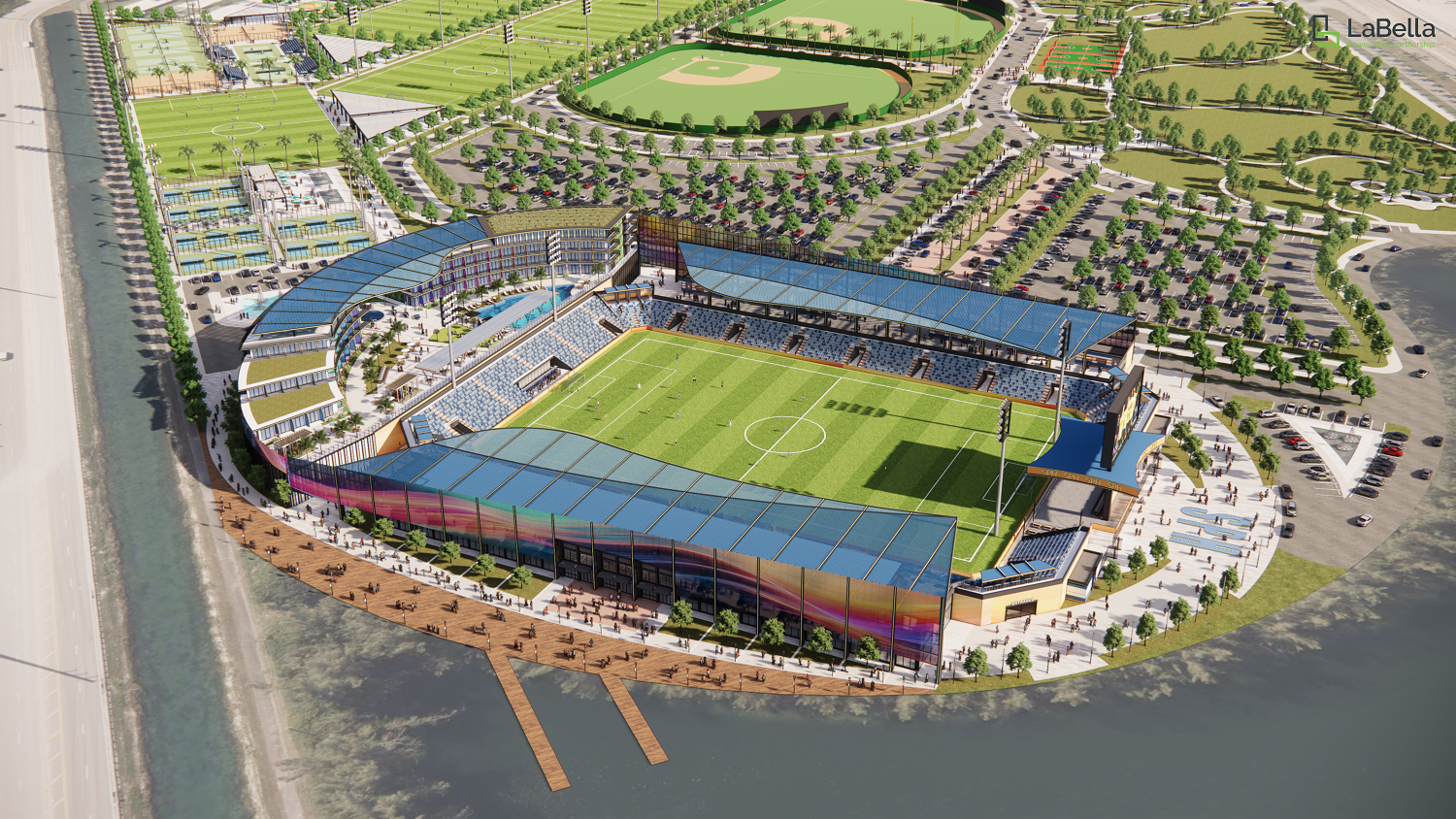
Construction has started on the $280 million Sports Performance Hub in Homestead, Florida, a privately funded 92-acre development built around a 10,000-seat stadium for Miami FC. But the financial logic extends well beyond game days. The project combines multi-sport academies, a hotel, a boarding school, and sports medicine facilities into a destination designed to generate activity year-round.
The model reflects a broader shift in stadium strategy. Instead of treating venues as isolated buildings that sit idle between events, developers are increasingly packaging them as commercial ecosystems. By layering education, hospitality, athlete development, and event programming onto the same footprint, projects like this create multiple revenue streams and reduce dependence on a single team calendar. For Miami FC, the campus could support brand expansion, player development, and monetization across far more than matchday sales.
Tennessee Titans’ new Nissan Stadium advances as a premium event asset
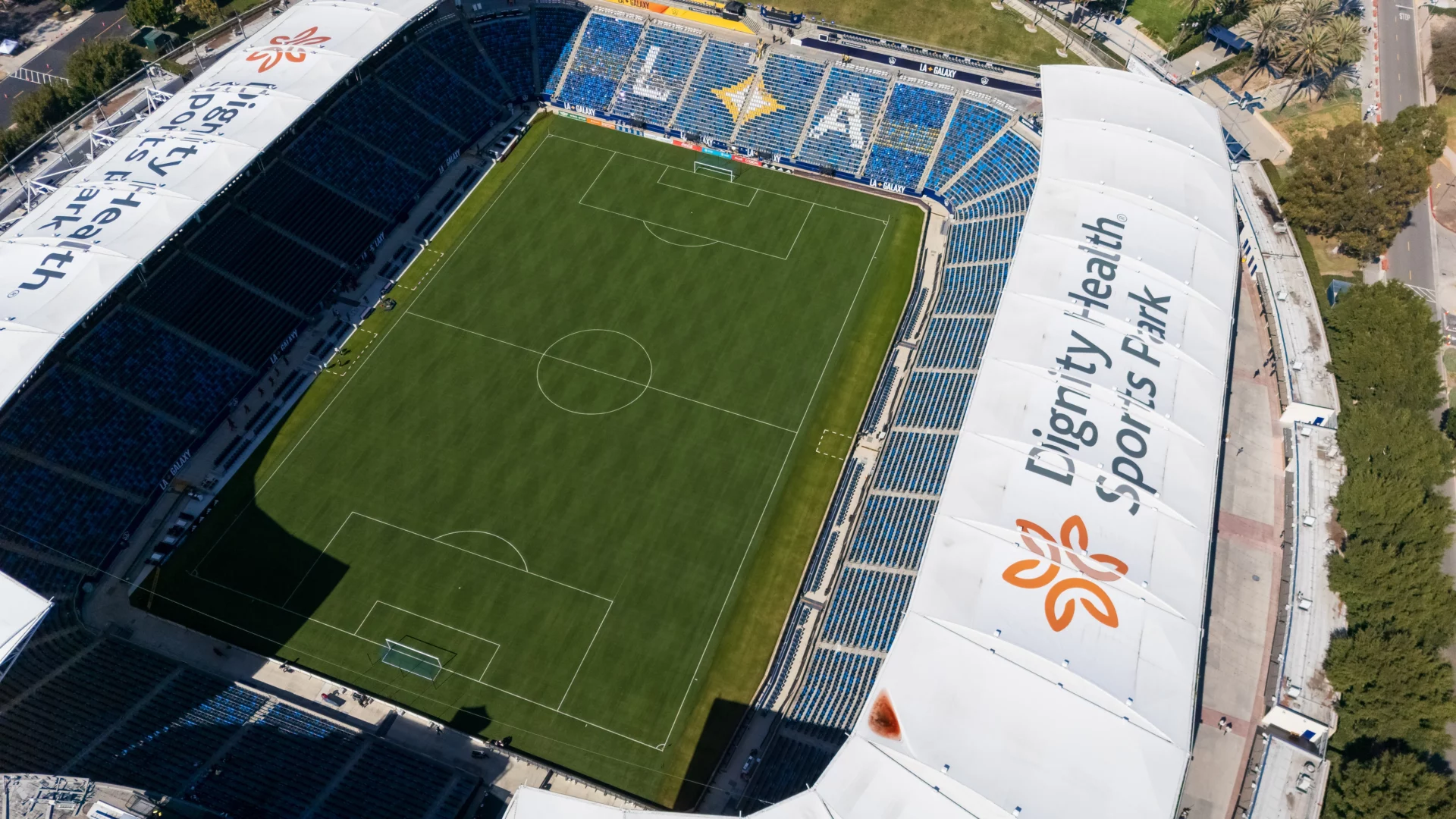
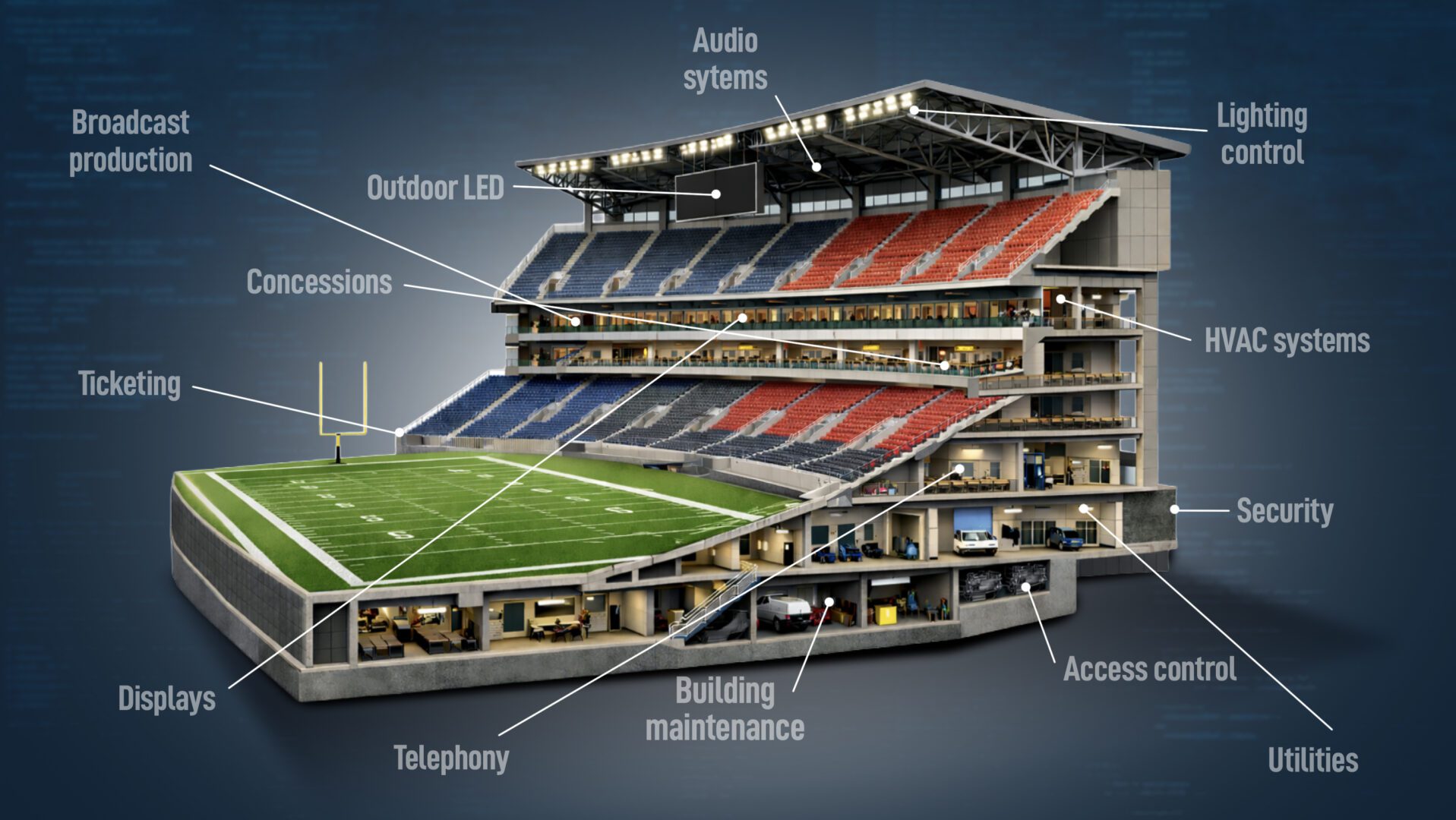
Progress is also continuing on the Tennessee Titans’ new $2.1 billion Nissan Stadium in Nashville, a 60,000-seat enclosed venue scheduled to open in 2027. The building will feature a translucent roof, large-scale LED systems, and upgraded infrastructure built to host NFL games, concerts, and major events throughout the year.
The scale of the investment shows how elite stadium projects are now being justified by revenue potential, not just competitive needs. Climate-controlled, technology-forward venues can support stronger premium seating demand, expand sponsorship inventory, and lengthen the calendar for non-game events. In an increasingly crowded entertainment market, the modern stadium is becoming a multi-category revenue engine rather than a single-purpose home field.
STADIUM BUSINESS NEWS
Denver’s NWSL expansion launch signals the pace of women’s sports capital
Denver Summit FC is set to begin play in the 2026 NWSL season after a rapid 14-month launch that required accelerated staffing, facility planning, and operational execution. The expansion club will initially play in a temporary venue in Centennial while moving toward a 14,500-seat purpose-built stadium in Denver targeted for 2028.
The speed of the rollout underscores how women’s professional sports are increasingly being treated as investable businesses with compressed launch timelines and aggressive infrastructure plans. A temporary-to-permanent venue strategy allows the club to enter the market quickly, validate demand, and then transition into a long-term asset with stronger ticketing, sponsorship, and premium revenue potential.
Inter Miami adds Nubank to its stadium naming-rights strategy
Inter Miami has secured Nubank as the naming-rights partner for its new stadium, expected to open this year. The deal brings a global digital banking brand into the club’s commercial portfolio and adds another layer of value to a venue strategy built around premium positioning and international reach.
Naming-rights agreements remain one of the clearest signals of stadium upside, and this partnership suggests Inter Miami is continuing to use its global profile to attract high-value sponsors. For clubs with international appeal, the stadium is increasingly functioning as a media platform, a sponsorship asset, and a brand amplifier at the same time.
Why It Matters
Across soccer, football, and women’s sports, new venue projects are moving beyond the old single-purpose stadium formula. The new playbook pairs stadiums with hospitality, education, athlete services, and sponsorship assets to create year-round revenue and deeper commercial resilience. This shift is changing how teams, investors, and cities evaluate the value of sports real estate.
Content Package
Stadiums are evolving into revenue ecosystems: a $280M Homestead sports campus, a $2.1B Titans rebuild, rapid NWSL expansion in Denver, and Inter Miami’s Nubank naming deal. Infrastructure investment is entering a new phase.
#StadiumDevelopment#SportsBusiness#SportsRealEstate#NamingRights#SportsInfrastructure#StadiumTech#NWSL#NFL#InterMiami#MiamiFC
Sports infrastructure investment is shifting from single-purpose venues to multi-revenue “business ecosystems,” and the latest stadium announcements show the momentum. • Homestead, FL: Construction is underway on the $280M Sports Performance Hub—an anchored 10,000-seat stadium for Miami FC paired with education, lodging, sports medicine, and multi-sport academies. The goal is clear: year-round utilization, athlete services, and hospitality-driven monetization beyond matchdays. • Nashville, TN: The Titans’ new $2.1B Nissan Stadium (opening in 2027) leans into tech-forward, climate-controlled design—translucent roofing and expansive LED systems—positioning the venue as a premium events platform for NFL games, concerts, and major gatherings. • Denver, CO: Denver Summit FC’s NWSL launch after a 14-month buildout highlights a new expansion playbook. Start quickly in a temporary venue, prove demand, then accelerate toward a purpose-built 14,500-seat stadium by 2028. • Miami, FL: Inter Miami securing Nubank naming rights for its new stadium reinforces the commercial upside of venue branding. Naming-rights deals remain one of the clearest indicators of sponsorship value—especially for clubs with global reach. Across these projects, the common thread is ROI logic: premium seating demand, sponsorship inventory, event diversification, and operational flexibility are now central to how stadiums are justified. What’s next? Expect more “stadium-as-platform” strategies—where education, health services, hospitality, and media value are planned at the same level as the bowl itself. — Stadium Tech Report
#StadiumDevelopment#SportsBusiness#SportsRealEstate#NamingRights#SportsInfrastructure#StadiumTech#NWSL#NFL#InterMiami#MiamiFC
Stadiums aren’t just for game day anymore—multi-use campuses, tech-forward bowls, fast expansion builds, and naming-rights power. 🏟️⚡️ What’s your favorite infrastructure trend right now? #StadiumDevelopment #SportsBusiness #SportsTech #NWSL #NFL #InterMiami #NamingRights #VenueStrategy #SportsRealEstate #Sponsorship
#StadiumDevelopment#SportsBusiness#SportsRealEstate#NamingRights#SportsInfrastructure#StadiumTech#NWSL#NFL#InterMiami#MiamiFC
Big moves in sports infrastructure: Construction is underway on Miami FC’s $280M Homestead campus, the Titans keep building toward a $2.1B Nissan Stadium opening in 2027, Denver Summit FC launches NWSL play after a 14-month sprint, and Inter Miami adds Nubank to its new stadium naming-rights lineup. Stadiums are becoming year-round business platforms—what do you think comes next?
#StadiumDevelopment#SportsBusiness#SportsRealEstate#NamingRights#SportsInfrastructure#StadiumTech#NWSL#NFL#InterMiami#MiamiFC
In 30 seconds: stadiums are evolving fast. First—Miami FC is building a $280M Sports Performance Hub in Homestead: a 10,000-seat stadium plus education, a hotel, boarding school, and sports medicine. Not just matchdays—year-round revenue. Next—Tennessee’s new $2.1B Nissan Stadium is on track for 2027 with a translucent roof and major tech upgrades for NFL and concerts. Then—Denver Summit FC launches NWSL after just 14 months, starting in a temporary venue before moving to a purpose-built stadium in 2028. And Inter Miami adds Nubank as naming rights—proof that sponsorship value is becoming central to stadium strategy. Stadiums as platforms, not just venues. 🚀
#StadiumDevelopment#SportsBusiness#SportsRealEstate#NamingRights#SportsInfrastructure#StadiumTech#NWSL#NFL#InterMiami#MiamiFC
Stadiums are entering a new phase—and it’s about more than seats. Here are 4 headlines: 1) Miami FC: a $280M Sports Performance Hub in Homestead—92 acres, a 10,000-seat stadium, plus education, hotel, boarding school, and sports medicine. Built for year-round business. 2) Tennessee Titans: a $2.1B Nissan Stadium in Nashville, opening in 2027, designed to host NFL and major events with tech-forward infrastructure. 3) Denver Summit FC: the NWSL team launches after a rapid 14-month buildout—temporary venue now, 14,500-seat stadium planned for 2028. 4) Inter Miami: Nubank secures naming rights for its new stadium—another signal that commercial partnerships are driving stadium value. Bottom line: venues are becoming ecosystems—hospitality, sponsorship, tech, and athlete services included. 🏟️📈
#StadiumDevelopment#SportsBusiness#SportsRealEstate#NamingRights#SportsInfrastructure#StadiumTech#NWSL#NFL#InterMiami#MiamiFC
Stadiums are evolving into multi-revenue sports businesses: training campuses, tech-enabled premium venues, faster women’s expansion, and naming-rights power. The venue is now the platform—year-round. #SportsBusiness
#SportsBusiness#StadiumTech#SportsMarketing
Stadium investment is shifting from “home for games” to “full-spectrum sports business.” Across the latest stadium and league developments, we’re seeing a clear pattern: venues are being designed (and financed) as integrated commercial ecosystems—built to monetize far beyond matchdays. • Homestead, FL: Miami FC’s $280M Sports Performance Hub isn’t just a 10,000-seat stadium—it’s a 92-acre multi-business campus. By combining multi-sport academies, hospitality (hotel), athlete services, sports medicine, and education/boarding, the project creates multiple revenue streams and a year-round operating model. • Nashville: The Titans’ new Nissan Stadium ($2.1B) is being positioned as a premium event asset. With a translucent roof, large-scale LED, and modernized infrastructure, the venue is engineered for NFL games plus concerts and major events—expanding sponsorship inventory and premium demand across a wider calendar. • Denver: Denver Summit FC’s NWSL launch shows how women’s sports investment is accelerating. A 14-month buildout (starting in a temporary venue) supports market entry first, then scaling toward a 14,500-seat purpose-built stadium targeted for 2028. • Miami: Inter Miami’s Nubank naming-rights deal underscores how global brands are tied to premium venue strategies. Naming rights increasingly function as both sponsorship value and international media amplification. The takeaway for operators, cities, and investors: the modern stadium business case is no longer just attendance and concessions—it’s venue-led branding, year-round programming, premium experiences, and sponsor monetization across categories. What’s your view: are we entering an era where stadiums resemble mixed-use sports campuses more than traditional arenas?
#SportsBusiness#StadiumTech#SportsMarketing
Stadiums aren’t just for game day anymore. Think multi-revenue campuses, tech-first premium venues, faster women’s launches, and global naming-rights deals. 🏟️⚡️ #SportsBusiness #StadiumTech #NWSL #MLS #NFL #Sponsorship #SportsMarketing #SportsRealEstate #RevenueStreams #Infrastructure
#SportsBusiness#StadiumTech#SportsMarketing
From matchday to multi-revenue: Homestead’s $280M Miami FC Sports Performance Hub is becoming a full training-and-hospitality ecosystem. The Titans’ $2.1B Nissan Stadium is built to power premium events year-round. Denver Summit FC’s rapid NWSL expansion shows how women’s sports is scaling fast, and Inter Miami’s Nubank naming-rights deal highlights stadiums as global brand platforms. What do you think—are stadiums now “sports business campuses”?
#SportsBusiness#StadiumTech#SportsMarketing
Stadiums used to be simple: build it, fill it, sell tickets. Now? It’s about turning one venue into a whole business ecosystem. Example 1: Miami FC’s new Sports Performance Hub—stadium plus academies, hotel, boarding school, and sports medicine. That’s revenue year-round, not just on matchdays. Example 2: The Titans’ new Nissan Stadium—tech-enabled and built for NFL games AND major concerts and events, with premium seating and sponsorship upsides. Example 3: Denver’s NWSL expansion—move fast with a temporary venue, then scale to a purpose-built stadium. And Example 4: Inter Miami adding Nubank to naming rights—stadiums are now global brand platforms. So the question: Is your stadium strategy still stuck in “game day,” or is it built for multi-revenue growth?
#SportsBusiness#StadiumTech#SportsMarketing
Stadiums are evolving—and the business model is changing fast. Miami FC’s $280M Sports Performance Hub in Homestead isn’t just a 10,000-seat stadium. It’s a 92-acre multi-revenue campus: academies, hotel, boarding school, sports medicine, and year-round training and competition. Meanwhile, the Titans’ new Nissan Stadium in Nashville is designed as a premium event machine—tech upgrades, LED systems, and a calendar built for NFL games plus concerts and major events. In Denver, the NWSL is moving at speed: Summit FC launches in 2026 using a temporary venue, then plans a bigger, purpose-built stadium in 2028. And Inter Miami’s Nubank naming-rights deal shows how sponsors are leveraging stadiums as global brand platforms. Bottom line: today’s stadium isn’t just a venue—it’s a multi-revenue sports business. What’s next: more mixed-use campuses or more tech-first arenas?
#SportsBusiness#StadiumTech#SportsMarketing
Stadiums are evolving into multi-revenue ecosystems—training campuses, hotels, schools, tech-enabled premium arenas, and faster expansion models. Homestead’s $280M hub, Titans’ 2027 build, and Inter Miami’s Nubank deal show the shift. #SportsBusiness
#StadiumInvestment#SportsBusiness#SportsRealEstate#NWSL#NFL#NamingRights#SportsTech#VenueStrategy
Stadium Investment Is Becoming a Multi-Revenue Sports Business Model From Miami FC’s $280M Sports Performance Hub in Homestead to the Tennessee Titans’ next-generation Nissan Stadium in Nashville, the message is clear: today’s stadiums are no longer “just venues.” They’re being designed—financed, marketed, and operated—as integrated commercial ecosystems that generate revenue year-round. What’s driving the shift? 1) Multi-use campuses (beyond matchdays) Miami FC’s 92-acre development pairs a 10,000-seat stadium with multi-sport academies, a hotel, a boarding school, and sports medicine facilities. That’s a portfolio of monetization opportunities—education, hospitality, athlete services, and programming—stacked on the same footprint. 2) Premium, tech-enabled event assets The Titans’ $2.1B Nissan Stadium (opening targeted for 2027) highlights how climate-controlled, LED-forward, infrastructure-ready designs are being justified by broader demand: premium seating, expanded sponsorship inventory, and a longer calendar of events beyond NFL Sundays. 3) Speed matters in women’s sports expansion Denver Summit FC’s rapid 14-month launch for the 2026 NWSL season—starting in a temporary venue while building toward a 14,500-seat stadium by 2028—shows how infrastructure planning is becoming faster, more scalable, and more business-oriented. Validate demand now, scale value later. 4) Naming rights as a direct commercial lever Inter Miami’s Nubank naming-rights agreement for its upcoming stadium reinforces how global brands view modern venues as media platforms and sponsorship vehicles—not just local fan gathering points. Bottom line Across men’s and women’s leagues, the modern stadium strategy is converging on one model: build for resilience. The winning projects treat stadiums as platforms for brand expansion, sponsorship growth, athlete development, and repeatable revenue streams throughout the year. What do you think: are we entering the era of “stadium ecosystems” as the default investment thesis?
#StadiumInvestment#SportsBusiness#SportsRealEstate#NWSL#NFL#NamingRights#SportsTech#VenueStrategy
Stadiums aren’t just game day anymore—think training hubs, hotels, schools, tech-enabled premium arenas & naming-rights that scale globally. 🏟️📈 Homestead • Nashville • Denver • Miami. #StadiumTech #SportsBusiness #SportsRealEstate #NamingRights #NWSL #NFL #SoccerBusiness #SportsMarketing
#StadiumInvestment#SportsBusiness#SportsRealEstate#NWSL#NFL#NamingRights#SportsTech#VenueStrategy
Stadiums are becoming multi-revenue business platforms—not standalone buildings. Miami FC’s $280M Sports Performance Hub will combine a 10,000-seat stadium with academies, a hotel, boarding school and sports medicine. The Titans’ new Nissan Stadium aims to power year-round NFL + major events with tech and premium upgrades. Plus, Denver Summit FC launches quickly for the 2026 NWSL season, and Inter Miami adds Nubank to its naming-rights strategy. The future of stadium investment? Built to monetize beyond matchdays.
#StadiumInvestment#SportsBusiness#SportsRealEstate#NWSL#NFL#NamingRights#SportsTech#VenueStrategy
In 2026, the stadium won’t just be a place you go—it’ll be a business you live in. Miami FC is building a $280M Sports Performance Hub with a stadium plus academies, a hotel, a boarding school, and sports medicine. The goal? Revenue every day, not just on game nights. Meanwhile, the Titans’ new Nissan Stadium is designed as a premium, tech-enabled event engine for NFL games and concerts year-round. And in women’s sports, Denver Summit FC is launching fast with a temporary venue while building toward a 14,500-seat home. So what’s the takeaway? Stadiums are becoming ecosystems—education, hospitality, sponsorship, and events stacked on one footprint. That’s the multi-revenue model.
#StadiumInvestment#SportsBusiness#SportsRealEstate#NWSL#NFL#NamingRights#SportsTech#VenueStrategy
Stadium investment just changed. It’s no longer “build a bowl, sell tickets.” Miami FC is starting a $280M Sports Performance Hub in Homestead—92 acres with a 10,000-seat stadium plus academies, a hotel, a boarding school, and sports medicine. That’s a year-round business ecosystem. The Titans’ $2.1B Nissan Stadium in Nashville is built for more than football—climate control, big LED tech, and infrastructure to support concerts and major events. In women’s sports, Denver Summit FC is moving fast: play in 2026 while working toward a purpose-built stadium by 2028. And Inter Miami is locking in global commercial value with Nubank naming rights. Bottom line: modern stadiums are becoming platforms for sponsorship, media, training, and hospitality—stacked to reduce risk and grow revenue.
#StadiumInvestment#SportsBusiness#SportsRealEstate#NWSL#NFL#NamingRights#SportsTech#VenueStrategy
Stadium investment is shifting from “game-day venue” to “multi-revenue sports business model.” Three developments from the Stadium Tech Report show the direction: 1) Miami FC’s Sports Performance Hub (Homestead, FL) A $280M, 92-acre campus built around a 10,000-seat stadium—but designed to monetize year-round through multi-sport academies, hospitality (hotel), education (boarding school), and sports medicine. This is infrastructure as an integrated ecosystem, improving revenue diversification and asset resilience. 2) Tennessee Titans’ Nissan Stadium (Nashville) The $2.1B project isn’t just about premium seating—it’s about maximizing event utility. With climate-controlled design, translucent roofing, large-scale LED, and modern infrastructure, the stadium is positioned to strengthen sponsorship inventory and extend the calendar beyond NFL games (concerts + major events). 3) Denver’s NWSL expansion + Inter Miami’s naming-rights upgrade Denver Summit FC’s 14-month launch to reach the 2026 NWSL season—followed by a purpose-built 14,500-seat stadium in 2028—demonstrates how women’s sports investment is accelerating with a “temporary-to-permanent” strategy to test demand and then scale value. Meanwhile, Inter Miami adding Nubank to stadium naming rights reinforces how stadiums function as media platforms and brand amplifiers, not just ticketing engines. What it means for the industry Modern stadiums are increasingly justified by: • diversified revenue streams (education, hospitality, health services, premium events) • technology-driven sponsorship value (LED, data, brand visibility) • longer operating calendars • scalable venue strategy (temporary now, permanent later) The takeaway: the stadium isn’t merely the home field anymore—it’s becoming the operating system for a broader sports enterprise. #StadiumTech #SportsBusiness #Sponsorship #NWSL #NFL #SportsInfrastructure
#StadiumTech#SportsBusiness#SportsInfrastructure#Sponsorship#NFL#NWSL
Stadiums are evolving into multi-revenue ecosystems: Miami FC’s $280M Sports Performance Hub adds hotel, school & medicine; Titans’ $2.1B venue targets year-round events. The stadium is the business now. 🏟️
#StadiumTech#SportsBusiness#SportsInfrastructure#Sponsorship#NFL#NWSL
Stadiums = multi-revenue ecosystems now 🏟️✨ Hotels, academies, naming rights, year-round events… the business case is bigger than matchday. Which revenue stream would you add next? #SportsBusiness #StadiumTech #SportsMarketing #NWSL #NFL #Soccer
#StadiumTech#SportsBusiness#SportsInfrastructure#Sponsorship#NFL#NWSL
Stadiums are no longer just places for games—they’re turning into multi-revenue destinations. From Miami FC’s $280M Sports Performance Hub (with hotel, academies, boarding school & sports medicine) to the Titans’ $2.1B Nissan Stadium built for year-round events, today’s venues are designed to monetize beyond matchdays. Plus: Denver’s rapid NWSL expansion strategy and Inter Miami’s Nubank naming-rights deal show how branding and scalable infrastructure are driving growth. What’s your take: is the future of sports infrastructure an “ecosystem,” not a building?
#StadiumTech#SportsBusiness#SportsInfrastructure#Sponsorship#NFL#NWSL
Picture this: a stadium that doesn’t just make money on game day. Miami FC is building a $280M Sports Performance Hub—10,000-seat stadium plus academies, a hotel, a boarding school, and sports medicine. That’s a campus, not a venue. Meanwhile, the Titans’ $2.1B Nissan Stadium is designed to host NFL games AND concerts and major events year-round—with tech and premium upgrades. And in women’s sports, Denver Summit FC is launching fast in 2026, then moving to a bigger permanent stadium later. So the question: are stadiums becoming the centerpiece of a whole sports business ecosystem? Follow for more sports infrastructure breakdowns.
#StadiumTech#SportsBusiness#SportsInfrastructure#Sponsorship#NFL#NWSL
Stadiums are evolving fast—and the business model is changing with them. Miami FC is building a $280M Sports Performance Hub in Homestead: a 10,000-seat stadium plus a hotel, multi-sport academies, a boarding school, and sports medicine facilities. That means revenue all year, not just on matchdays. The Tennessee Titans’ new Nissan Stadium—$2.1B—aims to be a premium event engine with climate-controlled design, major LED tech, and infrastructure built for concerts and big events beyond the NFL calendar. And two more signals: Denver’s NWSL expansion is launching quickly in 2026 before moving into a purpose-built stadium later, while Inter Miami adds Nubank to its naming-rights strategy. Bottom line: the stadium is becoming a multi-revenue ecosystem. What’s the next “must-have” revenue stream for stadiums?
#StadiumTech#SportsBusiness#SportsInfrastructure#Sponsorship#NFL#NWSL