Bayern Munich’s Davies rethink could reshape the Premier League transfer market
Bayern Munich’s willingness to consider offers for Alphonso Davies marks a notable shift in how elite clubs value premium talent. With injuries, salary pressure, and tactical changes all in play, the situation could open the door for a Premier League move and signal a broader recalibration in transfer strategy.
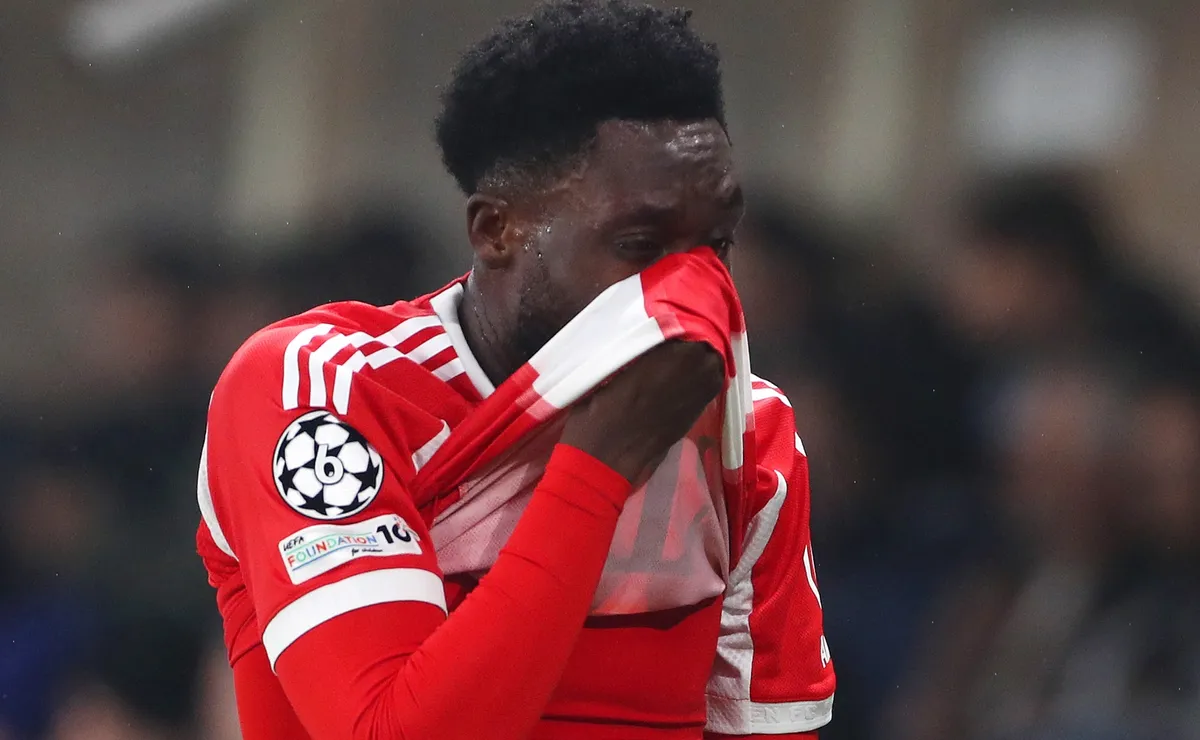
Bayern Munich’s willingness to reconsider Alphonso Davies is more than a personnel update — it is a signal that elite football clubs are becoming increasingly ruthless about asset value. A player once viewed as a long-term cornerstone through 2030 is now being assessed through the harsher lens of availability, wage efficiency and tactical fit.
That shift matters because it highlights a growing business reality in modern football: even high-profile, high-upside players can become movable when the return on investment starts to look uncertain. For Bayern, the equation is no longer just about talent. It is about whether a premium salary and a marquee contract still make sense if the player is not guaranteed to be central to the team’s future.
Manchester United have emerged as the most natural potential buyer. The club has long been linked with Davies, and the fit remains obvious from both a sporting and commercial perspective. United’s need at left back is clear, with Luke Shaw the only established option and the rest of the depth chart offering either makeshift solutions or limited long-term certainty.
From a business standpoint, Davies is exactly the kind of target that can move the needle. He offers elite pace, attacking threat and instant recognition in a position where top-tier options are scarce. In a transfer market increasingly shaped by scarcity and brand value, those qualities can justify a major outlay — especially for a club looking to reinforce both performance and global appeal.
His reported gross salary of around $16 million per season is where the deal becomes more complicated. Bayern may see that figure as difficult to defend if Davies is no longer an automatic starter, while United would need to determine whether the commercial upside and on-field impact justify the financial commitment. In that sense, the situation is less about a simple transfer rumor and more about squad optimization at the highest level.
Bayern’s tactical evolution is changing the valuation model
Vincent Kompany’s system has nudged Bayern toward a more inverted fullback approach, with players such as Konrad Laimer and Tom Bischof contributing in central areas. That tactical evolution reduces the importance of a classic wide-overlap fullback if he is not also providing added value in possession control or defensive flexibility.
Davies has built his reputation as one of the most explosive attacking fullbacks in world football, but that profile is not always indispensable in a system that prioritizes structure and versatility. When a manager’s game model changes, so does the asset profile of the players within it. If Davies is no longer viewed as a guaranteed starter, Bayern’s incentive to cash in rises significantly.
Injury concerns only intensify that calculation. A recent thigh strain adds to two straight seasons without full physical continuity, and durability is now a major part of how top clubs assess value. Availability is no longer treated as a secondary issue; it is a core line item in transfer planning and wage allocation.
That is what makes a Premier League move increasingly plausible. The league’s pace, width and commercial scale make it a natural landing spot for a player like Davies, provided a buying club is comfortable with the medical risk and salary structure. For a club like United, the upside is obvious: a rare fullback talent who can change the dynamics of a flank and strengthen the brand at the same time.
For Bayern, the broader lesson is unmistakable. Long-term contracts do not guarantee long-term certainty. In an era where tactics evolve quickly and financial discipline is under constant pressure, even marquee players can shift from franchise pillars to tradeable assets.
Why It Matters
Bayern Munich’s willingness to consider offers for Alphonso Davies marks a notable shift in how elite clubs value premium talent. With injuries, salary pressure, and tactical changes all in play, the situation could open the door for a Premier League move and signal a broader recalibration in transfer strategy.
Content Package
Bayern rethinking Alphonso Davies isn’t just a transfer twist—it’s a value reset. With wages, availability, and tactical fit in focus, Man United look like the most natural buyer. #Bayern #Davies #MUFC
#BayernMunich#AlphonsoDavies#ManchesterUnited#PremierLeague#FootballTransfers#VincentKompany
Bayern Munich’s reported willingness to reconsider Alphonso Davies is more than personnel news—it reflects how elite clubs are recalibrating “asset value” in modern football. Once seen as a long-term cornerstone (contract through 2030), Davies is now being evaluated through a sharper lens: availability, wage efficiency, and tactical fit. That shift matters because it signals a broader business reality—high-upside players can become “movable” when the return on investment becomes uncertain. Why it matters for the Premier League Manchester United emerge as the most natural potential destination. The sporting logic is straightforward: left back remains a key need, with Luke Shaw the only established option and the depth chart lacking long-term certainty. From a commercial perspective, Davies offers elite pace, attacking threat, and global recognition—exactly the kind of profile that can move both performance and brand metrics. But the business complexity is the salary. With a reported gross wage around $16M per season, United would need to justify the commitment through a blend of on-pitch impact, medical risk tolerance, and commercial upside. Tactics are reshaping valuation Under Vincent Kompany, Bayern’s evolution toward a more inverted fullback approach changes the valuation model. If the system prioritizes structure and versatility, a classic wide-overlap profile becomes less “indispensable” unless it also contributes in possession control and defensive flexibility. Injury concerns add another layer. A recent thigh strain and two seasons without full physical continuity make durability a core line item in transfer planning—not a secondary footnote. The takeaway For Bayern, the lesson is clear: long contracts don’t guarantee long-term certainty. In a landscape where tactical models evolve quickly and financial discipline is under pressure, even marquee players can shift from franchise pillars to tradeable assets. For United (and the wider market), this is a reminder that transfers increasingly hinge on squad optimization, not just talent.
#BayernMunich#AlphonsoDavies#ManchesterUnited#PremierLeague#FootballTransfers#VincentKompany
Davies to the PL? Bayern’s “value reset” is real—wages, injuries, and tactical fit now decide. Man United look ready if the numbers work. ⚽️💰 #BayernMunich #AlphonsoDavies #ManchesterUnited #PremierLeague #FootballTransfers #InvertedFullback #TransferMarket #WorldSoccerTalk
#BayernMunich#AlphonsoDavies#ManchesterUnited#PremierLeague#FootballTransfers#VincentKompany
Bayern Munich may rethink Alphonso Davies—and it could ripple through the Premier League transfer market. With United needing a left-back and Davies offering pace and star power, the next question is whether wages and medical risk make the deal worth it. Could this be the summer move that reshapes squad planning?
#BayernMunich#AlphonsoDavies#ManchesterUnited#PremierLeague#FootballTransfers#VincentKompany
Bayern Munich are reportedly rethinking Alphonso Davies… and it could change how the Premier League transfer market works. Here’s why: Davies isn’t just being judged on talent anymore. Clubs now weigh availability, wage efficiency, and tactical fit. Under Vincent Kompany, Bayern’s system is evolving—more structure, more versatility—and that can reduce the value of a classic wide fullback unless he adds more in possession and defense. Add in injury concerns and the math shifts. So who makes the most sense? Manchester United—left back is a clear need, and Davies would bring elite pace and global appeal. But with wages reportedly around $16 million a year, United would need to be confident the upside outweighs the risk. Davies to the Premier League? The business case might be forming.
#BayernMunich#AlphonsoDavies#ManchesterUnited#PremierLeague#FootballTransfers#VincentKompany
Bayern Munich may be rethinking Alphonso Davies—and it’s bigger than one transfer rumor. In today’s market, clubs don’t just ask “Is he world-class?” They ask: “Is he available, is he worth the wages, and does he fit the system?” Davies was once viewed as a long-term cornerstone, but Bayern’s tactical evolution under Kompany is changing the valuation model. If the inverted/fullback role doesn’t require his exact skill set—or if durability is a concern—then his asset value can drop. That’s why Manchester United look like a natural match: they need quality at left back, and Davies brings pace, attacking threat, and instant star power. The hurdle? His reported $16M-per-season wage and the medical risk. So this isn’t just a transfer—it’s squad optimization at the highest level. Could United strike while the value window opens?
#BayernMunich#AlphonsoDavies#ManchesterUnited#PremierLeague#FootballTransfers#VincentKompany
Bayern’s Davies rethink could signal a Premier League shift: injuries, wage scrutiny, and an inverted fullback system may reduce his guaranteed role. Man United’s left-back need makes this a live market story. #MUFC #FCBayern
#AlphonsoDavies#BayernMunich#ManchesterUnited
Bayern Munich’s reported openness to listening to offers for Alphonso Davies marks more than a player rumor—it reflects a broader market shift in how elite squads are optimized. What changed? - Availability risk: recurring injuries and limited physical continuity reduce the certainty that a top salary always translates to top minutes. - Wage efficiency: Davies’ reported gross salary (~$16m/season) becomes harder to justify if he’s no longer viewed as an automatic starter. - Tactical evolution: under Vincent Kompany, Bayern’s inverted fullback model increases the value of midfield/central contribution. That can lessen the “default” importance of a traditional explosive overlap profile unless it’s paired with consistent defensive and central utility. Why the Premier League—specifically Manchester United? United’s left-back situation is the clearest need: Luke Shaw is the only established option, while other candidates appear out of position or outside current plans. Davies offers elite pace, attacking threat, and significant brand pull—exactly the kind of fullback impact that can alter an attack’s structure from wide areas. The real takeaway for football business This isn’t just “transfer talk.” It’s a case study in roster optimization: - Contracts don’t equal certainty. - Tactical fit can change an asset’s value profile. - Durability is increasingly treated as a core valuation metric. If Bayern are truly willing to monetize Davies, it signals a wider truth: even premium players become movable when tactical priorities and medical risk collide with wage efficiency. #BayernMunich #AlphonsoDavies #ManchesterUnited #PremierLeague #SportsBusiness #FootballAnalytics
#AlphonsoDavies#BayernMunich#ManchesterUnited
Davies to the PL? Bayern reportedly open to offers as injuries + wage pressure + Kompany’s inverted fullback shift his value. Man United’s left-back need is loud 👀⚽ #AlphonsoDavies #FCBayern #MUFC #PremierLeague #TransferRumors #FootballNews #InvertedFullback #SportsBusiness
#AlphonsoDavies#BayernMunich#ManchesterUnited
Bayern Munich’s stance on Alphonso Davies appears to be changing, and the ripple effects could be felt in the Premier League. With recurring injuries, a high salary, and Bayern’s tactical shift under Vincent Kompany, reports suggest Bayern may be willing to listen to offers. Manchester United look like the most likely destination, given their clear need at left back and Davies’ ability to bring pace, attacking threat, and star value. Could this be the kind of transfer that reflects a bigger market reality in modern football? Let us know your thoughts.
#AlphonsoDavies#BayernMunich#ManchesterUnited
Bayern Munich may be ready to move Alphonso Davies… and it could be a Premier League wake-up call. Here’s why: Bayern’s tactics under Kompany use a more inverted fullback style—so Davies’ classic overlap threat matters less if he’s not delivering consistent defensive or central utility. Then there’s the business side: recurring injuries and a reported ~$16m-a-season wage make “guaranteed starter” value harder to justify. Reports say Bayern would listen to offers—crazy for a club that previously planned long-term. And the fit? Manchester United. United need a left back, Luke Shaw is the only established option, and Davies brings elite pace plus instant brand impact. So is this a Davies transfer… or just Bayern adjusting their squad math? Follow for more football business moves.
#AlphonsoDavies#BayernMunich#ManchesterUnited
Bayern Munich might rethink Alphonso Davies—and it could point to a Premier League market shift. What’s driving it? First: injuries. When a player’s availability becomes inconsistent, even top earners lose “guaranteed starter” value. Second: wages. Davies is reportedly around $16m per season—harder to justify if he’s not always in the starting XI. Third: tactics. Under Vincent Kompany, Bayern’s inverted fullback approach increases the need for central/defensive utility, which can change how Davies is valued. So who makes sense? Manchester United. They’ve got a clear left-back need with Luke Shaw as the main option, and Davies would offer pace, attacking threat, and star power. This isn’t just a transfer story—it’s roster optimization in modern football. Do you think United should go for Davies?
#AlphonsoDavies#BayernMunich#ManchesterUnited