Inter Miami’s Bernardo Silva pursuit exposes the hard economics behind MLS star power
Inter Miami has emerged as a potential landing spot for Bernardo Silva, but the financial reality of MLS roster rules and salary constraints makes the move far from simple. Even with Lionel Messi at the center of the project, the club would need major roster maneuvering to make room for one of Europe’s most expensive midfielders.
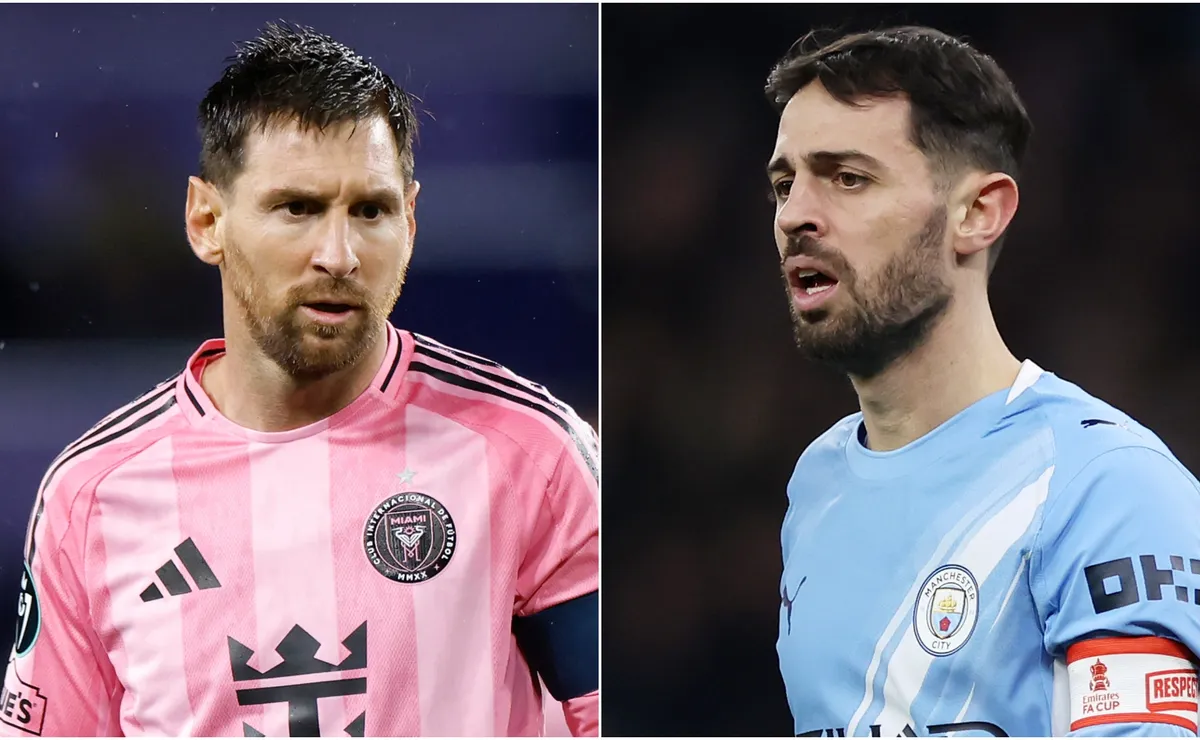
Inter Miami’s ambition to pair Bernardo Silva with Lionel Messi underscores the league’s ongoing tension between global star power and roster economics. The Portuguese midfielder is expected to leave Manchester City when his contract expires in June 2026, but the pathway to South Florida is blocked by the same financial architecture that has long defined MLS: salary limits, allocation money, and designated player restrictions.
According to reports, Inter Miami has identified Silva as a target for the second half of the 2026 season. That interest reflects the club’s broader strategy of building a high-profile, commercially potent roster around Messi. Yet the market for Silva is already crowded, with clubs in Europe and Saudi Arabia also monitoring his situation. Juventus, Galatasaray and Benfica are among the teams reportedly in the mix, while his agent is expected to explore the best sporting and financial fit.
The business case for a move to MLS is complicated. Silva remains a top-level performer for both Manchester City and Portugal, and his production this season has reinforced his value even as he approaches 32. But his current compensation package is a major obstacle. At Manchester City, he is one of the club’s highest earners, with total annual pay estimated at $26.7 million. Even without a transfer fee, that salary level is well beyond what Inter Miami can absorb under its current cap structure.
Inter Miami’s own spending pattern also narrows the margin for error. The club invested heavily ahead of the 2026 campaign, committing more than $40 million in reinforcements as it chased CONCACAF Champions Cup success. That aggressive push did not deliver the expected return, leaving the team with limited flexibility and a roster still needing optimization. In a league where financial efficiency is as important as ambition, the missed continental opportunity now carries real roster consequences.
MLS roster data paints the picture clearly. Inter Miami entered 2026 with one of the smallest amounts of available General Allocation Money in the league, leaving little room to absorb a marquee salary without offloading existing contracts. To complete a deal for Silva, the club would likely need to move multiple players, create enough allocation space, and free a Designated Player slot. In practical terms, that means the transaction would require not just interest, but a chain of interconnected financial decisions.
That complexity is what makes the Silva chase so revealing. MLS has spent years trying to balance competitive parity with the need to attract global talent. Inter Miami, backed by Messi’s commercial gravity, has become the league’s clearest example of how far a club can push that model. But the Silva situation shows that even the most marketable team in the league cannot simply buy its way into another elite signing without making difficult tradeoffs.
If Inter Miami wants to keep adding players of Silva’s stature, it will need to operate less like a traditional MLS club and more like a cap-managed global brand. That means asset management, salary engineering and strategic roster churn will be just as important as recruitment. For now, the move looks aspirational, but not yet financially viable.
Why It Matters
Inter Miami has emerged as a potential landing spot for Bernardo Silva, but the financial reality of MLS roster rules and salary constraints makes the move far from simple. Even with Lionel Messi at the center of the project, the club would need major roster maneuvering to make room for one of Europe’s most expensive midfielders.