Brewers’ TV reset signals the collapse of MLB’s local media economics
The Milwaukee Brewers are becoming a clear example of how Major League Baseball’s local television business is being torn down and rebuilt at the same time. As the RSN model weakens, the league’s new in-house approach is shifting revenue risk onto teams and reshaping how clubs plan for payroll, competitiveness and long-term stability.
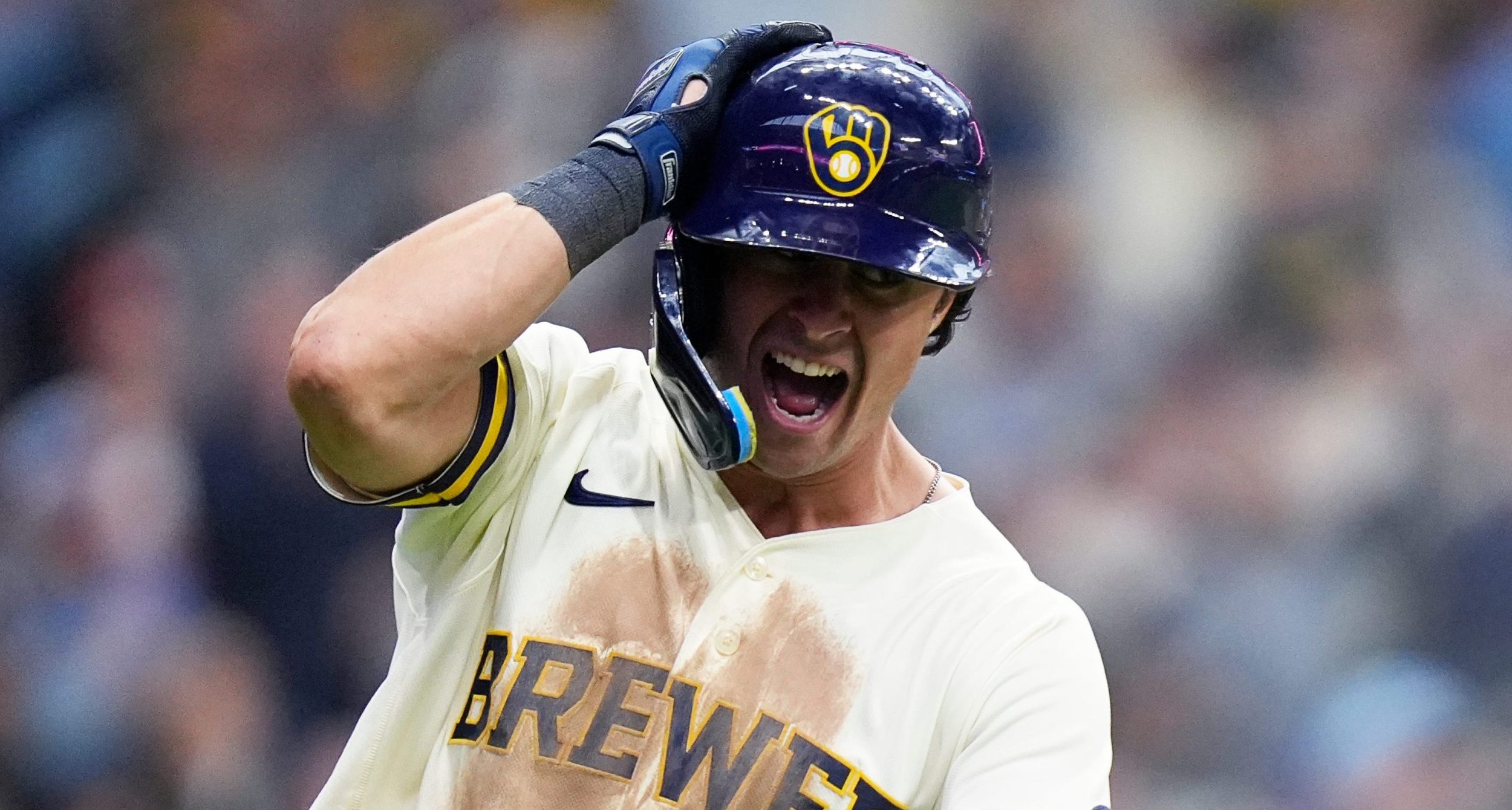
The Milwaukee Brewers are emerging as a revealing example of how Major League Baseball’s local media business is being dismantled and rebuilt at the same time.
With FanDuel Sports Network shutting down and its parent company falling behind on rights payments, the Brewers — along with most of the league’s former regional sports network partners — are expected to move to MLB’s in-house broadcast system for the 2026 season. On paper, the change preserves television coverage. In business terms, it marks a fundamental reset in how local baseball media generates value.
The old RSN framework was built on certainty. Clubs were paid fixed rights fees by networks, giving ownership groups a dependable revenue stream that could be built into long-range financial planning. MLB’s emerging local media structure works differently. Under that model, teams are paid from revenue generated through distribution agreements, streaming subscriptions and advertising after production costs are covered. That shifts more risk onto clubs and makes local media income far more dependent on audience performance and market conditions.
For Milwaukee, the impact is already starting to show. According to the Milwaukee Journal Sentinel, the Brewers are projected to lose roughly $20 million in local media revenue compared with their previous FanDuel Sports Network deal. For a franchise coming off a 97-win season and a trip to the National League Championship Series, that is not a small adjustment. It can affect payroll flexibility, roster depth and the ability to sustain a contender.
The Brewers may also be offering a preview of what is coming across the league. If a successful team in a solid baseball market is absorbing an eight-figure decline, other clubs could face even steeper losses as the RSN system continues to unravel.
That has major consequences for MLB’s broader business model. Unlike leagues with salary caps or hard spending floors, baseball largely leaves payroll decisions to individual ownership groups. When local television revenue shrinks, the money available for player investment contracts with it. In that sense, the media disruption is no longer just a broadcast issue — it is becoming a competitive balance issue.
MLB’s long-term goal is to move beyond the RSN era entirely. League officials have pointed toward consolidating local rights across all 30 teams and packaging them for a major streaming partner, a strategy that could eventually create a more scalable and more stable media product. But that future remains uncertain and likely several years away.
For now, clubs like the Brewers are operating inside a collapsing legacy system while waiting for MLB’s next model to deliver the predictability and growth the league has promised.
Why It Matters
The Milwaukee Brewers are becoming a clear example of how Major League Baseball’s local television business is being torn down and rebuilt at the same time. As the RSN model weakens, the league’s new in-house approach is shifting revenue risk onto teams and reshaping how clubs plan for payroll, competitiveness and long-term stability.
Content Package
The Milwaukee Brewers’ move away from FanDuel Sports Network is more than a schedule change—it’s a financial warning sign for MLB. With the RSN model collapsing, teams are shifting to MLB’s in-house local system for 2026, where revenue is tied to what fans actually drive (subscriptions, ads, distribution), not a steady rights fee. The Brewers reportedly expect to lose about $20M in local media revenue—highlighting how media disruption can directly affect payroll, roster depth, and long-term competitiveness.
#MLB#Brewers#SportsBusiness
Brewers’ local TV reset isn’t just a broadcast change—it’s a financial hit. With FDSN gone, Milwaukee could lose ~$20M, proving MLB’s media shift is about payroll risk, not just platforms. 2026 watch.
#MLB#Brewers#SportsBusiness
The Milwaukee Brewers’ impending move from FanDuel Sports Network to MLB’s in-house local broadcast system for 2026 is a clear signal of how fast the regional sports network (RSN) era is breaking down—and what that means for team economics. Under the traditional RSN model, clubs relied on a relatively stable rights fee from the network. That predictability helped teams plan payroll, roster construction, and long-term investment. MLB’s new local media structure changes the revenue equation. Instead of a steady rights payment, teams earn money based on the performance of their local distribution deals—streaming subscriptions, advertising revenue, and distribution economics—net of production costs. The shift preserves game coverage, but it fundamentally increases volatility and ties team finances more directly to audience outcomes. For Milwaukee, the impact is already measurable. The Brewers reportedly expect to lose roughly $20 million in local media revenue compared to their prior FanDuel Sports Network deal. That’s not just an accounting adjustment—especially for a club that just won 97 games and reached the NLCS. A drop of this magnitude can affect payroll flexibility, roster depth, and competitive strategy. More broadly, the Brewers may be a warning sign rather than a one-off case. If even a contending team in a strong market faces an eight-figure decline, other clubs could experience steeper losses as the RSN model continues to deteriorate across MLB. This matters because baseball doesn’t operate like leagues with hard salary caps or floors. With spending largely determined by ownership decisions, reduced local media revenue can directly constrain the financial room to invest in players—turning media disruption into a competitive issue. MLB’s longer-term ambition is to move beyond the RSN era entirely by consolidating local rights across all 30 teams and packaging them for a major streaming partner. The goal: more stable, scalable local media economics. But the timeline remains uncertain. Bottom line: the Brewers’ transition highlights that MLB’s media shift is not merely a technology or distribution story—it’s a realignment of financial risk and competitive leverage that will shape team building for years to come.
#MLB#Brewers#SportsBusiness
RSN era is cracking. ⚾️ Milwaukee’s Brewers could lose ~$20M in local TV revenue as they shift to MLB’s in-house model for 2026. Less certainty. More volatility. Payroll impact? 👀 #MLB #Brewers #SportsBusiness #MediaRights #LocalTV #Streaming #RSN #BaseballEconomics #FanDuelSportsNetwork #SportsMedia
#MLB#Brewers#SportsBusiness
In 2026, the Brewers are changing how they get local TV money—and it could cost them big. FanDuel Sports Network is shutting down, and MLB teams are moving into MLB’s in-house local broadcast system. Here’s the key difference: under the old RSN model, teams got a predictable rights fee. Now, teams earn based on distribution revenue—streaming subs, ads, and other local performance—minus production costs. Reports say Milwaukee could lose about $20 million. And if that happens to a contender, what does it mean for other teams in weaker markets? This is why MLB’s media shift isn’t just about where you watch games—it’s about how teams can afford players.
#MLB#Brewers#SportsBusiness
The Brewers’ 2026 TV reset is a financial earthquake for MLB. FanDuel Sports Network is shutting down, and Milwaukee—along with other former RSN teams—will move into MLB’s in-house local broadcast system. What’s changing? The old model paid teams a steady rights fee. The new model pays teams based on what their local audience generates—streaming subscriptions, advertising, and distribution revenue—after production costs. That means less certainty and more volatility. Milwaukee reportedly expects to lose around $20 million in local media revenue. And if a 97-win NLCS team can get hit that hard, the ripple effects could reach every contender. MLB wants to consolidate local rights for streaming eventually—but for now, teams are operating through a collapsing legacy system. This isn’t just a media story—it’s a payroll story.
#MLB#Brewers#SportsBusiness
Brewers’ local TV reset shows MLB’s media overhaul isn’t just tech—it’s money. With FanDuel Sports Network gone, Milwaukee could lose ~$20M in local revenue, tightening payroll flexibility and competition. #MLB #LocalMedia
#MLB#Brewers#SportsBusiness
The Milwaukee Brewers are becoming a case study for what MLB’s local media rebuild really means. With FanDuel Sports Network shutting down after its parent company fell behind on rights payments, the Brewers—and many other clubs—are expected to move into MLB’s in-house broadcast system for the 2026 season. Games stay on TV, but the economics change dramatically. Under the old RSN model, teams received a more predictable fixed rights fee. That stability supported long-term budgeting and payroll planning. MLB’s new local media structure shifts team revenue toward performance-driven distribution: teams are paid from revenue they generate through distribution agreements, streaming subscriptions, and advertising—net of production costs. In practical terms, that links team finances more directly to market conditions and audience outcomes, increasing volatility. For Milwaukee, the impact is already being projected: a potential ~$20 million decline in local media revenue versus the previous FanDuel arrangement. Even for a 97-win club and NLCS participant, that’s not a “bookkeeping” adjustment—it can affect roster depth, payroll flexibility, and sustained competitiveness. This matters beyond Milwaukee. If a winning team in a strong baseball market absorbs an eight-figure local media hit, other franchises could face even steeper revenue pressure as the RSN era continues to unravel. And because baseball doesn’t operate under a hard salary cap or minimum spend requirements, shrinking local TV revenue can quickly translate into reduced investment capacity. Media disruption becomes a competitive issue. Looking ahead, MLB has signaled interest in consolidating local rights across all 30 teams and packaging them for a major streaming partner—potentially creating a more scalable and stable media product. But that timeline remains uncertain. Bottom line: the Brewers’ reset shows the transition from RSNs to MLB’s model is less about where games air—and more about how teams manage financial risk while waiting for a more predictable future.
#MLB#Brewers#SportsBusiness
Brewers’ TV reset = big financial ripple. FanDuel Sports Network out, MLB’s new local media in (for 2026). Projected ~$20M local revenue hit could reshape payroll flexibility. #MLB #Brewers #SportsBusiness #MediaRights #LocalTV #Baseball
#MLB#Brewers#SportsBusiness
The Milwaukee Brewers are showing what MLB’s local media overhaul could mean financially. After FanDuel Sports Network shut down, Milwaukee is expected to move into MLB’s in-house broadcast system for 2026—changing revenue from a more fixed RSN fee to a performance-based model tied to distribution and ad/streaming revenue. Reports suggest the Brewers could lose about $20 million in local media revenue, a major impact even for a recent 97-win NLCS team. Here’s why the shift may affect payroll flexibility and competitiveness across the league.
#MLB#Brewers#SportsBusiness
In 2026, the Brewers’ games stay on TV—but the money behind them is changing fast. FanDuel Sports Network is shutting down, and MLB is moving teams into its in-house broadcast system. Under the old RSN model, teams got a more predictable rights fee. Now, revenue is tied to what the market brings in—streaming, distribution, and ads—after production costs. For Milwaukee, that could mean a projected drop of about $20 million in local media revenue. Even a 97-win team feels that. This isn’t just a broadcast story—it could influence payroll flexibility, roster depth, and competitiveness league-wide. So what happens when local TV revenue shrinks for multiple teams? The media overhaul could become a competitive overhaul too.
#MLB#Brewers#SportsBusiness
The Brewers just became a real-time example of how MLB’s media reset hits teams financially. In 2026, Milwaukee is expected to move from FanDuel Sports Network to MLB’s in-house broadcast setup. Games stay available, but the economics change. Old RSN model: teams often got a fixed rights fee—more predictable budgeting. New model: teams are paid based on revenue they generate through distribution, streaming subscriptions, and advertising, minus production costs. That means more volatility—and a tighter link between fan demand and payroll. For Milwaukee, projections point to about a $20 million local media revenue drop. That’s not minor, even for a 97-win NLCS team. If this happens in a strong market, other clubs could feel even bigger losses. Bottom line: MLB’s media overhaul isn’t just changing where games air—it could reshape competitive balance.
#MLB#Brewers#SportsBusiness
Brewers TV reset is the clearest sign yet MLB’s RSN era is collapsing. FanDuel Sports Network shutdown means a projected ~$20M local media hit—impacting payroll flexibility even for a contender. #MLB
#MLB#Brewers#SportsBusiness
The Brewers’ move to MLB’s in-house local broadcast model for 2026 is more than a programming change—it’s a window into the financial shock rippling through Major League Baseball’s regional media ecosystem. As FanDuel Sports Network shuts down and its parent company falls behind on rights payments, Milwaukee (and many other RSN-dependent clubs) are expected to shift from the traditional regional sports network model to MLB’s distribution system. Why this matters: the economics. Under the RSN structure, teams typically received a more predictable, fixed rights fee from the network. That predictability could be built into long-term budgeting, including payroll planning. MLB’s new local media approach changes the risk profile. Instead of a stable rights payment, teams are paid based on revenue they generate through distribution agreements, streaming subscriptions, and advertising—after production costs. In practice, that means more exposure to market swings and more uncertainty tied directly to audience performance. For Milwaukee specifically, the impact is already measurable. The Brewers are projected to lose roughly $20 million in local media revenue versus the previous FanDuel Sports Network deal. Even with a 97-win season and an NLCS run, that kind of revenue decline can influence roster construction, depth, and the ability to sustain contention. Competitive implications: media disruption becomes a competitive issue. Unlike leagues with hard salary caps or strict spending rules, MLB leaves most payroll decisions to ownership. When local media revenue shrinks, the “financial room” to invest in talent shrinks too—turning what used to be a broadcast problem into a competitive one. Looking ahead, MLB has signaled a broader strategy: consolidate local rights across all 30 teams and package them for a major streaming partner. The goal is a more scalable, stable product. But that timeline remains uncertain and likely years away. In the meantime, clubs like the Brewers are effectively operating inside a collapsing legacy system—waiting for a new model to deliver the predictability and upside MLB has promised. Takeaway: the Brewers aren’t just resetting their TV deal. They’re illustrating how quickly media economics can reshape the competitive landscape in baseball.
#MLB#Brewers#SportsBusiness
Brewers’ TV reset = real money, real risk. FanDuel RSN fallout could cost Milwaukee ~$20M in local media revenue—proof MLB’s media overhaul isn’t just tech, it’s payroll math. ⚾️📺 #MLB #Brewers #SportsBusiness #RegionalSportsNetwork #MediaRights #Streaming
#MLB#Brewers#SportsBusiness
The Milwaukee Brewers’ upcoming 2026 shift away from the RSN era highlights how MLB’s local media overhaul is changing team finances—not just broadcasts. With FanDuel Sports Network shutting down, Milwaukee is projected to lose about $20 million in local media revenue, a hit that can affect payroll flexibility even for recent contenders. What does this mean for the rest of the league? Let’s break down the economics and the competitive stakes.
#MLB#Brewers#SportsBusiness
In 2026, the Brewers’ TV situation changes—but this isn’t just a new channel. FanDuel Sports Network is shutting down, and Milwaukee could lose about $20 million in local media revenue compared to the old deal. Under the old RSN model, teams got more predictable rights fees. Under MLB’s in-house system, teams are paid based on what they generate—streaming, distribution, advertising—after production costs. That means more uncertainty, more exposure to market swings. So even a team that wins 97 games can feel the financial squeeze. And if one contender takes an eight-figure-ish hit, what happens to clubs with smaller markets? This is why MLB’s media overhaul is becoming a competitive issue, not just a broadcast story.
#MLB#Brewers#SportsBusiness
The Brewers’ TV reset is a sign of something bigger in MLB: the RSN business model is collapsing. Here’s the key detail—Milwaukee is projected to lose around $20 million in local media revenue after the FanDuel Sports Network shutdown. Under the old RSN system, teams relied on more predictable rights fees. That helped them plan payroll and operations. MLB’s new local media structure pays teams based on performance—revenue from distribution, streaming subscriptions, and ads—minus production costs. More upside if audiences thrive… but also more risk when they don’t. And that’s why this matters competitively. MLB doesn’t have a salary cap, so when media revenue drops, payroll flexibility drops too. So the question isn’t just “Where will you watch the games?” It’s “Who can afford to build the best team?”
#MLB#Brewers#SportsBusiness
Brewers’ TV reset is a preview of MLB’s local media collapse: RSNs are dying, and 2026 shifts to MLB’s in-house model could cost Milwaukee ~$20M. Less predictable revenue = less payroll flexibility. #MLB
#MLB#Brewers#SportsBusiness
The Milwaukee Brewers are becoming a live case study in how MLB’s local media economics are being dismantled—and rebuilt—at the same time. With FanDuel Sports Network shutting down and its parent company reportedly behind on rights payments, the Brewers (like many clubs) are expected to migrate to MLB’s in-house broadcast system for the 2026 season. On the surface, the change keeps games on TV. In business terms, it rewrites the revenue model that has underpinned local baseball for years. ### From predictable rights fees to performance-driven revenue Under the legacy RSN approach, teams received fixed rights fees—revenue they could count on for long-term planning. MLB’s emerging local media structure shifts payment away from fixed fees and toward a distribution tied to market performance: revenue generated through carriage/distribution deals, streaming subscriptions, and advertising, net of production costs. The result is a more volatile revenue stream. That volatility matters because baseball isn’t governed by a salary cap or strict spending floor. When local media revenue contracts, teams have less flexibility to invest in roster depth and player contracts. ### Milwaukee’s projected hit shows what’s at stake According to the Milwaukee Journal Sentinel, the Brewers are projected to lose roughly $20 million in local media revenue compared with their prior FanDuel Sports Network arrangement. For a club coming off a 97-win season and a trip to the NLCS, that’s not just an accounting adjustment—it can directly affect payroll flexibility and the ability to sustain contention. ### Competitive balance implications This isn’t only a broadcast story. If a winning club in a strong market absorbs an eight-figure decline, other teams could face even steeper revenue pressure as the RSN system continues to unravel. In a sport where ownership largely controls payroll decisions, media disruption can become a competitive balance issue. ### What MLB wants next: scale and stability MLB’s long-term ambition appears to be moving beyond the RSN era entirely by consolidating local rights across all 30 teams and packaging them for a major streaming partner. That could create a more scalable and stable product—but it’s likely several years away. For now, teams like the Brewers are navigating a transition out of a collapsing legacy model while waiting for MLB’s next structure to deliver the predictability and growth the league has promised.
#MLB#Brewers#SportsBusiness
Brewers TV reset = MLB local media chaos. RSNs are collapsing, and the 2026 shift to MLB’s in-house model could mean big revenue swings (Milwaukee reportedly -$20M). 📺⚾️ #MLB #Brewers #SportsBusiness #MediaRights #RegionalSportsNetworks #BaseballEconomics #Streaming
#MLB#Brewers#SportsBusiness
The Milwaukee Brewers are seeing the real financial impact of MLB’s local media shakeup. With FanDuel Sports Network shutting down and rights-payment issues looming, the Brewers are expected to move to MLB’s in-house broadcast system for 2026. Reports suggest Milwaukee could lose about $20M in local media revenue—highlighting how the demise of the RSN model may affect payroll flexibility and competitive balance across MLB.
#MLB#Brewers#SportsBusiness
In 2026, the Brewers’ TV deal won’t just look different—it could change their spending power. Here’s why: the old RSN model paid teams predictable rights fees. But with regional sports networks collapsing, MLB is shifting local broadcasts to an in-house setup where teams are paid based on revenue performance—subscriptions, distribution, and ads—after costs. Milwaukee is reportedly projected to lose around $20 million in local media revenue. That’s the kind of hit that can affect roster depth and payroll flexibility. So this isn’t just a broadcast story—it’s a competitive balance story for MLB. Follow for more sports business breakdowns.
#MLB#Brewers#SportsBusiness
The Brewers just became a warning sign for MLB’s local TV future. FanDuel Sports Network is shutting down, and the economics are getting rewritten. For 2026, Milwaukee—and most of the league—are expected to move to MLB’s in-house broadcast model. Under the old RSN system, teams got more predictable rights fees. Now, the money is tied to revenue performance: distribution deals, streaming subscriptions, and advertising—minus production costs. Milwaukee is reportedly projected to lose about $20 million in local media revenue. That could impact payroll flexibility and roster depth. Bottom line: media disruption may be reshaping competitive balance across MLB. Want the business angle behind every big sports headline? Like and follow.
#MLB#Brewers#SportsBusiness