FIFA’s 2026 World Cup rule overhaul signals a new era of faster, more tightly controlled match operations
FIFA is preparing a sweeping set of rule changes for the 2026 World Cup, including expanded VAR authority and stricter time-management enforcement designed to reduce delays and improve match flow. The changes reflect a more interventionist approach to officiating and could reshape how major tournaments are produced, broadcast, and commercially packaged.
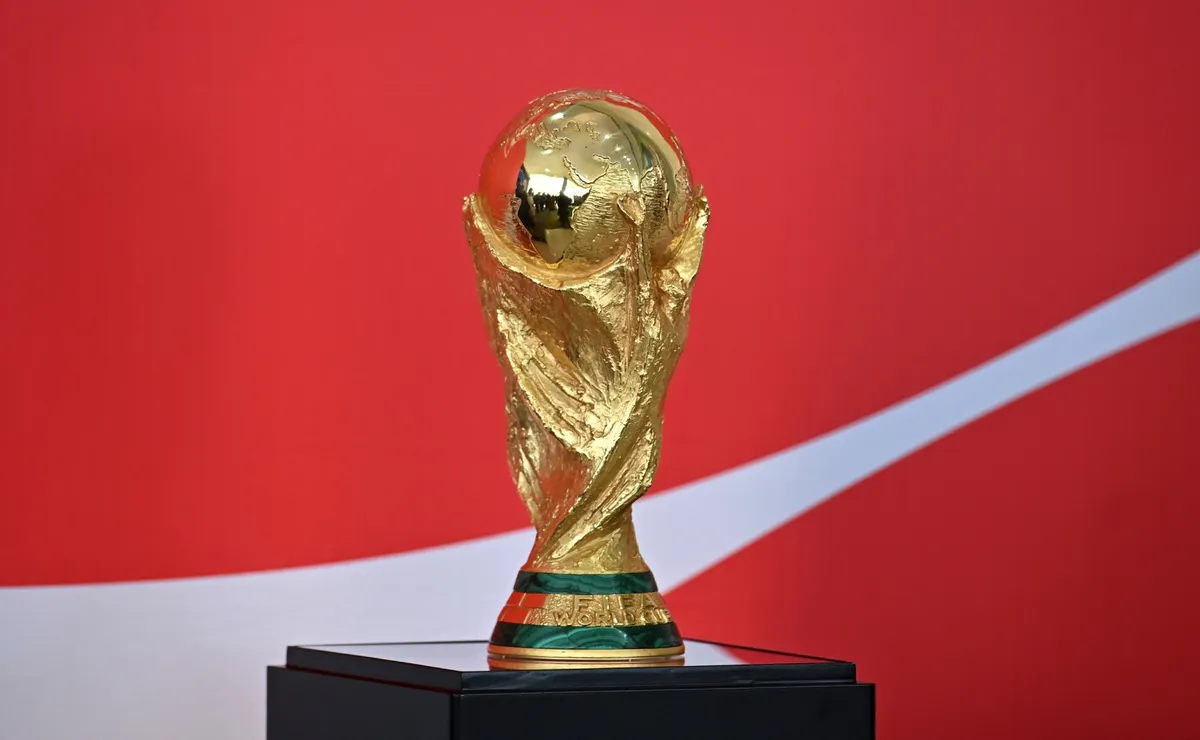
FIFA is set to introduce a notable package of rule changes for the 2026 World Cup, underscoring how the sport’s global governing body is using its marquee event as a testing ground for operational reform. With the tournament approaching in North America, the new measures center on speed, consistency, and tighter control of match tempo, with expanded VAR coverage and new anti-time-wasting protocols leading the way.
The International Football Association Board has spent recent months refining adjustments to the Laws of the Game in response to recurring match-day issues. Several of the changes have already been trialed in other competitions, including the Arab Cup and the U-20 World Cup, before being cleared for broader rollout next season and, most visibly, at the 2026 World Cup.
What is changing at the 2026 World Cup
10-second limit for substitutions
One of the most significant changes targets substitution delays. Players leaving the field will have a maximum of 10 seconds to exit, and failure to comply will trigger a one-minute delay before the replacement may enter. Instead of a yellow card for the departing player, the team will temporarily play short-handed, creating a direct competitive cost for slow changes.
Five-second countdown on restarts
Throw-ins and goal kicks, two of the most common pressure points for time-wasting, will now come with a five-second countdown. If a team exceeds the limit, possession will be handed over. The rule is designed to discourage the late-game stalling tactics that have long drawn criticism from fans, broadcasters, and commercial partners seeking a more fluid product.
Mandatory one-minute exit for treated players
Players who receive medical attention on the field will also be required to leave the pitch and wait one minute before returning, unless the injury results from a foul that earns a card or the player is a goalkeeper. The measure is aimed at reducing the strategic use of stoppages to slow the game and protect a lead.
VAR scope expands
Video review will also become more influential. VAR’s jurisdiction will now extend beyond penalty decisions and red-card incidents to include second yellow cards that lead to a dismissal, as well as incorrect corner-kick awards. That expansion gives officials more tools to correct visible errors, but it also deepens the technology’s footprint in a sport that has often been cautious about over-automation.
Captains only when speaking to referees
The rule limiting referee interactions to team captains is being given stronger enforcement. Any player other than the captain who approaches an official to contest a decision will receive an automatic yellow card. The intent is to reduce confrontation, streamline communication, and keep match control centralized.
Taken together, the changes point to a more disciplined and commercially optimized version of tournament football. Faster restarts, fewer stoppages, and broader video oversight are likely to improve broadcast rhythm and reduce dead time, which matters for a global event built on live viewing, sponsor exposure, and premium media rights.
At the same time, the new rules also introduce a more managed on-field environment, one that could alter tactics and force teams to adapt quickly. For FIFA, the 2026 World Cup is not just a competition; it is a platform to modernize the product and set a new standard for how elite football is officiated and consumed.
Why It Matters
FIFA is preparing a sweeping set of rule changes for the 2026 World Cup, including expanded VAR authority and stricter time-management enforcement designed to reduce delays and improve match flow. The changes reflect a more interventionist approach to officiating and could reshape how major tournaments are produced, broadcast, and commercially packaged.
Content Package
FIFA’s 2026 World Cup rule overhaul is all about pace and control: 10-sec subs, 5-sec restarts, stricter treatment delays, expanded VAR, and captains-only ref talks. Expect faster, tighter match operations. ⚽️⏱️
#WorldCup2026#FIFA#FootballRules#VAR#SportsBusiness
FIFA’s upcoming 2026 World Cup rule overhaul is more than a tweak to match procedure—it’s a clear signal that the tournament will be used as a testing ground for operational reform at the sport’s highest level. Key changes center on three themes: speed, consistency, and tighter control of match tempo. 1) Faster substitution implementation Players leaving the field will have just 10 seconds to exit. If teams don’t comply, they face a one-minute delay before the replacement can enter—creating a direct competitive cost for slow transitions rather than relying on deterrence through cards alone. 2) A five-second restart countdown Throw-ins and goal kicks will introduce a five-second limit. Exceed it, and possession is handed over. This is designed to curb late-game stalling tactics that have long frustrated fans and broadcasters—and to protect the global viewing experience for sponsors and rights holders. 3) Mandatory one-minute exit after medical treatment Those receiving medical attention will be required to leave the pitch and wait one minute before returning, with limited exceptions (e.g., injuries from fouls that earn a card, or goalkeepers). The objective: reduce the strategic use of stoppages to manage a lead. 4) Expanded VAR scope VAR’s jurisdiction expands beyond penalties and red-card incidents to include second-yellow dismissals and incorrect corner-kick awards. That increases the likelihood of correcting “visible errors,” but also deepens VAR’s role in day-to-day match management. 5) Captains-only communication with referees Referee interactions will be enforced more strictly: any non-captain player approaching an official to dispute a decision triggers an automatic yellow card. The intent is to streamline communication and centralize match control. Why this matters for the business of football Taken together, these reforms aim to deliver a more disciplined and commercially optimized product: fewer stoppages, faster restarts, and a larger technology footprint. For a global event built on live viewing, broadcast rhythm, and premium media rights, match “flow” is no longer just a sporting concern—it’s an operational priority. The tactical ripple effect At the same time, the rules will force teams to adapt quickly. Substitution timing, restart routines, and in-game leadership behavior could all shift—meaning the new standard will likely influence coaching decisions and match-day execution. Bottom line: FIFA is using 2026 as a platform to modernize how elite football is officiated and consumed. The question now is how quickly teams, referees, and broadcasters can adjust to a faster, tighter match environment.
#WorldCup2026#FIFA#FootballRules#VAR#SportsBusiness
Faster World Cup football is coming ⚽️⏱️ 10-sec subs, 5-sec restarts, stricter medical delays, expanded VAR + captains-only ref chats. More flow. More control. Are teams ready? #WorldCup2026 #FIFA #FootballRules #VAR #MatchDay #SportsBusiness #GameManagement #Officiating #TacticalChanges
#WorldCup2026#FIFA#FootballRules#VAR#SportsBusiness
FIFA is set to introduce major operational rule changes for the 2026 World Cup, aimed at speeding up play and tightening match control. New measures include a 10-second limit for substitutions, a 5-second countdown for throw-ins and goal kicks, mandatory one-minute exits after medical treatment (with exceptions), expanded VAR coverage, and stricter enforcement of captains-only communication with referees. What do you think—will these changes make the tournament more fluid and viewer-friendly, or will they create new tactical challenges for teams?
#WorldCup2026#FIFA#FootballRules#VAR#SportsBusiness
FIFA just dropped a big hint about what World Cup 2026 will feel like… faster and more tightly controlled. Here are the headline changes: 1) Substitutions: players leaving the field will have just 10 seconds. Drag it out and the team pays—replacement can’t come on for an extra minute. 2) Restarts: throw-ins and goal kicks get a 5-second countdown. Miss it and the other team gets possession. 3) Medical stoppages: if you’re treated, you must leave and wait one minute before returning. 4) VAR expands: it’ll cover more than just penalties and red cards, including second-yellow dismissals and incorrect corner decisions. 5) Ref communication: only the captain can challenge referees—others get an automatic yellow. So… will this make the World Cup feel smoother for fans and broadcasters, or will it change tactics in a way we’re not expecting? Comment your take.
#WorldCup2026#FIFA#FootballRules#VAR#SportsBusiness
World Cup 2026 is getting a rule makeover—and it’s all about match speed and control. First: substitutions. Players leaving the field have 10 seconds. If not, the replacement is delayed by one minute. Second: restarts. Throw-ins and goal kicks come with a 5-second countdown. Over the limit = possession to the other team. Third: medical treatment. If you get treatment, you must leave and wait one minute before returning. Fourth: VAR expands to cover more situations, including second-yellow dismissals and incorrect corner-kick awards. Fifth: captains only. If anyone other than the captain argues with the referee, it’s an automatic yellow. This could mean fewer stoppages, faster flow, and a more “broadcast-friendly” tournament. Are you excited—or worried teams will struggle to adapt? #WorldCup2026 #FIFA #VAR #FootballRules
#WorldCup2026#FIFA#FootballRules#VAR#SportsBusiness