FIFA’s final 2026 World Cup ticket drop exposes the business risks behind record demand
FIFA has set the final public ticket sales window for the 2026 World Cup, but the release is arriving amid intensifying backlash over pricing, access and resale speculation. The tournament’s expanded scale gives FIFA unprecedented revenue potential, yet it is also turning ticketing into a reputational flashpoint. As the last seats go on sale, the governing body is facing a growing test of whether premium demand can coexist with fan trust. The outcome could shape how future mega-events balance monetization with accessibility.
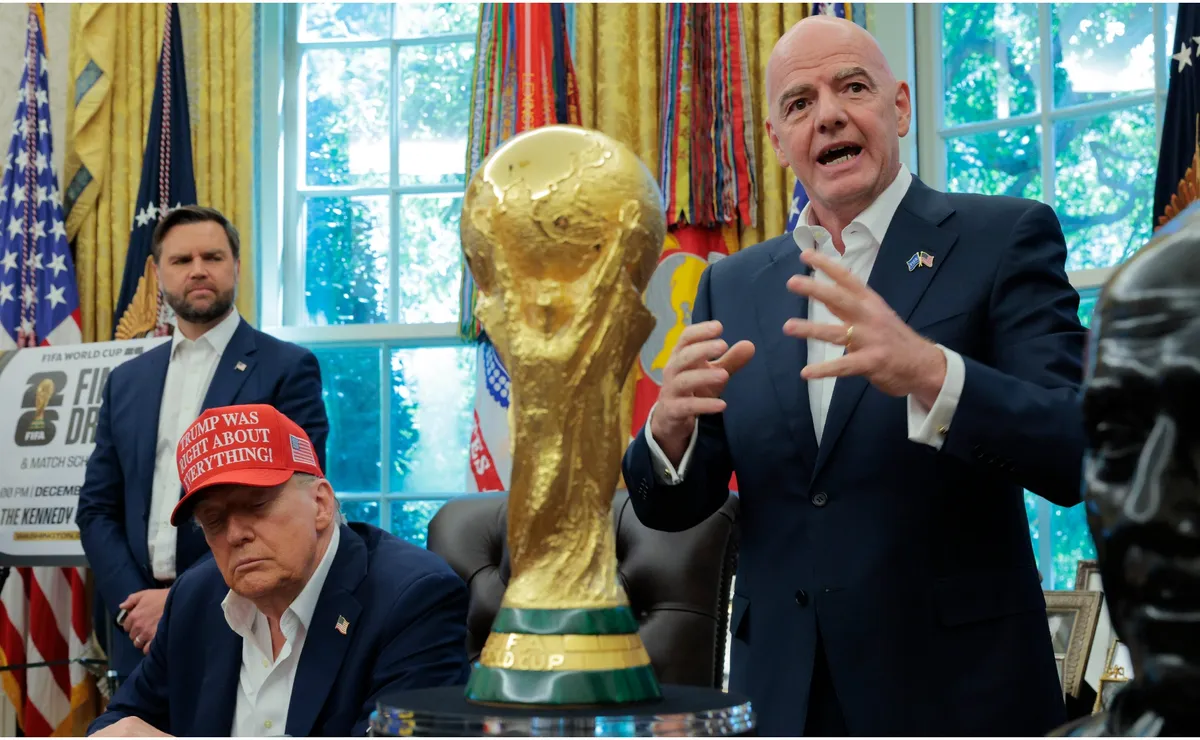
FIFA has locked in the final public ticket sales window for the 2026 World Cup, but the announcement lands at a moment when the commercial strategy around the tournament is drawing sharper criticism. As demand builds for the first 48-team World Cup across the United States, Mexico and Canada, the governing body is confronting a widening backlash over pricing, resale exposure and the mechanics of access.
The final sales phase is scheduled to open on April 1, with tickets available to the general public on a first-come, first-served basis starting at 11 a.m. ET. The release comes after the final six qualifying places are decided, including four European playoff winners and two intercontinental finalists, making it the last major inventory drop before the tournament begins.
From a business perspective, the scale of demand highlights FIFA’s ability to monetize the largest event in global sport. The 2026 World Cup will feature 48 teams and 104 matches, creating more ticket inventory than any previous edition and giving FIFA a broader platform to segment demand, experiment with pricing and maximize revenue across three host markets.
That expanded inventory, however, is also magnifying resistance. Supporter groups argue that the ticketing model has become a barrier instead of a gateway, especially for traveling fans who must already absorb airfare, lodging and cross-border logistics on top of volatile ticket prices. Critics say the system favors urgency and spending power over loyalty and accessibility.
For the first time in this ticketing cycle, fans will be able to select specific seats, a shift away from the previous rigid four-tier category structure. FIFA says the change is intended to improve clarity, and existing ticket buyers will be able to view their assigned seat locations beginning April 1. The added transparency may improve the consumer experience, but it does not resolve the larger affordability issue.
The most contentious point remains dynamic pricing. FIFA has defended the approach as a response to high demand, but consumer advocates and supporter organizations argue it effectively turns a global sporting event into a premium marketplace with limited safeguards. Final tickets have reportedly reached face-value prices as high as $4,185, while resale listings have climbed far higher in some cases, reaching $190,000 per seat.
One European supporter coalition has called the system a major betrayal, arguing that FIFA’s purchasing conditions are opaque and unfair. The group has also filed a formal complaint with the European Commission, alleging abuse of monopoly power. If that challenge gains traction, it could have implications well beyond the 2026 World Cup, potentially influencing how major sports properties structure ticket access for future mega-events.
FIFA has pointed to a small allocation of $60 tickets, but critics say those seats were effectively gone before general access opened. That has reinforced the view that low-cost inventory is more symbolic than meaningful, particularly for fans trying to secure seats in a market increasingly shaped by scarcity and speculation.
The final ticket release is therefore more than a sales milestone. It is a test of FIFA’s pricing power, a measure of how far fans will go to participate in the world’s most valuable tournament, and a case study in how premium sports inventory can generate record demand while simultaneously creating reputational risk.
Why It Matters
FIFA has set the final public ticket sales window for the 2026 World Cup, but the release is arriving amid intensifying backlash over pricing, access and resale speculation. The tournament’s expanded scale gives FIFA unprecedented revenue potential, yet it is also turning ticketing into a reputational flashpoint. As the last seats go on sale, the governing body is facing a growing test of whether premium demand can coexist with fan trust. The outcome could shape how future mega-events balance monetization with accessibility.
Content Package
FIFA locks the final 2026 World Cup ticket window for Apr 1 (11 a.m. ET). First-come, first-served + seat selection—yet backlash grows over dynamic pricing, resale shock, and $60 seats that reportedly vanish fast. #WorldCup2026
#WorldCup2026#FIFA#SportsBusiness
FIFA has confirmed the final public ticket sales window for the 2026 FIFA World Cup: opening April 1 at 11 a.m. ET on a first-come, first-served basis, after the last six qualifying spots are finalized. On paper, this is a major operational milestone for a tournament that will be bigger than ever—48 teams and 104 matches across the U.S., Mexico, and Canada. More matches typically means more inventory, and FIFA will be able to further segment demand and test pricing strategies across three host markets. However, the commercial upside is colliding with rising reputational risk. Fan groups and consumer advocates are increasingly focused on: 1) Dynamic pricing and affordability concerns Reports indicate face-value tickets have reached as high as $4,185, while resale listings have climbed dramatically—at times up to $190,000 per seat. Critics argue this turns a global sporting event into a premium marketplace where urgency and purchasing power matter more than accessibility. 2) Resale exposure and perceived access mechanics Supporters traveling across borders face additional costs (airfare, lodging, logistics) on top of volatile ticket pricing. The result: a growing perception that the ticketing structure creates barriers rather than gateways. 3) Transparency vs. impact For the first time in this cycle, fans can select specific seats, and existing buyers can view assigned seat locations starting April 1. FIFA frames this as improved clarity, but critics say transparency doesn’t solve the affordability problem. 4) Low-cost inventory skepticism FIFA points to a limited allocation of $60 tickets. Yet critics claim those seats effectively disappeared before general access began—intensifying the belief that low-cost inventory is more symbolic than real. One European supporter coalition has gone further by filing a formal complaint with the European Commission, alleging abuse of monopoly power. If that challenge gains traction, it could influence how major sports properties structure ticket access for future mega-events. Bottom line: April 1 isn’t just a sales date—it’s a real-world test of FIFA’s pricing power and a referendum on how far fans will go to participate in the world’s most valuable tournament amid growing concerns about fairness, transparency, and resale safeguards. What do you think FIFA should prioritize next: revenue optimization, stronger resale controls, or more meaningful affordability guarantees?
#WorldCup2026#FIFA#SportsBusiness
🚨 World Cup 2026 ticket window drops Apr 1 (11am ET)! Seat selection is back—but backlash is louder: dynamic pricing, resale spikes, and “$60” tickets allegedly gone fast. Who’s ready? 🌍⚽️ #WorldCup2026 #FIFA #Ticketing #SportsBusiness #FootballNews #DynamicPricing #Resale #Affordability
#WorldCup2026#FIFA#SportsBusiness
FIFA has set the final public ticket sales window for the 2026 World Cup, with tickets opening April 1 at 11 a.m. ET on a first-come, first-served basis. The update comes as demand surges for the expanded 48-team tournament—but criticism is growing over dynamic pricing, resale exposure, and whether low-cost tickets are truly accessible. For the first time, fans can also select specific seats, adding transparency amid the debate over affordability and access mechanics.
#WorldCup2026#FIFA#SportsBusiness
FIFA just set the final World Cup 2026 ticket window—opening April 1 at 11 a.m. ET. First-come, first-served, and for the first time you can pick specific seats. But here’s the problem: the backlash is getting louder. Reports say face-value tickets have climbed as high as $4,185, and resale listings have reportedly hit $190,000 per seat. Fans are also questioning the “$60 tickets” allocation—critics say those seats may have disappeared before general access. So… is this the biggest football event ever—or a premium marketplace that locks out regular supporters? Drop a comment: are you trying to get tickets?
#WorldCup2026#FIFA#SportsBusiness
FIFA’s big World Cup 2026 ticket update is here: the final public sales window opens April 1 at 11 a.m. ET. It’ll be first-come, first-served—and yes, fans can select specific seats for the first time. But demand is colliding with controversy. Critics say dynamic pricing is making tickets feel out of reach, with reports of face-value prices up to $4,185 and resale listings as high as $190,000 per seat. FIFA also mentions low-cost $60 tickets, but supporters claim those seats were gone before general access. So the real question isn’t just when tickets go live—it’s whether FIFA can balance revenue with fairness. What would you change: stronger resale limits or more guaranteed affordability? Comment below.
#WorldCup2026#FIFA#SportsBusiness