AC Milan’s Goretzka chase exposes the cost of a free transfer in modern squad building
AC Milan’s pursuit of Leon Goretzka is a case study in how a “free” transfer can still carry premium financial risk. The move could strengthen Massimiliano Allegri’s midfield, but the wage demands may force the club to stretch its salary structure and reshape its squad planning.
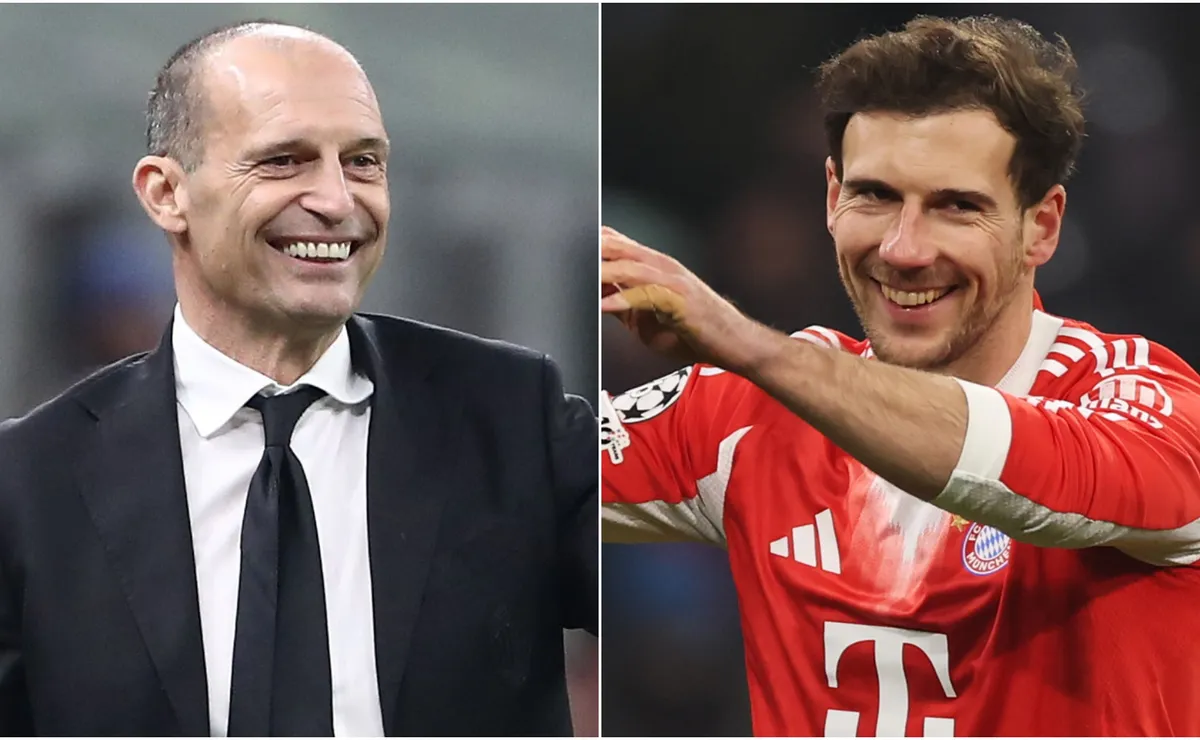
AC Milan’s pursuit of Leon Goretzka is not simply a search for midfield reinforcement. It is a revealing test of how far the club is willing to push its wage model in the name of competitive ambition.
The German midfielder fits neatly into Massimiliano Allegri’s tactical framework, bringing defensive range, ball progression and late attacking runs that could improve Milan’s midfield balance. On the sporting side, the logic is clear. On the business side, the deal is far more complicated.
Goretzka is available on a free transfer from Bayern Munich, a detail that would normally signal a major market opportunity. Yet the absence of a transfer fee does not make the move inexpensive. Reports indicate that the midfielder is seeking around €9 million in salary plus bonuses, while Milan’s offer is closer to €6 million to €7 million annually, supplemented by a signing bonus.
That gap is more than a routine negotiation. It highlights the hidden inflation that often defines modern free-agent business. Clubs can avoid paying a fee upfront, but they frequently end up redirecting that savings into wages, bonuses and other incentives that can reshape the entire cost structure of a squad.
For Milan, the real issue is not just whether Goretzka is worth the money. It is whether paying that level of salary for a 31-year-old midfielder fits the club’s broader financial discipline. A deal of this size would likely affect the internal pay hierarchy and could create pressure for future renewals and recruitment.
There is still optimism around the move, particularly because Goretzka is understood to be open to Serie A. That keeps Milan in the race despite interest from Arsenal, whose presence adds urgency and could force the Italian club to decide how aggressively it wants to compete for a player in his peak earning years.
From a squad-building perspective, Goretzka would not arrive as a direct replacement for Luka Modric. Instead, he would be expected to operate as a box-to-box presence, potentially competing with or overtaking Youssouf Fofana in the current structure. That would give Milan more physicality and more goal threat from midfield, especially with Ruben Loftus-Cheek’s availability affected by injury.
The risk, however, is tied to performance and timing. Goretzka’s form at Bayern Munich has been inconsistent, and his role has declined under new management. That makes him a classic market inefficiency if Allegri can revive his level, but an expensive liability if the decline continues.
Because the player is 31, Milan would be buying for immediate impact rather than future resale value. That changes the economics of the decision. The club would be trading long-term asset potential for short-term certainty, and the margin for error would be thin.
Any successful signing would also have knock-on effects throughout the roster. If Goretzka becomes a regular starter, it could limit opportunities for Samuele Ricci, one of Italy’s more promising midfield prospects, and force Milan to make difficult choices about development, rotation and succession planning.
That is why this pursuit matters beyond one player. It is a reminder that modern football strategy is increasingly shaped by wage discipline, opportunity cost and internal balance, not just talent identification. A free transfer can be disruptive in all the right ways — but only if the club can absorb the financial strain without weakening the rest of the squad.
For AC Milan, the Goretzka chase is a classic high-stakes business decision: pursue a proven player without a transfer fee, accept the premium salary that comes with it, and hope the sporting return justifies the financial stretch. The outcome could influence not only the club’s midfield composition, but also its broader recruitment philosophy.
Why It Matters
AC Milan’s pursuit of Leon Goretzka is a case study in how a “free” transfer can still carry premium financial risk. The move could strengthen Massimiliano Allegri’s midfield, but the wage demands may force the club to stretch its salary structure and reshape its squad planning.
Content Package
AC Milan’s Goretzka chase shows the “free” transfer tax: no fee, but a wage battle—€9m demands vs €6–7m offers. For a 31-year-old, it’s short-term risk with long-term ripple effects. #ACMilan #Goretzka
#ACMilan#LeonGoretzka#FootballBusiness
AC Milan’s pursuit of Leon Goretzka is a sharp case study in modern squad building—where the headline “free transfer” can hide the real cost. Sporting logic: Goretzka fits Massimiliano Allegri’s midfield needs with defensive reach, ball progression, and late attacking runs. If it clicks, Milan could gain physicality and goal threat, potentially shifting the internal pecking order against options like Youssouf Fofana—especially with injury impacting Ruben Loftus-Cheek. But the business side is where the story gets revealing. Reports suggest Goretzka is seeking around €9m in salary plus bonuses, while Milan’s offer is closer to €6–7m annually with a signing bonus. That gap isn’t just negotiation—it’s the modern “free transfer” paradox: clubs avoid an upfront fee, then absorb the value through wages, incentives, and contract structure. For Milan, the key question isn’t simply “Is he worth it?” It’s whether paying premium wages for a 31-year-old aligns with financial discipline and the club’s internal pay hierarchy. A deal of this size could create pressure for future renewals, affect recruitment flexibility, and force difficult choices in roster development—especially if regular minutes reduce the pathway for emerging talent like Samuele Ricci. There’s also performance and timing risk: inconsistent form at Bayern and a reduced role under new management make Goretzka a potential market inefficiency—valuable if Allegri revives his output, expensive if decline continues. With age limiting resale value, Milan would be trading long-term asset potential for short-term certainty. Ultimately, the Goretzka chase matters beyond one player. It’s a reminder that competitive ambition in today’s football is increasingly shaped by wage discipline, opportunity cost, and internal balance—not just talent identification. A free transfer can still be a high-stakes financial decision. What do you think: does Milan’s midfield need this kind of wage premium, or is the risk too high given the age and performance uncertainty?
#ACMilan#LeonGoretzka#FootballBusiness
Goretzka to Milan? “Free transfer” ≠ free cost 💸 Wage gap, signing bonus, and squad balance pressure. If Allegri unlocks him, it’s a win—if not, it’s a pricey gamble. #ACMilan #Goretzka #SerieA #FootballBusiness #WageStructure #SquadBuilding #Allegri #TransferNews
#ACMilan#LeonGoretzka#FootballBusiness
AC Milan’s Goretzka chase isn’t just squad improvement—it’s a wage-cap test. Free transfer, but €9m+ demands vs €6-7m offer could disrupt pay structure. Can Allegri get a best-version boost? ⚽️💰
#ACMilan#Goretzka#SerieA
AC Milan’s reported pursuit of Leon Goretzka reads like a classic “free transfer” opportunity—but the real story is the club’s wage-cap discipline. Sporting logic is clear. Goretzka fits Massimiliano Allegri’s system with the traits Milan need: defensive coverage, progressive ball-carrying, and late runs that can rebalance midfield contributions. With Ruben Loftus-Cheek’s availability affected by injury, the timing could be attractive. However, the financial mechanics are where the gamble emerges. While Goretzka is available on a free transfer from Bayern Munich, the salary expectation—around €9 million plus bonuses—clashes with Milan’s reported offer of €6–€7 million annually plus a signing bonus. That gap matters because it’s not just negotiation detail; it could force Milan to reshape internal pay bands to accommodate a premium wage commitment. This is the modern squad-building dilemma: pursue proven experience without paying a transfer fee, but accept that the wage bill becomes the real cost. With Goretzka’s recent form reportedly uneven under new management at Bayern, Milan would be paying for immediate impact at age 31—rather than banking on long-term upside. There’s also a sporting knock-on effect. If Goretzka slots into a starting central box-to-box role, it could reduce opportunities for Samuele Ricci and increase pressure on Milan’s midfield rotation and development pathway. In other words, the decision extends beyond one signing—it can alter depth, minutes, and talent strategy. Finally, external competition raises the stakes. Reports suggest Goretzka is open to Serie A despite Arsenal interest, but delays could allow rivals with greater financial flexibility to step in. Bottom line: Milan’s pursuit highlights how financial discipline and ambition now collide. If Milan close the gap and Allegri restores Goretzka’s best level, it could be a high-value efficiency play. If not, it risks becoming a costly disruption to both the wage structure and squad balance. What do you think—does Milan have the right strategy here, or is this a wage-cap compromise dressed up as a “free” deal?
#ACMilan#Goretzka#SerieA
AC Milan want Goretzka—FREE transfer, but the REAL price is wages. €9m+ demands vs €6–7m offer could shake the wage-cap + midfield depth. Can Allegri revive him? ⚽️💸 #ACMilan #Goretzka #SerieA #Allegri #TransferNews #WageCap #FootballBusiness #Midfield
#ACMilan#Goretzka#SerieA
AC Milan’s reported pursuit of Leon Goretzka shows how “free transfer” deals can still be expensive. The midfielder is available from Bayern on a free, but salary demands of around €9m (plus bonuses) reportedly clash with Milan’s €6–€7m offer. If negotiations fail, it could disrupt the club’s wage structure and midfield planning—especially with Allegri’s system and competition for spots in mind.
#ACMilan#Goretzka#SerieA
AC Milan want Leon Goretzka… but this deal isn’t just about football. Yes, he’s available on a free transfer from Bayern. But the real cost is wages. Reports say Goretzka wants around €9 million plus bonuses, while Milan’s offer is closer to €6–€7 million plus a signing bonus. So what’s the risk? If Milan stretch the wage cap, it could disrupt their pay structure and rotation—especially for younger midfield talent. Sporting upside? Goretzka could fit Allegri’s system: defensive coverage, ball progression, and late attacking support. But with his form reportedly uneven at Bayern, Milan would be paying for immediate impact at age 31. In short: free transfer… expensive gamble. Will Milan close the gap?
#ACMilan#Goretzka#SerieA
AC Milan’s Goretzka pursuit is a headline—but the real story is the wage-cap. Goretzka is reportedly available on a free from Bayern, which sounds like a smart move. But the salary numbers are the problem: he’s said to be seeking around €9m plus bonuses, while Milan’s offer is closer to €6–€7m annually with a signing bonus. That gap could force Milan to adjust their internal pay structure—meaning it’s not just a signing, it’s a budgeting decision. Sporting fit? Allegri could use Goretzka’s box-to-box balance: defensive coverage, progressive passing, and late support in attack. But the business risk is obvious: if his recent form doesn’t improve, Milan could pay premium wages for declining performance—while also impacting midfield minutes for players like Ricci. So—free transfer or costly gamble? Milan’s next move could set the tone for their whole recruitment strategy.
#ACMilan#Goretzka#SerieA
AC Milan’s pursuit of Leon Goretzka is more than a midfield upgrade—it’s a test of modern squad economics. Even without a transfer fee, reports suggest a major wage premium is on the table (€9m demands vs €6–7m offers). With Goretzka aged 31, Milan would be buying immediate impact, risking disruption to pay hierarchy and development pathways. The decision could shape not only their midfield, but their recruitment philosophy going forward.
#ACMilan#LeonGoretzka#FootballBusiness
AC Milan are chasing Leon Goretzka, and here’s the twist: it’s a “free transfer”… but not a free deal. Reports say Bayern are letting him go, yet Goretzka wants around €9 million in wages plus bonuses. Milan’s offer is closer to €6–7 million with a signing bonus. So what’s really being paid? The value shifts from transfer fee to salary and incentives—classic modern squad-building math. Sporting-wise, Allegri could use his defensive range, ball progression, and late runs. But at 31, Milan are buying for now, not resale—meaning the margin for error is thin. If it works, it upgrades the midfield. If not, it becomes an expensive liability. Would you take the risk?
#ACMilan#LeonGoretzka#FootballBusiness
AC Milan want Leon Goretzka—and it’s a perfect example of the “free transfer” myth. No transfer fee, but the wage bill is the real headline. Reports suggest Goretzka is asking for about €9 million a year plus bonuses, while Milan’s closer to €6–7 million with a signing bonus. That € gap can reshape the whole squad’s cost structure. Sporting upside? Goretzka fits Allegri’s midfield: defensive range, quick progression, and late attacking runs. He’d likely compete with or even overtake Youssouf Fofana, especially with Loftus-Cheek affected by injury. But the risk is age and form. At 31, Milan are paying for immediate impact—no time for a long resale story. And if he doesn’t deliver, it’s a pricey performance problem. So: upgrade your midfield with a premium wage… or protect the wage discipline? What would you choose?
#ACMilan#LeonGoretzka#FootballBusiness