AC Milan’s Goretzka Pursuit Exposes the Hidden Cost of “Free” Transfers
AC Milan’s reported move for Leon Goretzka highlights a central flaw in football’s transfer market: players who arrive without a fee can still become among the most expensive assets a club acquires. The real cost often shifts into wages, bonuses, and long-term payroll commitments, making “free” transfers anything but cheap.
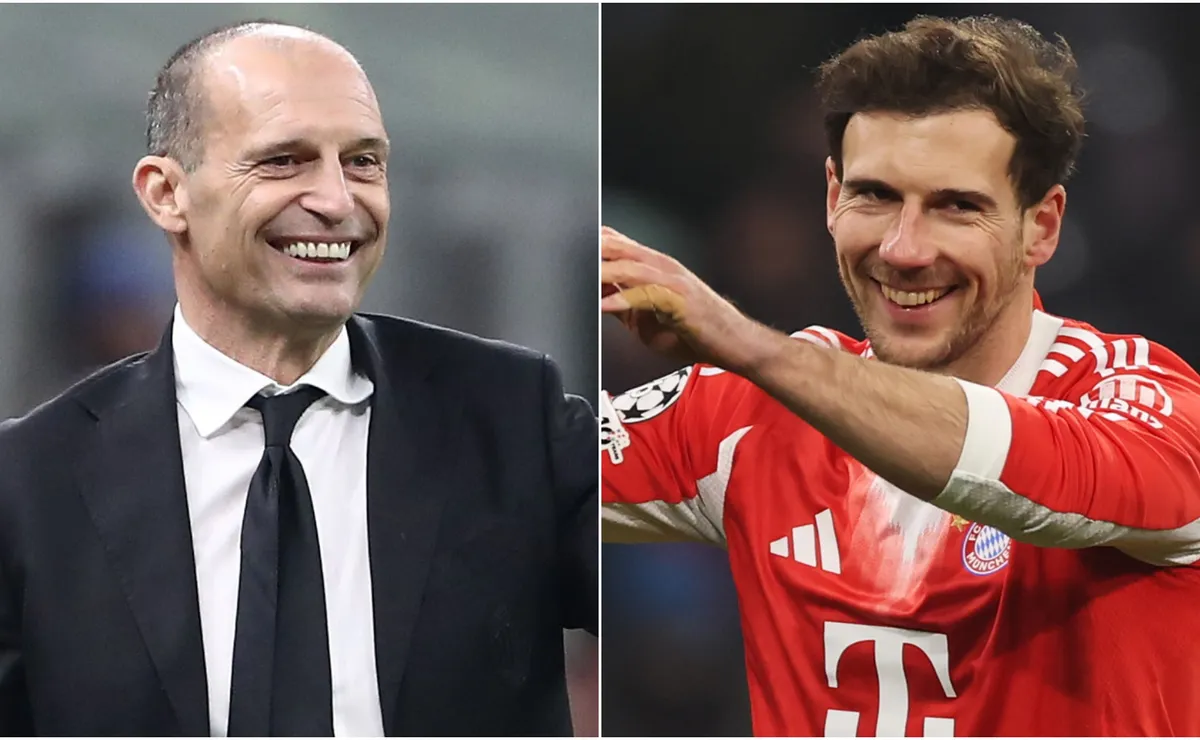
AC Milan’s reported interest in Leon Goretzka underscores one of football’s most persistent market inefficiencies: elite players can be available without a transfer fee and still command a premium that stretches even disciplined clubs. On the surface, a free transfer appears to be a bargain. In reality, it often simply moves the expense from the transfer column into wages, bonuses, and long-term financial commitments.
From a sporting standpoint, the fit is easy to understand. Goretzka offers size, versatility, and the physical presence that can raise a midfield’s intensity both in transition and in the final third. From a business standpoint, the attraction is just as clear: removing an upfront fee lowers immediate capital outlay, but it does not reduce the total cost of acquisition.
That distinction is where negotiations become complicated. Reports indicate Goretzka is seeking a package worth around €9 million plus bonuses, while Milan are believed to be operating closer to €6-7 million per season with a signing bonus. The gap is more than a disagreement over valuation. It reflects a broader strategic question about how much Milan is willing to pay for experience, reliability, and short-term impact without disrupting its internal wage structure.
Free transfers are rarely free. They often relocate costs into salary obligations, agent commissions, and performance incentives, producing a deal structure that can look efficient at first glance but become restrictive over time. For clubs prioritizing cost control, that model can be appealing. For clubs trying to preserve wage discipline and maintain a clear hierarchy inside the squad, it can quickly become a liability.
Milan’s leverage is also shaped by the market around it. Arsenal are reportedly monitoring the situation, which weakens Milan’s negotiating position and raises the risk of a bidding dynamic around a no-fee opportunity. In that kind of environment, hesitation can become expensive, and a manageable deal can escalate quickly.
On the pitch, Goretzka would not be a direct replacement for Luka Modrić. Instead, he would likely be targeted for a more physical box-to-box role, bringing vertical running, ball progression, and late support in attack. That profile could help Milan solve a midfield problem, particularly with Ruben Loftus-Cheek sidelined by injury.
Even so, the downside is obvious. Goretzka’s role at Bayern Munich has diminished, and he is no longer the automatic starter he once was. That creates a familiar recruitment dilemma for top clubs: are they paying for a still-useful veteran, or for the reputation of a player whose peak influence may already be behind him?
At 31, Milan would be making a short-term financial bet rather than a developmental investment. If the impact is immediate, the move could look like a smart exploitation of market inefficiency. If the return is slow or limited, the contract could become expensive relative to output, especially if it limits opportunities for other midfield options already on the roster.
The broader consequence is organizational. A signing like Goretzka would not only affect tactical choices; it would also shape payroll planning, narrow pathways for younger players, and influence future squad-building decisions. If he is integrated effectively, Samuele Ricci’s route to regular involvement could become more crowded, forcing Milan to reconsider the role of one of its domestic development investments.
That is why this pursuit matters beyond a single transfer. Milan is not simply evaluating a midfielder. It is deciding how much certainty is worth in a market where “free” talent often comes with hidden costs. The outcome will reveal how aggressively the club is willing to spend in order to reduce sporting risk without distorting its financial model.
Why It Matters
AC Milan’s reported move for Leon Goretzka highlights a central flaw in football’s transfer market: players who arrive without a fee can still become among the most expensive assets a club acquires. The real cost often shifts into wages, bonuses, and long-term payroll commitments, making “free” transfers anything but cheap.
Content Package
AC Milan’s Goretzka pursuit shows the modern transfer paradox: free agents cut fees, but wages/bonuses can still make it a “premium” deal. The real question—can Milan bridge the €9m vs €6-7m gap?
#ACMilan#Goretzka#TransferNews
AC Milan’s reported interest in Leon Goretzka isn’t just another name on a summer shortlist—it highlights a bigger economic issue in today’s squad-building. The modern playbook is clear: target proven players who are available without a transfer fee, then win the deal through wages, bonuses, and role definition. On paper, a free-agent signing looks like low-risk recruitment—less upfront cost, faster value if the player adapts quickly. But the Goretzka case underscores where the “hidden cost” really lives. Reports suggest Goretzka is seeking a package around €9 million plus bonuses, while Milan are reportedly prepared to offer €6–7 million per season with a signing bonus. That isn’t minor negotiation friction; it can determine whether a club keeps recruitment disciplined or commits to a wage structure that reshapes the entire roster. From a sporting standpoint, the fit is logical. Goretzka’s profile—physical, versatile, and capable in both phases—matches what Massimiliano Allegri wants in midfield. He’d be expected to provide box-to-box dynamism and vertical attacking presence, particularly with Ruben Loftus-Cheek sidelined by injury. Yet there’s a second layer of risk: performance trajectory. At 31, the expectation is immediate impact, but Goretzka’s role at Bayern has reportedly diminished. For Milan, the dilemma becomes whether they’re paying for the player’s experience and reputation—or for the version of the athlete who may not replicate peak output. Finally, the move has roster-management consequences. If integrated successfully, it could push Samuele Ricci down the depth chart and potentially increase the likelihood of an exit scenario for a promising domestic asset. In other words, this isn’t only about adding a midfielder; it’s about minutes, wage allocation, and the opportunity cost of developing younger talent. With Arsenal also reportedly monitoring the situation, Milan’s leverage may be limited. In a market where free agents can quickly turn into bidding wars, “no fee” doesn’t automatically mean “cheap.” Ultimately, the Goretzka pursuit is a test of Milan’s strategic discipline: how aggressively are they willing to pay for certainty, and what trade-offs will they accept to compete at the top without inflating the wage bill?
#ACMilan#Goretzka#TransferNews
AC Milan want Leon Goretzka = smart fit 🎯 but the real fight is €€: wages + bonuses. Free transfer ≠ low cost. Can Allegri get the peak version? #ACMilan #SerieA #Goretzka #TransferNews #FootballBusiness #Allegri #FreeTransfer
#ACMilan#Goretzka#TransferNews
AC Milan’s reported pursuit of Leon Goretzka shows a growing problem in the transfer market: talent is available, but the price is often in wages and bonuses—not transfer fees. While a free-agent deal can reduce upfront costs, the reported gap (€9m+ with bonuses vs €6–7m per season) could significantly affect Milan’s wage structure and squad balance. Sporting fit is clear—Goretzka’s physical, versatile midfield profile aligns with Allegri’s needs—but the risk is whether Milan are paying for a player at his peak or a version with a reduced role. With Arsenal also monitoring the situation, Milan’s patience may be costly. In the end, this isn’t just about signing a midfielder—it’s about minutes, development pathways, and long-term roster strategy.
#ACMilan#Goretzka#TransferNews
AC Milan are reportedly after Leon Goretzka—and it’s a perfect example of the modern transfer paradox. On paper: free agent. That sounds like a smart, low-cost move. But here’s the twist—most of the money shifts to wages and bonuses. Reports say Goretzka wants around €9 million plus add-ons, while Milan are closer to €6–7 million per season. That wage gap can change everything: squad hierarchy, future minutes for younger players, and even the club’s wage structure. Sporting fit? Allegri would love Goretzka’s physical, box-to-box profile—especially with midfield options affected by injury. But at 31, Milan have to ask: are they buying the name and experience—or the peak performance version? So the real question isn’t “Can Milan sign him?” It’s “Can Milan afford the version of him they’re paying for?”
#ACMilan#Goretzka#TransferNews
AC Milan’s Goretzka pursuit isn’t just a transfer story—it’s a market warning. Free agents sound cheap because there’s no transfer fee. But in reality, the cost moves to wages and bonuses. Reports suggest Goretzka wants ~€9m plus bonuses, while Milan are reportedly offering €6–7m per season with a signing bonus. That gap isn’t small—it can reshape a club’s wage structure. On the pitch, the fit makes sense: Allegri needs a physical, versatile midfielder who can contribute in both phases and add vertical attacking presence. But there’s risk. If Goretzka’s role at Bayern has declined, Milan must decide whether they’re paying for peak output—or for experience that may not fully translate. And long-term? This could affect minutes for players like Samuele Ricci. So the real question: is Milan getting a bargain—or just paying a different price?
#ACMilan#Goretzka#TransferNews
“Free” transfers aren’t free. Milan’s reported Goretzka chase shows the modern market truth: no fee can still mean €9m+ in wages/bonuses—testing discipline. Sporting fit vs financial ceiling. #ACMilan
#ACMilan#Goretzka#TransferMarket
AC Milan’s reported pursuit of Leon Goretzka is a useful case study in one of the most persistent inefficiencies in today’s transfer market: even when a player is technically available on a free transfer, the total package can still carry a premium. On paper, the economics look clean. A “free” move removes the transfer fee and pushes the investment into compensation structure—wages, signing bonuses, agent fees, and performance incentives. But that shift doesn’t eliminate cost; it changes where the cost sits and how it impacts the club’s financial model. According to reports, Goretzka is seeking a package around €9 million plus bonuses, while Milan are believed to be closer to €6–7 million per season with a signing bonus. That gap isn’t just negotiation noise—it reflects a fundamental difference in valuation and, crucially, in how much payroll flexibility Milan is willing to surrender. Sporting fit is the easy part to understand. Goretzka profiles as a physical, two-way midfielder who can stabilize transitions and add vertical running—exactly the kind of profile clubs pursue when they need dynamic output. With Ruben Loftus-Cheek sidelined by injury, that urgency becomes even more pronounced. But the business risk is where the decision gets complicated. At 31, Milan would be buying for immediate impact, not long-term development. With Goretzka’s role at Bayern having diminished, Milan must weigh whether they’re paying for still-valuable veteran quality—or for a player whose peak influence may already be behind him. There’s also the competitive factor. Arsenal are reportedly monitoring the situation, which reduces Milan’s leverage and can accelerate upward pressure on wages and bonuses. In markets like this, patience can become expensive. Finally, the organizational impact matters. A high-earning signing can alter the club’s wage hierarchy, affect squad dynamics, and potentially narrow pathways for younger talent. In Milan’s case, it could even influence how viable certain development investments remain. Bottom line: this isn’t only a midfield recruitment question. It’s a question of how much certainty Milan values in a market where “free” talent often arrives with hidden costs. The outcome will reveal whether the club is prepared to spend aggressively to reduce sporting risk—or whether it will protect its financial structure even if it means walking away.
#ACMilan#Goretzka#TransferMarket
“Free” transfers aren’t free 💸 Milan’s Goretzka chase shows the real cost = wages + bonuses + incentives. Sporting fit? Clear. Financial risk? Huge. Who wins the valuation battle? 🔴⚫️ #ACMilan #Goretzka #Transfers #FootballBusiness #SerieA #WageBill #FreeTransfer
#ACMilan#Goretzka#TransferMarket
AC Milan’s reported interest in Leon Goretzka highlights a key truth in modern football: a free transfer can still be a premium deal. With negotiations reportedly centered around a significant wage/bonus gap, the decision could test Milan’s financial discipline while addressing a midfield need. What looks like a bargain upfront may carry hidden costs in payroll structure and squad impact. Plus, competition from Arsenal could further raise the price.
#ACMilan#Goretzka#TransferMarket
Milan fans—here’s the twist in the Goretzka story. People keep saying “free transfer,” but free usually means the fee disappears… and the money moves to wages and bonuses. Reports suggest Goretzka wants around €9m plus add-ons, while Milan are closer to €6–7m. That gap matters because it can raise the club’s pay ceiling. Sporting-wise, he fits: big, physical, two-way midfield energy—especially with injuries affecting options. But at 31, Milan aren’t buying a long-term project, they’re betting on immediate impact. And with Arsenal reportedly monitoring, Milan’s leverage drops. So this isn’t just a midfield signing—it’s a test of how disciplined Milan will be in a market where “free” talent isn’t really free. Would you take the risk?
#ACMilan#Goretzka#TransferMarket
AC Milan’s Goretzka chase is the perfect example of why “free” transfers aren’t free. Even without a transfer fee, the club still pays through wages, signing bonuses, agent fees, and performance incentives. Reports suggest Goretzka is looking for a deal around €9 million plus bonuses, while Milan’s offer is believed to be closer to €6–7 million per season. That difference is huge because it can push Milan’s wage hierarchy higher—making it harder to manage payroll flexibility long-term. On the pitch, the fit is clear: Goretzka brings size, versatility, and a physical two-way presence, especially valuable if midfield options are impacted by injuries. But at 31, Milan are buying for immediate impact. With his role at Bayern reportedly reduced, the question becomes: are they paying for a still-elite contributor—or for a player whose peak influence may already be behind him? And with Arsenal monitoring, Milan may have less leverage. So is this a smart calculated move… or a premium mistake?
#ACMilan#Goretzka#TransferMarket
AC Milan’s reported interest in Leon Goretzka highlights one of football’s most stubborn market inefficiencies: the idea that a “free transfer” is automatically a bargain. On paper, avoiding a transfer fee looks like immediate financial discipline. In reality, the costs don’t disappear—they migrate. They typically reappear in wages, signing bonuses, agent fees, and performance incentives. That can make the total cost of acquisition significantly higher than the club’s initial “fee-free” narrative suggests. From a sporting standpoint, the attraction is clear. Goretzka offers size, versatility, and physical presence—traits that can strengthen a midfield designed for transition and power in advanced areas. Reports also frame the negotiation as a choice between certainty and cost control: Goretzka’s camp is reportedly seeking around €9m plus bonuses, while Milan are believed to be closer to €6–7m per season with a signing bonus. But the business question is bigger than one number. Milan must evaluate how a high-profile signing affects: - Wage structure and internal hierarchy - Squad planning and minutes allocation - The long-term payroll commitment versus short-term sporting return - Development pathways for younger midfielders The market dynamics also matter. With Arsenal reportedly monitoring the situation, Milan’s leverage weakens. In no-fee races, delay can become expensive—competition can push compensation upward even when the transfer fee is €0. Tactically, Goretzka wouldn’t be a direct like-for-like for Luka Modrić. The likely role is a more physical, box-to-box profile—vertical running, ball carrying, and late support. That could be especially valuable if midfield options are impacted (with Ruben Loftus-Cheek reportedly sidelined by injury). Still, there’s recruitment risk. At 31, this is a short-term bet rather than a developmental investment. With Goretzka’s role at Bayern reportedly diminished, the key decision becomes whether Milan is paying for a still-valuable veteran impact—or for a reputation that may not translate into peak output. Ultimately, this pursuit isn’t just about acquiring a midfielder. It’s about how aggressively Milan is willing to spend to reduce sporting uncertainty without distorting its financial model. The outcome will reveal how the club balances “market inefficiency” against long-term cost discipline.
#ACMilan#Goretzka#FootballTransfers#FootballBusiness#SerieA
“Free” transfers can be the most expensive deals 👀 Milan + Goretzka? The fee’s gone, but the wages/bonuses aren’t. Smart business—or a payroll trap? #ACMilan #Goretzka #FootballBusiness #Transfers #SerieA #Wages #AgentFees
#ACMilan#Goretzka#FootballTransfers#FootballBusiness#SerieA
AC Milan’s reported interest in Leon Goretzka is a reminder that “free” transfers rarely mean free costs. While there’s no transfer fee, the money often shifts into wages, bonuses, and long-term payroll commitments. With other clubs reportedly watching too, delay could inflate the final price. The real question: will the midfield impact justify the expense?
#ACMilan#Goretzka#FootballTransfers#FootballBusiness#SerieA
AC Milan are reportedly chasing Leon Goretzka—and it’s the perfect example of why “free” transfers can be the most expensive deals. No transfer fee sounds great… but the cost usually moves into wages, signing bonuses, agent fees, and performance incentives. Reports suggest Goretzka wants around €9 million plus bonuses, while Milan are closer to €6–7 million per season. That gap isn’t just negotiation—it’s about how much certainty Milan is willing to pay for. And there’s more risk: at 31, this is a short-term bet. If his minutes or impact don’t match the contract, it can squeeze other midfield options and even affect younger players. So the big question: is Milan buying immediate midfield power—or taking on a long-term payroll burden?
#ACMilan#Goretzka#FootballTransfers#FootballBusiness#SerieA
AC Milan’s “free transfer” target? Leon Goretzka. But here’s the twist: €0 transfer fees don’t mean €0 cost. The money usually shifts into wages, signing bonuses, agent commissions, and performance incentives. Reports say Goretzka is seeking about €9 million plus bonuses, while Milan are reportedly around €6–7 million per season. That gap shows the real debate—how much should a club pay for certainty and short-term impact without breaking wage discipline? On the pitch, he’d add size and physicality in a box-to-box midfield role—especially useful if midfield options are limited by injury. Off the pitch, the risk is long-term: at 31, it’s a short-term bet, and if his role at Bayern has already declined, Milan could end up paying for reputation rather than output. So is this smart use of market inefficiency—or an expensive payroll trap?
#ACMilan#Goretzka#FootballTransfers#FootballBusiness#SerieA
“Free” transfers aren’t free—AC Milan’s Goretzka chase shows how €0 fees can mean €9m wages/bonuses. The real test: does the midfield impact justify the long-term payroll risk? #ACMilan
#ACMilan#Goretzka#FootballTransfers#FootballBusiness#SerieA
Milan’s Goretzka pursuit shows the “free transfer” myth: no fee, but massive costs in wages, bonuses, and signing fees. Negotiation gaps can decide whether Milan protect wage discipline—or stretch it. #ACMilan
#ACMilan#Goretzka#FootballTransfers
AC Milan’s reported interest in Leon Goretzka is a timely reminder that the modern transfer market rarely delivers true bargains. On paper, a “free” transfer looks efficient: no transfer fee to negotiate, no upfront payout. But the financial burden doesn’t disappear—it gets redistributed into wages, signing bonuses, agent fees, and performance incentives. Why that matters: those costs can be attractive for cash-flow management in the short term, yet they can create long-term payroll pressure. Reports suggest Goretzka is seeking a package around €9m plus bonuses, while Milan are believed to be closer to €6–7m per season with a signing bonus. That gap isn’t just a negotiation detail—it’s a valuation test that could determine whether Milan maintains wage discipline or raises its internal salary ceiling for a player not acquired for a transfer fee. The “free” label can also distort leverage. With Arsenal reportedly monitoring the situation, competition can quickly inflate the final cost. In other words, the absence of a transfer fee no longer guarantees affordability once multiple clubs treat the player as a market opportunity. From a sporting standpoint, Goretzka would likely offer a more physical, box-to-box profile—vertical running, ball-carrying, and late support in attack—potentially fitting Milan’s needs, especially with Ruben Loftus-Cheek sidelined by injury. But at 31, the risk profile shifts: Milan would be buying immediate utility, not long-term upside, and the club must be confident the role matches current production. The bigger organizational question may be the most important one: how does a signing like this affect wage hierarchy, succession planning, and the development pathway for younger talent? Ultimately, Milan aren’t just deciding whether to add a midfielder. They’re deciding how much certainty is worth in a market where “free” talent can carry expensive consequences. The outcome will reveal how well the club balances sporting ambition with financial discipline in an increasingly unforgiving transfer economy.
#ACMilan#Goretzka#FootballTransfers
“Free” transfers aren’t free ❌💸 Milan’s Goretzka chase shows hidden costs: wages, bonuses, signing fees + wage-hierarchy pressure. Value ≠ zero fee. #ACMilan #Goretzka #Transfers #FootballBusiness #SerieA #WageBudget #SportsFinance
#ACMilan#Goretzka#FootballTransfers
AC Milan’s reported pursuit of Leon Goretzka highlights a key shift in today’s transfer market: “free” doesn’t mean cheap. Even without a transfer fee, clubs can pay heavily through wages, bonuses and signing packages—making negotiations and squad planning just as critical. What’s the real cost of a no-fee deal?
#ACMilan#Goretzka#FootballTransfers
In 2026, “free transfers” aren’t really free. Milan are reportedly in talks for Leon Goretzka, and here’s the hidden cost: no fee up front—but the money moves into wages, signing bonuses, agent fees, and performance add-ons. That can squeeze a club’s wage structure long-term. And with other teams, like Arsenal, monitoring the situation, Milan’s leverage drops—so the final price can still jump. The real question isn’t “Is he available for free?” It’s “Can we afford the contract—and still protect squad planning?”
#ACMilan#Goretzka#FootballTransfers
AC Milan’s Goretzka chase is proof that “free transfers” can be financially complicated. Sure, there’s no transfer fee—but the cost doesn’t vanish. It shifts into wages, signing bonuses, agent fees, and performance incentives. Reports say Goretzka wants around €9m plus bonuses, while Milan are closer to €6–7m per season with a signing bonus. That gap is a valuation test for the club’s wage discipline. Also, competition matters: if other clubs are watching, the absence of a fee won’t guarantee a bargain. The key issue? Whether the sporting upside matches the contract cost—especially at 31.
#ACMilan#Goretzka#FootballTransfers
AC Milan’s reported Goretzka interest shows the “free transfer” myth: no fee can still mean big costs in wages, bonuses, and structure. The real question—how much risk is Milan willing to pay to reduce it?
#ACMilan#Goretzka#FootballTransfers#WorldSoccerTalk#SerieA#FootballBusiness#WageStructure
AC Milan’s reported pursuit of Leon Goretzka highlights a recurring inefficiency in modern football markets: elite talent can be “available for free” yet still carry a premium price tag. On paper, a free transfer looks like disciplined recruitment—no transfer fee, lower upfront spending, and smoother cash-flow planning. But the cost rarely disappears. It typically migrates from the transfer column into the contract itself: higher wages, signing bonuses, agent fees, and performance-related incentives. In other words, the bargain often becomes a long-term financial commitment. Why Milan would want Goretzka is clear on the sporting side. His physical profile and midfield versatility can raise intensity in transition and in the final third—attributes that fit a box-to-box, vertical-running role. Reports also suggest Milan’s need is intensified by Ruben Loftus-Cheek’s injury, making immediate impact valuable. However, the business side is where negotiations get complicated. If Goretzka’s camp is seeking a package around €9m plus bonuses while Milan’s target is closer to €6–7m per season with a signing bonus, the gap isn’t just valuation—it’s about how the deal interacts with Milan’s wage discipline and internal squad hierarchy. There’s also market pressure. Arsenal are reportedly monitoring the situation, which can weaken Milan’s leverage and increase the risk of a bidding dynamic—even when no transfer fee is involved. At 31, this would be a short-term bet rather than a developmental investment. With Goretzka’s role at Bayern having diminished, the strategic question becomes: are clubs paying for reliable, still-useful output—or for reputation and past influence that may no longer match the player’s current level? Finally, the organizational impact matters. A contract of this scale doesn’t just affect tactics; it can shape payroll planning, narrow pathways for younger midfield options, and influence how easily players like Samuele Ricci can integrate into regular involvement. That’s why this pursuit matters beyond one name. Milan isn’t only recruiting a midfielder—it’s testing how much certainty it’s willing to buy in a market where “free” talent often comes with hidden costs. The outcome will reveal whether Milan can exploit market inefficiencies without distorting its financial model.
#ACMilan#Goretzka#FootballTransfers#WorldSoccerTalk#SerieA#FootballBusiness#WageStructure
AC Milan linked with Leon Goretzka—and it’s a reminder: “free transfers” aren’t really free. 💸 Costs shift to wages, bonuses & structure. The midfield fit is clear… the financial risk is the real story. #ACMilan #Goretzka #FootballBusiness #TransferMarket #SerieA #WageStructure #SportsAnalytics #Calcio
#ACMilan#Goretzka#FootballTransfers#WorldSoccerTalk#SerieA#FootballBusiness#WageStructure
AC Milan’s reported interest in Leon Goretzka spotlights a key issue in today’s transfer market: deals that look “free” often carry hidden costs. Without a transfer fee, clubs still pay through wages, signing bonuses, agent commissions, and incentives—meaning the true expense can be higher than it appears. From a football perspective, Goretzka’s size and versatility could help Milan’s midfield, especially with injury concerns. But at 31, the decision is also about value and risk: is it a smart, immediate solution or an expensive contract relative to output? With Arsenal reportedly monitoring the situation, Milan’s leverage may be limited—making negotiation and squad planning even more crucial.
#ACMilan#Goretzka#FootballTransfers#WorldSoccerTalk#SerieA#FootballBusiness#WageStructure
AC Milan fans, here’s the twist about “free transfers.” 👀 Milan are reportedly interested in Leon Goretzka—no transfer fee sounds like a bargain, right? But in football, “free” usually just means the cost moves. Instead of paying a fee, clubs pay in wages, signing bonuses, agent commissions, and performance incentives. So the real question isn’t “Can Milan afford Goretzka?” It’s “Can Milan afford the contract structure—and still keep wage discipline?” On the pitch, Goretzka’s physical, box-to-box profile could boost midfield intensity, especially with injury issues. But at 31, Milan are taking a short-term bet. If his impact isn’t immediate, the deal can get expensive fast. And with Arsenal reportedly watching too, Milan may have to act quickly—or risk the price rising anyway. That’s why this pursuit matters beyond one player: it’s about how clubs manage hidden costs in a market that loves the illusion of “free.”
#ACMilan#Goretzka#FootballTransfers#WorldSoccerTalk#SerieA#FootballBusiness#WageStructure
AC Milan and Leon Goretzka—sounds like a smart “free transfer,” right? ⚽️ But here’s the hidden cost: when there’s no transfer fee, the money doesn’t disappear. It shifts into wages, signing bonuses, agent fees, and performance incentives. So Milan isn’t just negotiating a player price—it’s negotiating long-term financial impact and wage structure. Sporting upside? Goretzka offers size and versatility, a physical box-to-box presence that can raise midfield intensity—especially with injuries affecting options. The risk? He’s 31, and his role at Bayern has diminished. Milan have to decide if they’re buying reliable output… or paying for reputation. And with Arsenal reportedly monitoring the situation, Milan’s leverage could be limited. Bottom line: “Free” transfers aren’t free—they’re just priced differently. Milan’s decision will show how aggressively they’ll spend to reduce sporting risk without breaking their financial model.
#ACMilan#Goretzka#FootballTransfers#WorldSoccerTalk#SerieA#FootballBusiness#WageStructure