Zidane-to-France move could reshape the business of European soccer leadership
Zinedine Zidane’s expected path to the France national team after the 2026 World Cup is more than a coaching storyline — it is a signal that elite federations now treat managerial appointments as brand strategy. The move would give France a globally marketable figurehead while forcing Real Madrid to rethink its succession planning.
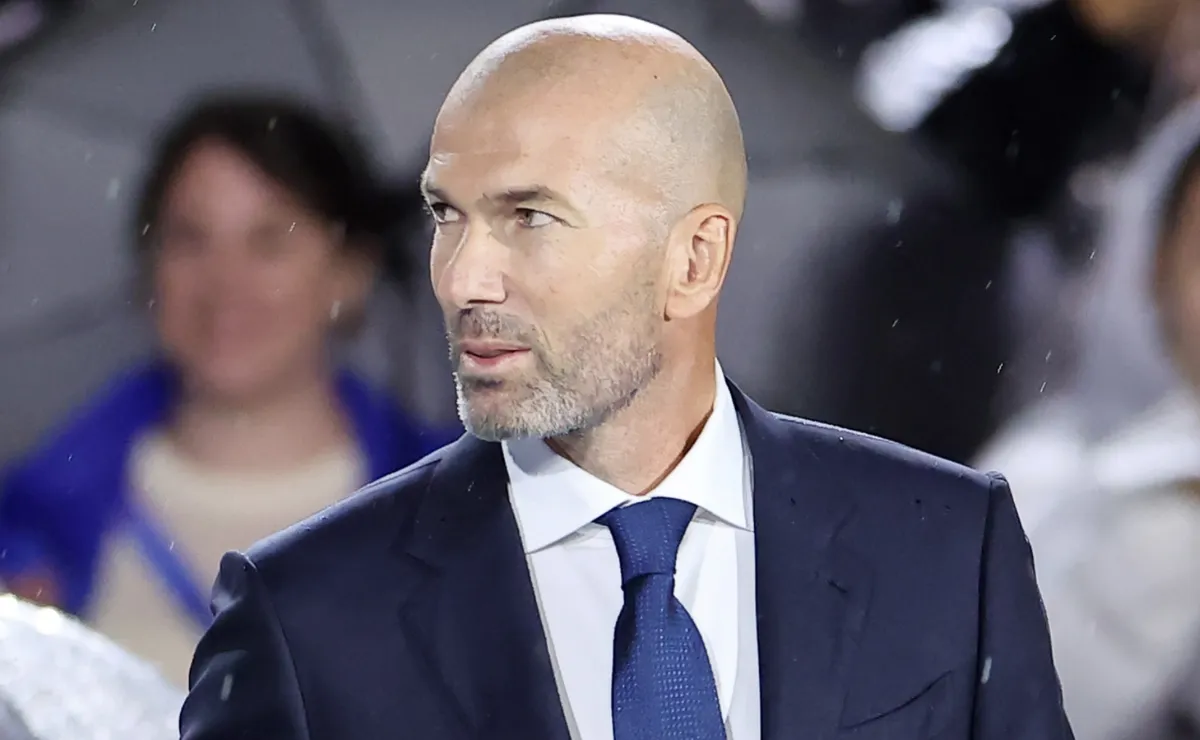
Zinedine Zidane’s next move appears to be taking shape, and the implications stretch far beyond the technical area. Rather than returning to Real Madrid, where his name has long hovered over coaching conversations, the former star is reportedly positioned to take charge of France after the 2026 World Cup.
Reports cited by ESPN indicate that Didier Deschamps is expected to step down after the tournament, clearing the way for the French Football Federation to install Zidane through a verbal agreement. If finalized, the decision would give France one of the most recognizable figures in world soccer at a time when national teams are increasingly judged not only by results, but by commercial reach and global relevance.
For the federation, the appointment would be a high-profile gamble with a potentially enormous payoff. Zidane carries elite credibility, instant name recognition, and deep emotional value in French soccer, but he would also be entering his first national-team role. That makes the move both a sporting risk and a branding strategy: the upside is substantial, but so is the pressure to turn legacy into performance.
The timing is significant. Deschamps is set to leave behind one of the most successful eras in French history, anchored by the 2018 World Cup title and the 2020-21 UEFA Nations League. Even so, the team has often been criticized for relying on individual talent without always establishing a fully defined identity.
That criticism has created room for a reset. France’s current core features elite names such as Kylian Mbappé, Ousmane Dembélé, and Michael Olise, yet the squad has sometimes looked more like a collection of stars than a fully integrated system. Zidane’s reputation for managing egos and simplifying high-pressure environments could make him the federation’s preferred answer to that problem.
A commercial decision as much as a football one
From a business standpoint, Zidane’s arrival would be a major asset for France. National teams now compete not only for trophies, but also for attention, sponsor appeal, and broadcast value. Few coaches in soccer can generate immediate visibility the way Zidane can.
His appointment would likely strengthen France’s position across media rights, merchandising, and sponsor activations. It would also help the federation market the national team as a premium global property, especially heading into a World Cup cycle where narrative, identity, and star power can shape audience growth.
For Real Madrid, the development would remove one of the most natural succession options in modern soccer. Zidane’s name has long been part of the club’s managerial conversation during periods of instability, and a firm commitment to France would force Madrid to move faster on its long-term coaching pipeline.
On the field, Zidane’s profile fits the demands of tournament soccer. He has never been associated with a rigid possession-heavy ideology, but he has consistently shown an ability to adapt, rotate, and maximize elite talent. That flexibility matters in international football, where short preparation windows reward clarity, trust, and simplicity.
In business terms, this is more than a coaching hire. It is a succession decision, a branding statement, and a strategic bet on the commercial power of legacy. France appears ready to trade continuity for star power, and that choice could influence how top federations approach leadership in the modern game.
Why It Matters
Zinedine Zidane’s expected path to the France national team after the 2026 World Cup is more than a coaching storyline — it is a signal that elite federations now treat managerial appointments as brand strategy. The move would give France a globally marketable figurehead while forcing Real Madrid to rethink its succession planning.
Content Package
Report: Zinedine Zidane could be set to take over France after the 2026 World Cup as Didier Deschamps is expected to step down. Beyond the coaching buzz, this is a major leadership and branding move for French soccer—could it be the reset France needs after years of star-driven play? ⚽️🇫🇷
#Zidane#FranceNationalTeam#WorldCup2026
Zidane to France?! 🚨 Reports say Didier Deschamps may step down after the 2026 World Cup, and France could appoint Zinedine Zidane next. This isn’t just a coaching change—it’s a power shift. National teams are now competing like global brands, and Zidane’s name brings instant worldwide attention. But here’s the pressure: Zidane’s first national-team role means turning star talent into a consistent system. What do you think—smart reset for France, or too much branding, not enough structure? Comment your take! 🇫🇷⚽️
#Zidane#FranceNationalTeam#WorldCup2026
Zidane to coach France after the 2026 World Cup? 🇫🇷🚨 Reports say Deschamps is expected to step down, and the French FA could install Zidane through a verbal agreement. Why it’s a big deal: this is a leadership move with serious business impact. National teams aren’t just judged on tactics anymore—they’re marketed like global products. Zidane delivers instant credibility and worldwide attention. On the pitch, the challenge is huge: France has elite talent, but at times looked like a collection of stars rather than a clear, repeatable identity. If Zidane can simplify the pressure and build a system, it could be a perfect reset. If not… the expectations will be massive. Do you think Zidane is the right fit for international football? Yes or no?
#Zidane#FranceNationalTeam#WorldCup2026
Zidane to France after 2026? If true, it’s a football hire with massive business upside—brand lift, sponsor appeal, and global media value—while forcing Real Madrid to rethink its coaching pipeline. Big gamble, big payoff.
#Zidane#FranceNationalTeam#WorldCup2026
Reports (via ESPN) suggest Zinedine Zidane could be appointed France head coach after the 2026 World Cup, following Didier Deschamps’ expected departure. If the French Football Federation finalizes a verbal agreement, this wouldn’t just be a sporting decision—it’s a leadership and commercial strategy with European soccer-wide implications. Why it matters: national teams are now evaluated on more than outcomes. They’re judged by global reach, narrative strength, broadcast value, and sponsor appeal. Zidane—instantly recognizable, emotionally resonant in France, and globally marketable—brings a rare combination of credibility and attention. The trade-off is clear. This would be Zidane’s first national-team role, meaning the risk isn’t only tactical execution, but also translating legacy into a cohesive identity. France’s recent criticism has often centered on a squad that can look like a collection of elite individuals rather than a fully integrated system. Zidane’s reputation for managing high-pressure environments and simplifying decision-making could be the reset the federation is looking for. From a business standpoint, the upside is substantial: - Stronger commercial positioning during the World Cup cycle - Enhanced merchandising and sponsor activation potential - Improved media rights leverage through star power and global storytelling There’s also a ripple effect for club football. With Zidane off the table, Real Madrid loses one of the most obvious succession narratives, potentially accelerating how the club structures its long-term managerial pipeline. Bottom line: if France chooses Zidane, it signals a broader trend in elite soccer leadership—federations increasingly trade continuity for a high-impact blend of performance potential and commercial gravity. The question will be whether Zidane can convert branding momentum into on-field identity before the tournament pressure peaks.
#Zidane#FranceNationalTeam#WorldCup2026
Zidane-to-France after 2026?! 🇫🇷⚽️ A coaching move—or a full-on business play for global dominance? Legacy + star power could reshape France’s World Cup cycle. Thoughts? #Zidane #France #WorldCup2026 #FootballBusiness #SoccerMarketing #UEFA #Mbappe #Deschamps #SportsLeadership
#Zidane#FranceNationalTeam#WorldCup2026
Could Zidane be the next man to lead France after the 2026 World Cup? ESPN reports Didier Deschamps is expected to step down, potentially clearing the way for the French Football Federation to appoint Zidane. It’s a high-pressure gamble—sporting risk, but also major commercial upside as national teams increasingly compete for global attention, sponsors, and media value.
#Zidane#FranceNationalTeam#WorldCup2026
Zidane to France after the 2026 World Cup?! 🇫🇷⚽️ Reports say Deschamps is set to step down, and the federation could bring in Zidane through a verbal agreement. Here’s why it’s bigger than football: national teams are now judged by trophies *and* global brand power—media rights, sponsors, and worldwide attention. Zidane brings instant credibility and name recognition, plus he’s known for managing egos and simplifying under pressure. But the risk? This would be his first national-team job—turning a superstar roster into a clear, unified identity. If it happens, it could also force Real Madrid to move faster on its coaching succession plan. What do you think—smart reset or too much pressure too soon?
#Zidane#FranceNationalTeam#WorldCup2026
Zidane to France after 2026?! Here’s the business angle everyone’s missing. 🇫🇷⚽️ ESPN reports Deschamps is expected to step down after the World Cup, and France could install Zidane via a verbal agreement. This isn’t just a coaching hire. National teams today compete like brands—broadcast value, sponsor appeal, merchandising, and global reach. Zidane brings instant recognition and emotional connection in France, plus proven ability to adapt with elite talent. The big challenge: it’s his first national-team role, and France has sometimes looked like a group of stars rather than one system. If France chooses Zidane, it signals a new leadership model in European soccer: trade some continuity for star power and commercial momentum. Would you bet on Zidane to deliver results—or is the pressure too high?
#Zidane#FranceNationalTeam#WorldCup2026
Zinedine Zidane reportedly lined up to take over France after the 2026 World Cup. It’s a sporting reset—and a major branding power shift in European soccer leadership. What does it mean for Deschamps’ legacy?
#Zidane#FranceNationalTeam#WorldCup2026
Zinedine Zidane’s reported alignment to take over France after the 2026 World Cup is more than a coaching storyline—it’s a signal of how European soccer leadership is evolving. According to reports cited by ESPN, Didier Deschamps is expected to step down following the tournament, potentially opening the door for the French Football Federation to appoint Zidane via a verbal agreement. If it happens, France would be choosing a globally recognizable leader at a moment when national teams are increasingly evaluated not only by tactical identity, but also by commercial impact and global brand value. Why this matters (sport + business) 1) Succession planning with instant global reach Zidane brings elite credibility, immediate name recognition, and deep emotional capital in French football. In today’s game, that kind of visibility can strengthen broadcast appeal, sponsorship conversations, and narrative momentum—especially during World Cup cycles when attention and audience growth accelerate. 2) A reset after a historic era Deschamps leaves behind one of the most successful periods in French history (2018 World Cup, plus the 2020–21 UEFA Nations League). Yet there has also been criticism that France sometimes relied too heavily on individual talent rather than a repeatable, system-based identity. Zidane’s profile suggests he could help “simplify the environment” and manage high-pressure squads—an advantage when the roster includes elite stars like Kylian Mbappé, Ousmane Dembélé, and Michael Olise. 3) Leadership as a strategic brand statement This appointment looks like a bet that legacy and star power can be converted into sustained performance. The risk is equally real: Zidane’s first national-team role would come with enormous expectations to translate marquee status into a coherent, repeatable playing model. 4) Real Madrid’s pipeline implications If Zidane is committed to France, it removes a natural succession option for Real Madrid. The club will likely need to accelerate its managerial planning and revisit its longer-term coaching pipeline. Bottom line France appears ready to trade continuity for global star leadership. If Zidane takes the job, it could reinforce a new pattern in elite football: the federation that wins isn’t just the one with the best tactics—it’s also the one that can package credibility, narrative, and commercial relevance into a clear leadership strategy. What do you think: is Zidane the right tactical fit for international football, or is this primarily a high-stakes branding play?
#Zidane#FranceNationalTeam#WorldCup2026
Zidane to France after 2026? 🚨 A power shift in European leadership—elite credibility + global star power. Can he turn individual talent into a repeatable identity? 🇫🇷⚽️ #Zidane #FranceNT #WorldCup2026 #FootballBusiness #EuropeanFootball #Mbappe #Deschamps #UEFA #Soccer
#Zidane#FranceNationalTeam#WorldCup2026