
NIL & College Sports
Name, Image, and Likeness deals, transfer portal dynamics, and the transformation of collegiate athletics.
54 articles

NCAA’s Trademark Setback Against DraftKings Exposes the Business Battle for March Madness
A federal judge’s decision to deny the NCAA’s emergency request against DraftKings gives the sportsbook room to keep using March Madness-related terms in promotions while the case moves forward. The ruling underscores how valuable tournament trademarks have become in the fight to control attention, betting activity, and commercial rights around college basketball’s biggest brand.

Revenue Sharing Was Meant to Rein In College Sports Spending. It May Be Fueling a New Arms Race Instead.
College athletics entered the revenue-sharing era with a promise of financial discipline, but the early evidence suggests the new system is not containing costs so much as reshaping how schools spend. As programs layer sponsorships, rights deals and donor-backed support on top of the cap, the biggest brands appear positioned to widen the gap even further.

Nate Ament’s NIL blueprint shows how elite college basketball prospects are becoming pro-ready businesses
Nate Ament’s rise at Tennessee is highlighting a bigger shift in college basketball: top prospects are no longer just building résumés on the court, but commercial platforms designed to scale into the pros. His NIL approach underscores how trust, structure and brand alignment are now core parts of athlete development. With a seven-figure valuation and a major brand partnership already in place, Ament represents the new model for elite players whose earning power begins long before the NBA draft.

Tuberville’s NIL Bill Targets Transfer Chaos as College Sports Searches for Cost Control
A new college sports bill from Alabama Sen. Tommy Tuberville would cap eligibility at five consecutive years for five seasons of play and limit athletes to one penalty-free transfer. The proposal is being framed as a fix for the transfer portal and NIL volatility, but it also signals a broader push to rein in player movement and stabilize roster economics.

Fairfield and Fordham Expose the New Business Model for College Athletics
At the 2025 NACDA Convention, Fairfield and Fordham underscored a major shift in college athletics: survival now depends on operating like a disciplined business, not just a competitive program. In a market shaped by financial strain, staffing pressure, and compliance complexity, structure, process, and leadership are becoming the real sources of competitive advantage.
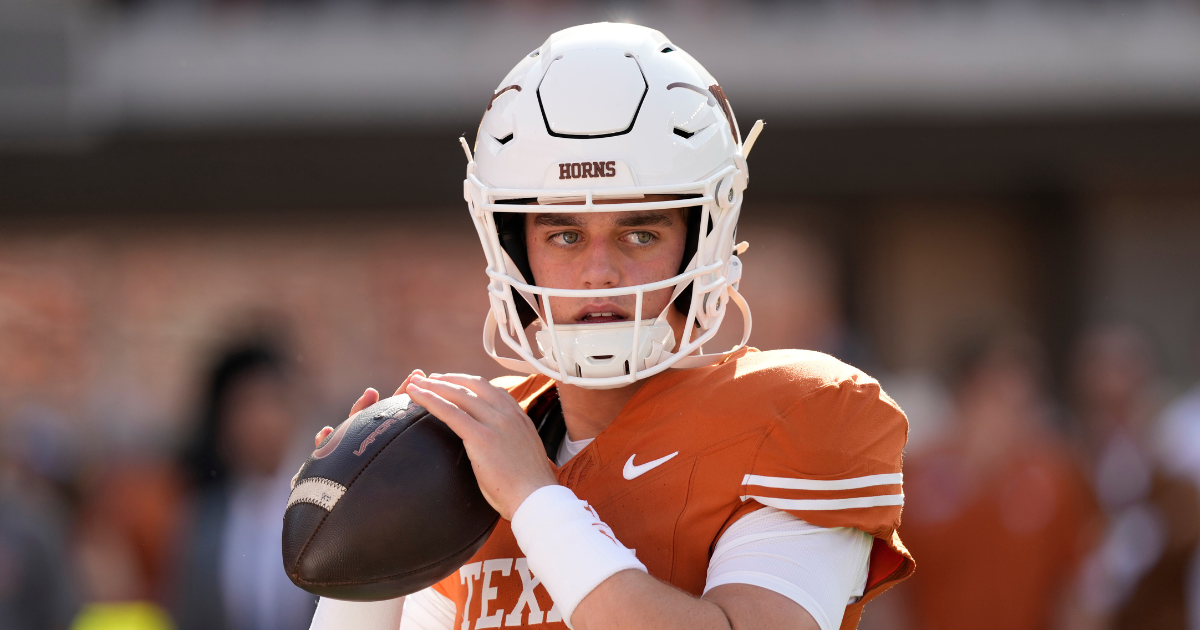
Arch Manning’s Google Gemini NIL Deal Shows College Quarterbacks Are Becoming Premium Media Assets
Arch Manning’s latest NIL partnership with Google Gemini is more than another endorsement; it underscores how elite college quarterbacks are being valued as high-trust media properties in a rapidly evolving sponsorship market. The deal highlights a broader shift in NIL, where brands are buying cultural relevance, digital-native reach, and long-term equity—not just athlete visibility.

Otega Oweh’s buzzer-beater reveals March Madness’ new role as an NIL revenue machine
Otega Oweh’s dramatic first-round performance for Kentucky was more than a tournament-saving moment; it was a live demonstration of how quickly March Madness can be monetized in the NIL era. The shot, the visibility and the timing created immediate commercial momentum, showing how elite postseason plays now function as brand-ready assets.

Ticket Fee Transparency Is Forcing College Athletics to Rethink Revenue Strategy
New federal rules on fee disclosure are pressuring college athletics to rethink how ticket revenue is built, priced, and communicated. What was once a hidden margin lever is becoming a visible part of the fan experience, forcing schools to balance compliance, trust, and profitability. The shift may also create a competitive advantage for programs that use transparency to sharpen pricing strategy and improve conversion.

How UAB Turned Core Values Into a Growth Strategy
UAB Athletics is using a values-driven framework to reposition itself as a strategic asset rather than just a sports department. By tying championships, academic success and community impact together, the program is strengthening its case for investment, support and long-term relevance.

How the Patriot League Is Turning Consensus Into a Competitive Advantage
Conference leadership is evolving into a high-stakes business of alignment, trust and strategic visibility. The Patriot League’s approach underscores how modern commissioners must manage relationships, culture and public perception while still driving institutional progress.

How Fairfield and Fordham Are Rebuilding Athletics Around Culture, Hiring and Mission
Fairfield and Fordham athletics leaders are showing how modern departmental success is increasingly built on more than wins and losses. At the 2025 NACDA Convention, the conversation centered on culture, hiring, process and institutional alignment as the real drivers of competitive and operational advantage.

Great Clips Uses March Madness NIL Deals to Build a Tournament-Driven Marketing Engine
Great Clips is turning March Madness into more than a sponsorship moment, using NIL partnerships with UConn’s Alex Karaban, Purdue’s Braden Smith and UCLA’s Gabriela Jaquez to drive a broader consumer marketing strategy. The campaign blends athlete endorsements, broadcast-style creative and retail offers to convert tournament visibility into measurable business results.